
Last updated November 16, 2026
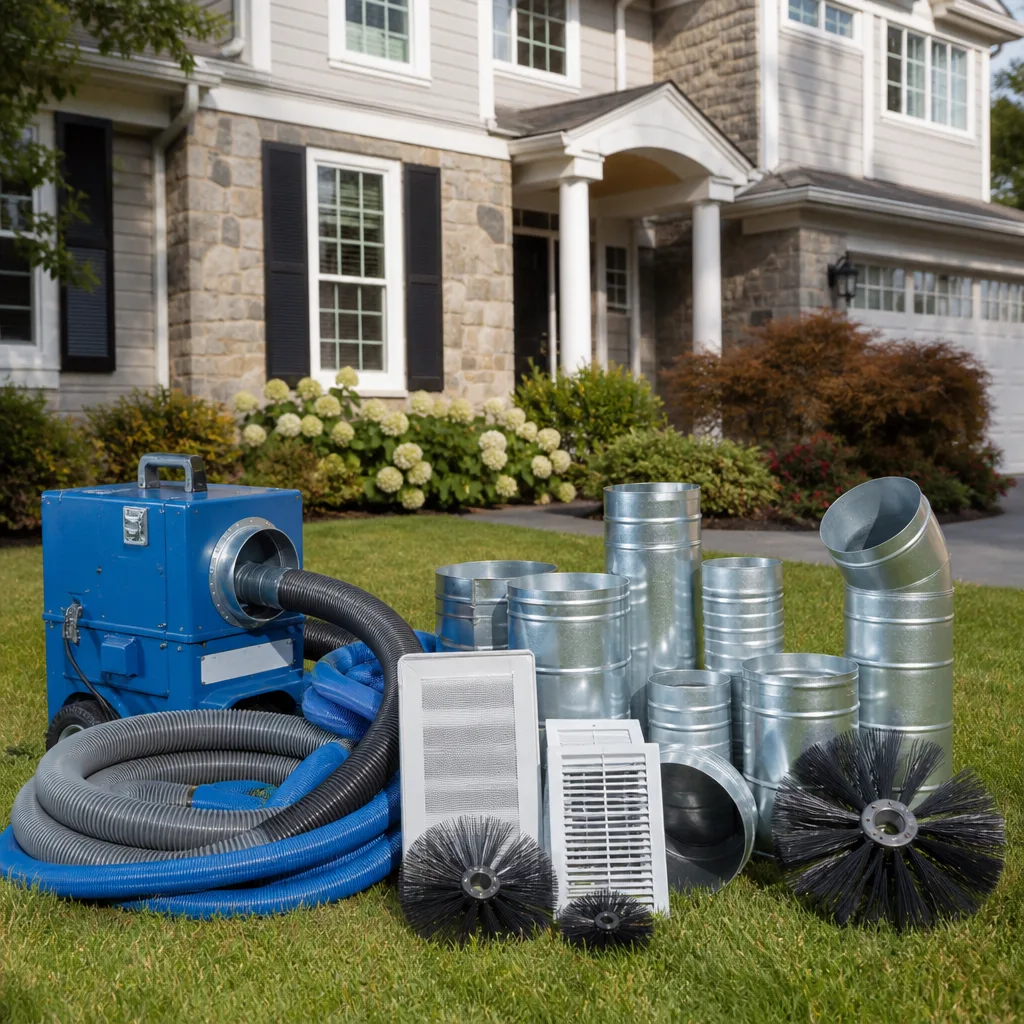 Whole-home duct cleaning
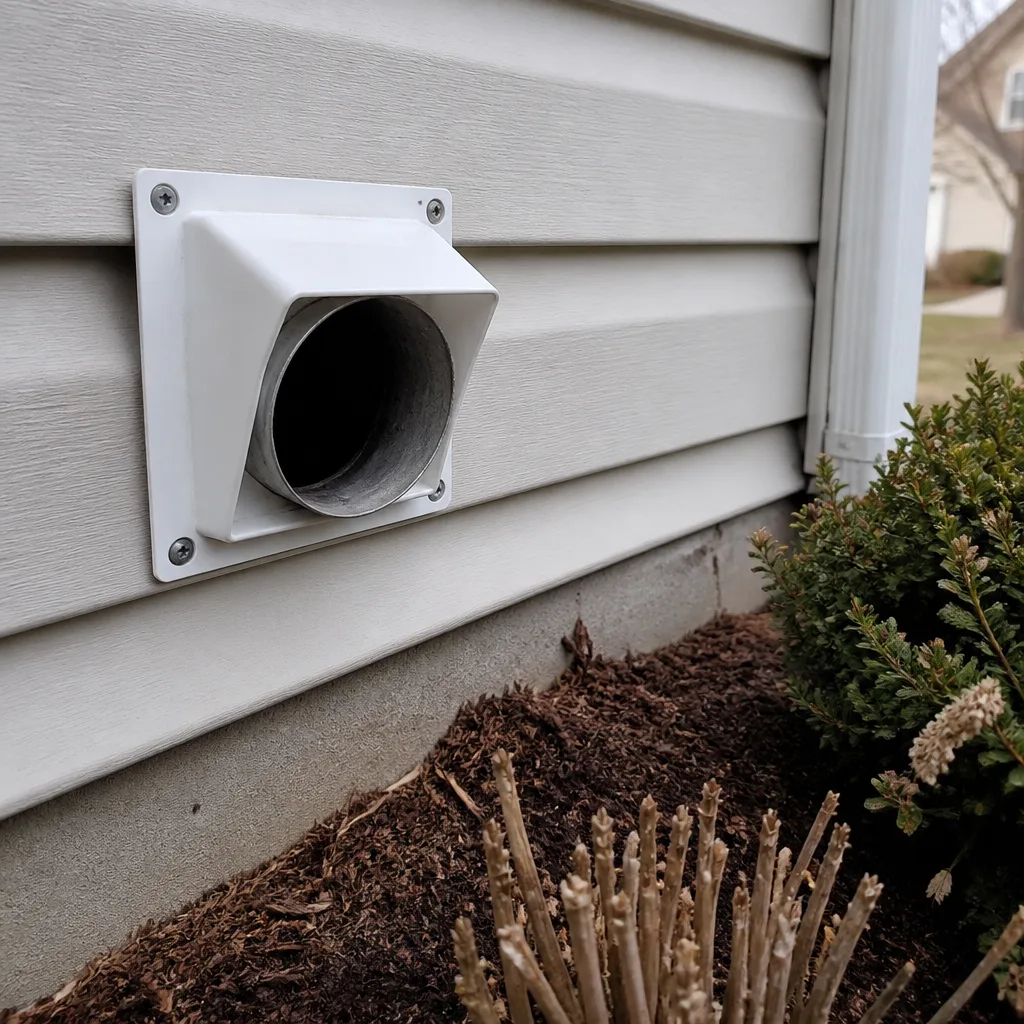 Dryer vent cleaning
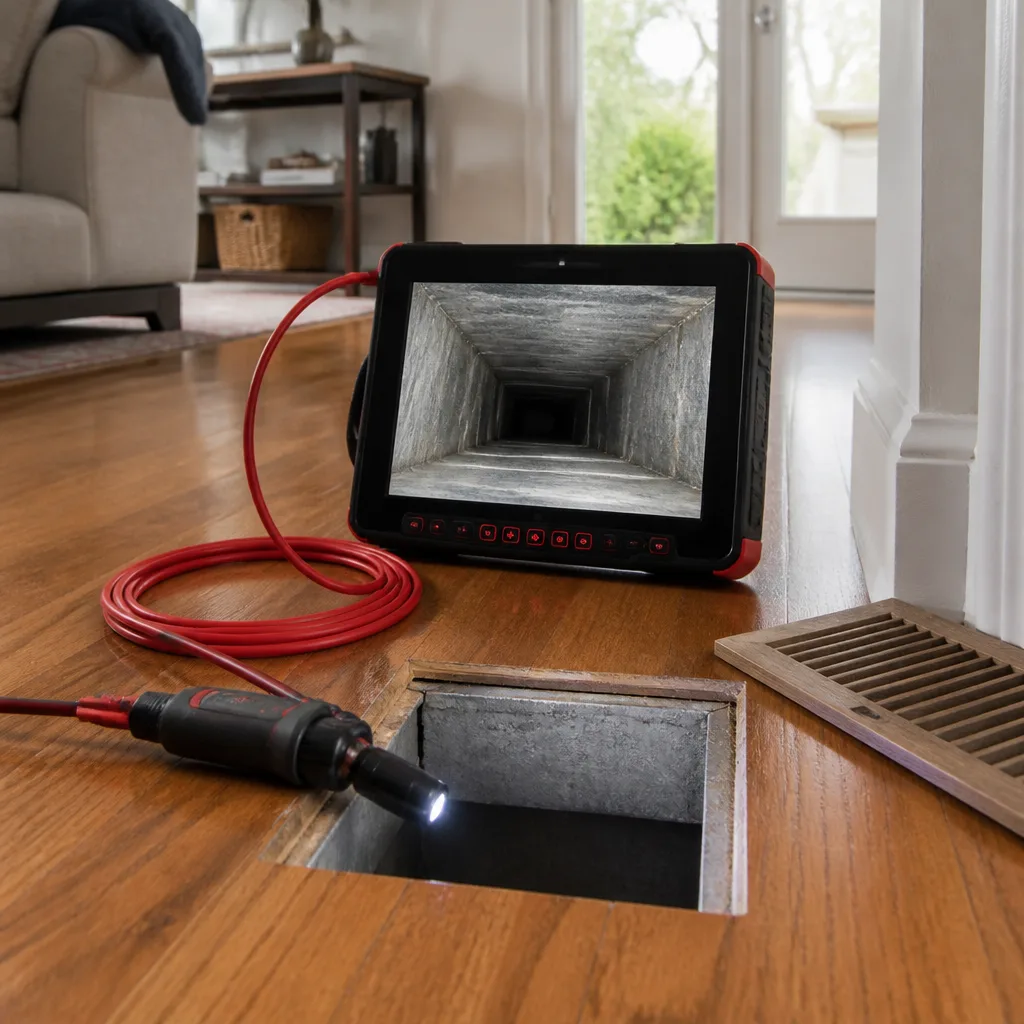 Camera inspection
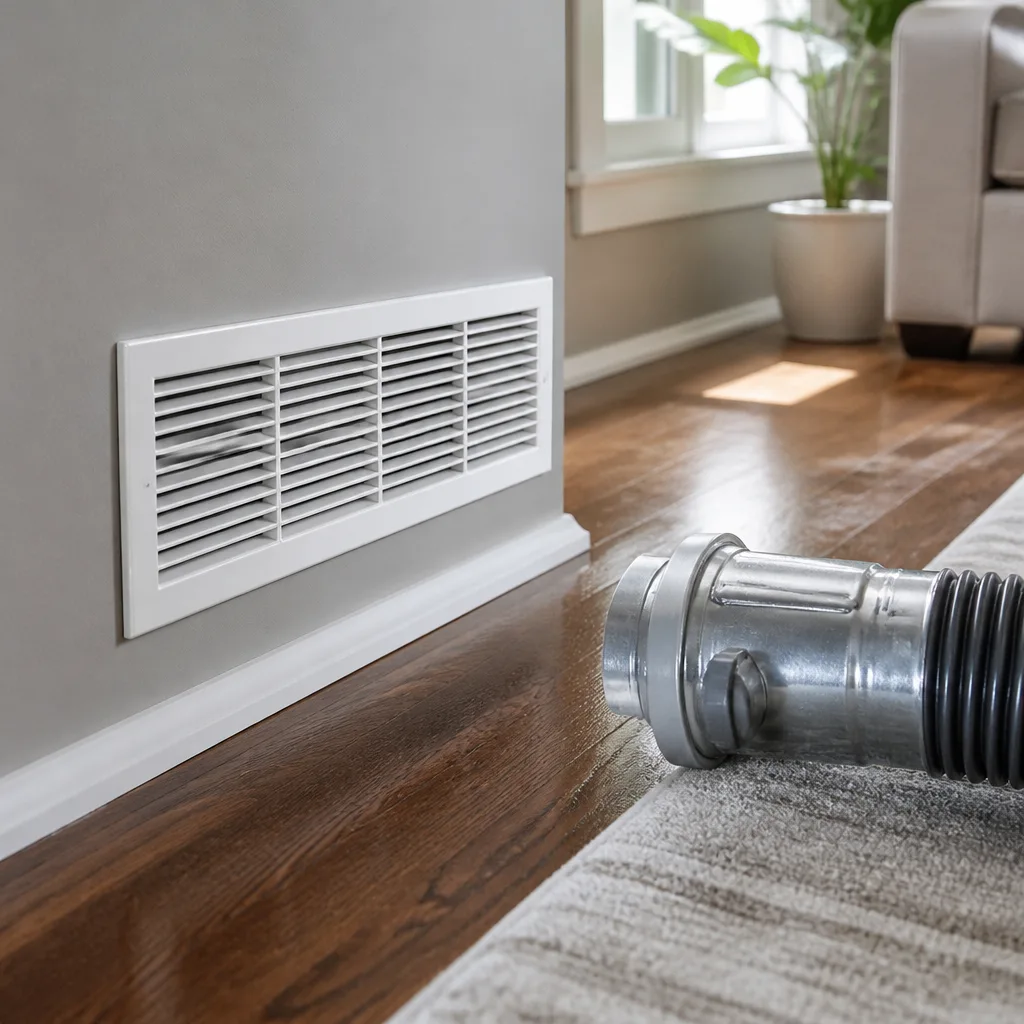 Sanitizing & deodorizing
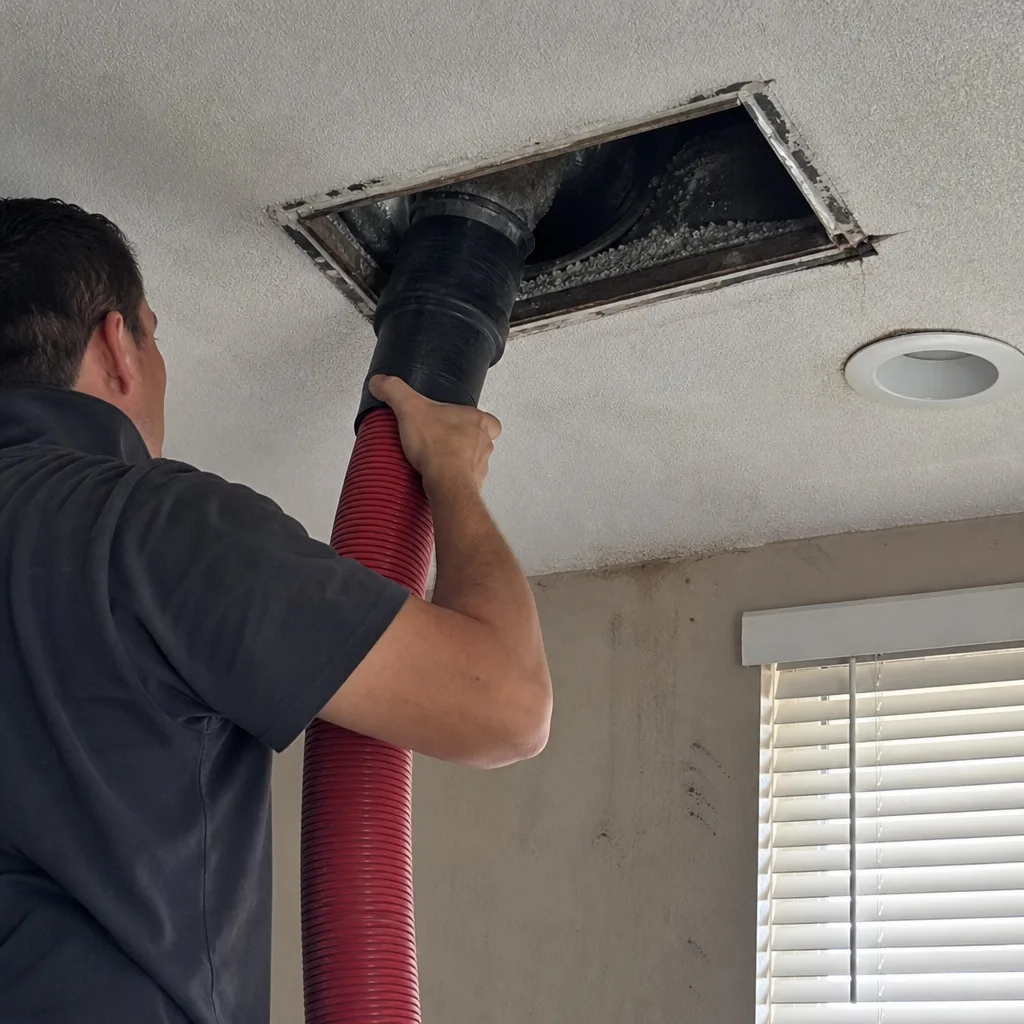
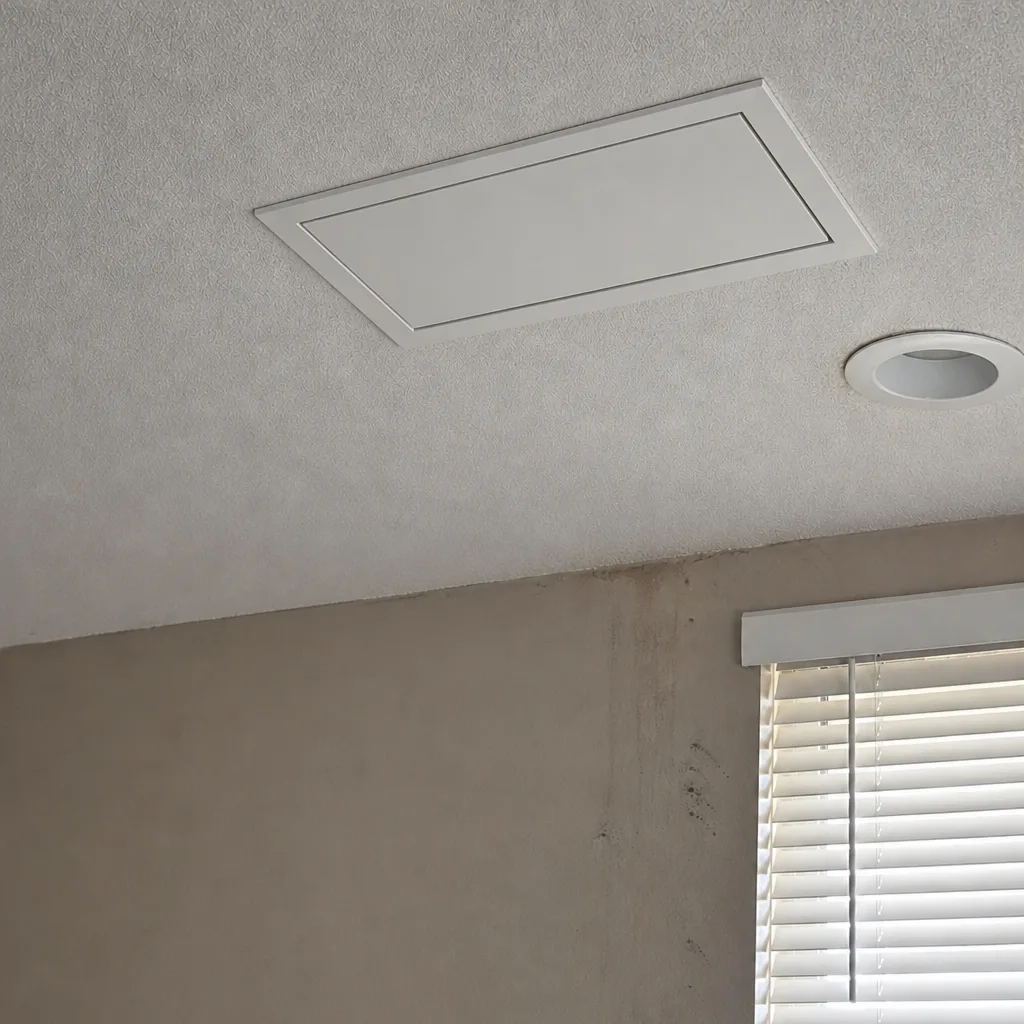
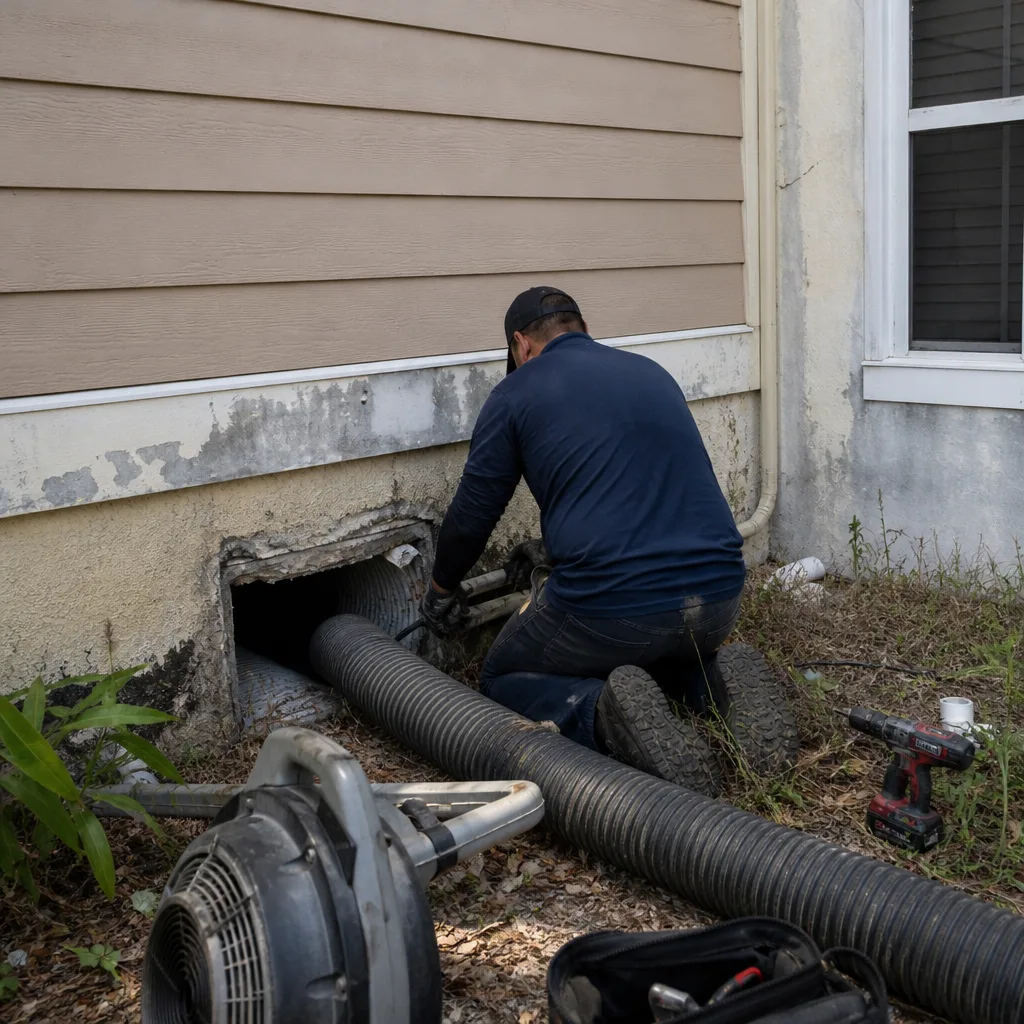
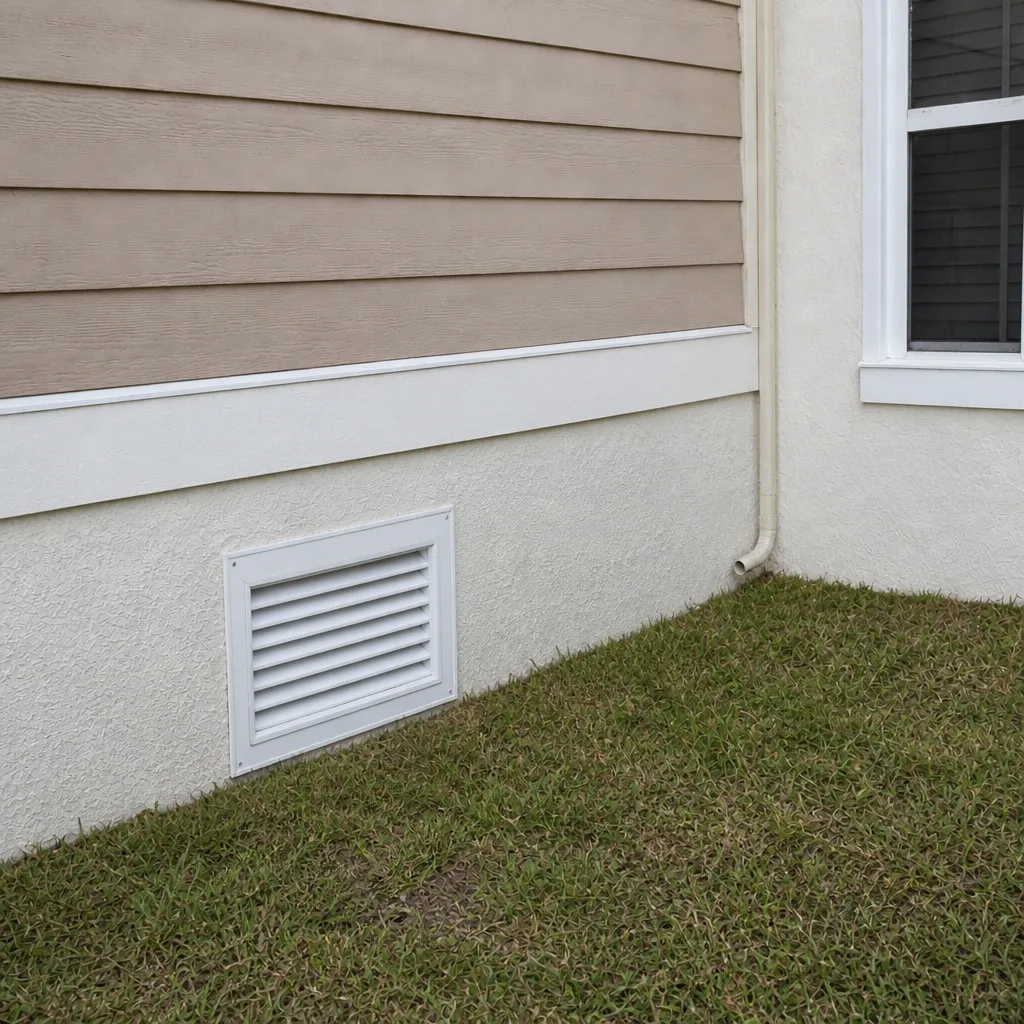
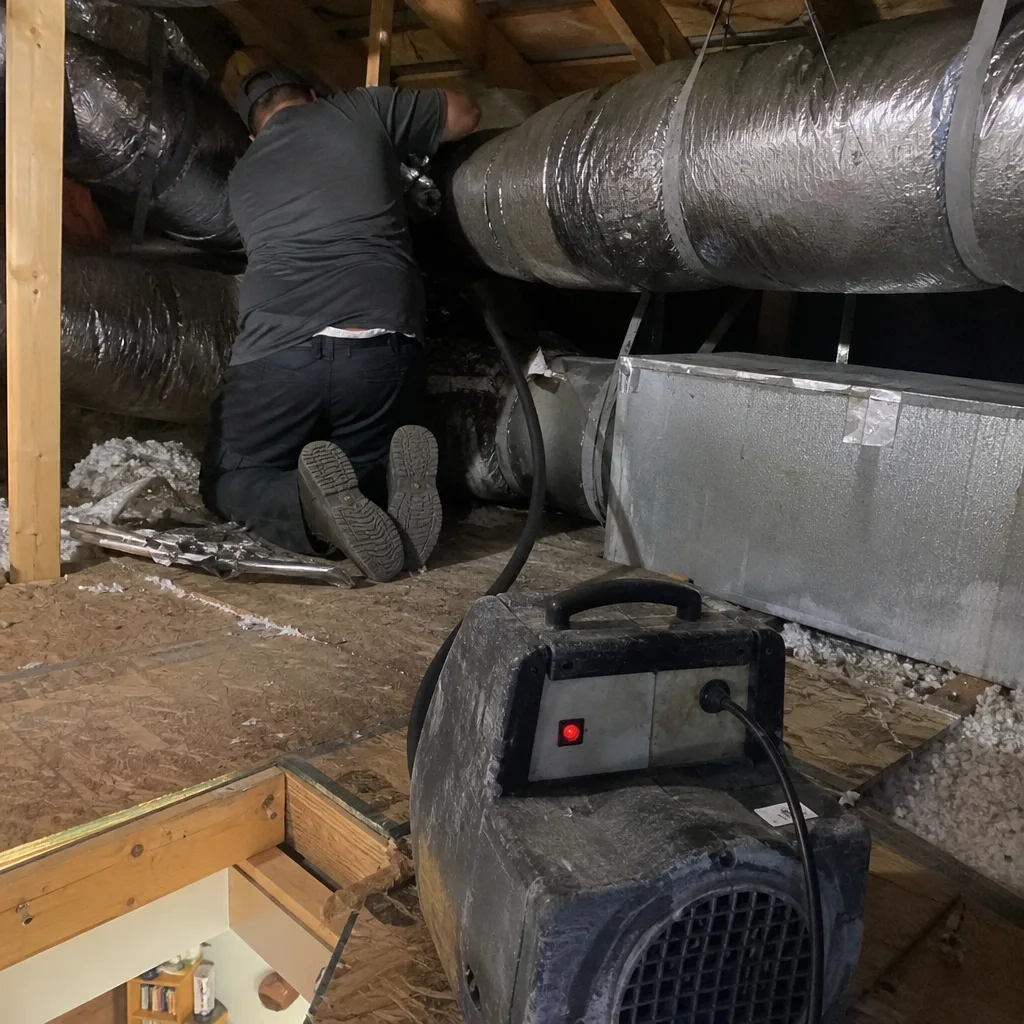
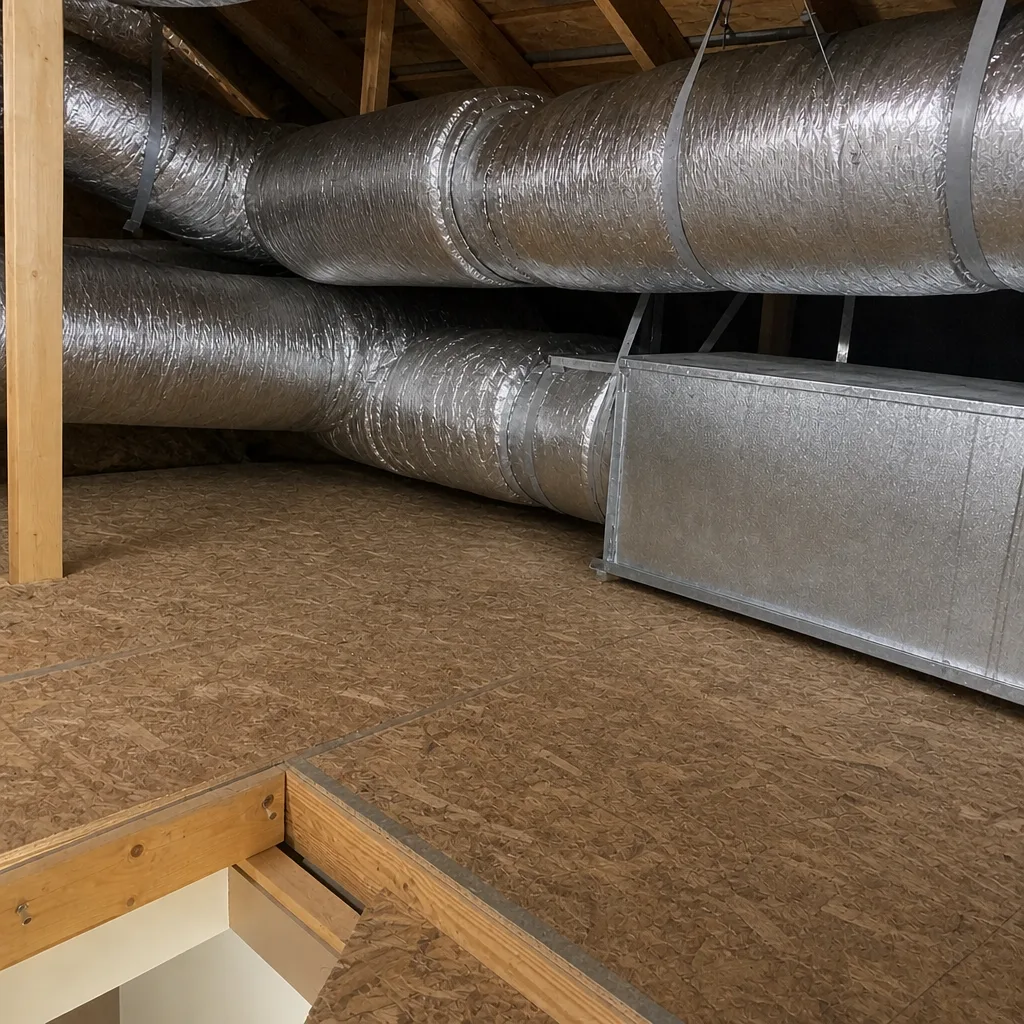
Whole-system duct and dryer vent check with before-and-after photos - you see exactly what came out of your vents
That "$99 whole-house special" is a bait ad - the real number appears once they are in your hallway, or the "clean" is a shop-vac at the register. We photograph the inside of your ducts before and after instead.
Seasonal Air Duct Cleaning Care for Deltona: Year-Round Homeowner’s Guide
Most air duct advice you’ll find online was written for homes that heat hard all winter and rest all summer. Deltona is the opposite. Here, the air handler runs for the better part of the year, and the seasons that matter most for your ductwork are the wet ones, not the cold ones. That flips the usual calendar on its head. Instead of winterizing, the real work in Deltona is managing moisture through the humid months and catching the debris surge that follows a cold front. This guide walks through what to check, measure, and schedule month by month, so your duct system stays clean and efficient through every season Deltona throws at it.
Quick Answer
Seasonal air duct cleaning in Deltona works on a different rhythm than northern guides suggest: your system runs near-continuously for 8 to 9 months, so you should inspect before the wet season (April to May), maintain through it (July to August), assess debris after storm fronts (October), and schedule a full-system cleaning in the dry season (November to February), when low humidity makes the job cleaner and results easier to verify. Track your filter load intervals and let the data, not the calendar, set your deep-clean timing.
Styles & brands we work with
- Whole-home duct cleaning
- Dryer vent cleaning
- Camera inspection
- Sanitizing & deodorizing
Table of Contents
- Why Duct Care in Deltona Is Different From Northern Guides
- Pre-Wet Season (April – May): What to Inspect and Measure
- Mid-Wet Season (July – August): Filters, Condensate, and Coil Signs
- The Post-Storm Window (October): Assessing Debris Infiltration
- Dry Season (November – February): The Optimal Cleaning Window
- The Year-Round Filter Log: A Data-Driven Cleaning Trigger
- Your Dryer Vent Runs on the Same Calendar
- Common Mistakes to Avoid
- When to Call a Professional
- Frequently Asked Questions
Why Duct Care in Deltona Is Different From Northern Guides
Florida homeowners run their air conditioning far more than the national average, and in Deltona the cooling season stretches from roughly March into November. When your air handler is moving conditioned air for 8 to 9 months straight, contaminants accumulate inside the duct system at a faster rate than a northern home that only sees heavy air movement in summer. The standard national guidance of cleaning every 3 to 5 years assumes a moderate duty cycle. In Deltona, that interval is often too generous.
The bigger variable isn’t heat; it’s moisture. Deltona’s wet season loads the air with humidity, and any system with a small leak, a poorly sealed return, or a wet coil can push that humidity into the duct liner where it becomes a growth surface. Snow and ice never touch this part of Florida, so you can ignore the freeze-and-thaw advice you’ll find in northern guides. What matters here is condensation, biological growth, and the debris that blows in after a cold front.
That’s the lens we bring as a specialist: full-system duct work, not a surface wipe-down. We use professional-grade Rotobrush and Nikro equipment, the same systems trusted in commercial and remediation environments, because effective cleaning of a long-running Florida system requires more than a shop vacuum and a brush on a rod.
Here’s what the seasonal picture looks like in Deltona:
- April – May: Pre-wet-season inspection, sealing, and measurement.
- July – August: Mid-season filter and condensate checks.
- October: Post-front debris assessment.
- November – February: Dry-season deep clean and repair window.
- Year-round: Filter load tracking to set your cleaning trigger.
Deltona’s housing mix plays a role too. Older neighborhoods with original ductwork or flexible duct runs can develop small tears at joints that let humid air bleed in. Newer builds aren’t automatically safe either; poor initial sealing is a common source of debris and air loss. In either case, inspection comes before cleaning, because the two work together.
Pre-Wet Season (April – May): What to Inspect and Measure
The most valuable thing you can do for your ducts in Deltona happens before the humid months arrive. In April and May, the goal is to find and fix the small vulnerabilities that moisture will exploit once the rains move in. Think of it as a pre-flight check. By the time the wet season is in full swing, you want the system sealed, tight, and measurable.
Inspection at this stage looks at a few specific things:
- Seal integrity. Check all accessible duct joints, return plenums, and the connection at the air handler for gaps, loose tape, or failing mastic. Humid Deltona air finds every gap.
- Duct liner condition. Look for damp patches, sagging, or discoloration inside insulated flex duct. If the liner is holding moisture, it’s a candidate for air duct repair before the wet season worsens it.
- Return grille fit. A loose return grille is a direct pathway for unfiltered air into your system.
- Airflow measurement. A simple static pressure reading at the air handler tells you whether the system is moving air as designed. High static pressure can signal a partially blocked or restricted duct.
- Filter housing condition. Check that the filter frame sits flush and the slot holds the filter snugly.
Before you begin any inspection inside the ductwork or air handler, turn the system off at the thermostat and the breaker. Electrical components inside the air handler are not a homeowner project. If you find a damaged electrical connection or the coil is clearly dirty, that’s a job for a trained technician. We inspect the duct side and can repair duct problems, but electrical work and coil cleaning belong with the right professional.
April and May in Deltona also carry pollen and early spring particulate. That means your filter is doing real work heading into the wet season. A pre-wet-season filter change on a slightly tighter schedule helps carry you into July with less load on the system.
If your inspection turns up damaged ductwork, that’s where a repair specialist beats a cleaning-only crew. We’re a full-system duct specialist, so cleaning, repair, and air quality recommendations come from the same place. One call covers your whole duct system.
Mid-Wet Season (July – August): Filters, Condensate, and Coil Signs
July and August are peak humidity in Deltona. The wet season is fully on, the air conditioner runs almost continuously, and two things demand attention: filter performance and condensate management. This is where a lot of duct problems either start or get caught early.
Filter upgrade timing
Mid-wet-season is a reasonable time to move to a higher MERV-rated filter if your system can handle the resistance. Note the phrase “if your system can handle.” A filter with a higher MERV rating captures finer particles, including mold spores and fine dust, but it also adds static pressure. On a system with marginal ductwork, a too-restrictive filter can cut airflow. We work with Aprilaire filtration products, and part of getting it right is matching the filter to what your system is actually designed to move.
Condensate drain checks
Your air conditioner removes moisture in the form of condensation, and that water leaves through a drain line. In peak wet season, a partially clogged condensate drain can back up into the air handler, pushing moisture into places it shouldn’t be. Check that your drain pan is dry and the line is flowing. If you see standing water, stop and call a technician. This one is a genuine risk to your home, not just to your ducts.
Signs the coil is contributing particulate
A dirty evaporator coil can become a source of particulate and moisture that feeds into the duct system downstream. Watch for:
- Reduced airflow at registers despite a clean filter;
- A musty smell when the system starts;
- Visible grime on the face of the coil (if you can safely see it);
- Water pooling or damp insulation near the air handler.
Coil cleaning itself is HVAC work outside the three services we focus on, so we’ll tell you honestly if that’s what you need. What we can do is clean and repair the duct system that coil feeds, and recommend air quality equipment that supports the whole system.
For most Deltona homes, the mid-season check is quick. Filters changed, drain verified, coil eyeballed from a safe distance, and any suspect smell noted for follow-up. That short routine heads off a lot of bigger problems.
The Post-Storm Window (October): Assessing Debris Infiltration
October in Deltona marks a shift. The wet season winds down, cold fronts start pushing through, and the air gets drier and gustier. Storms and wind events are the season’s real duct threat here, and they have a specific signature: debris entering through unsealed return grilles and any gaps the pre-season inspection didn’t catch.
After a significant weather system, the question isn’t whether debris moved; it’s how much got in and whether it reached the conditioned air stream. Here’s how to think about it:
- Check your return grilles first. Loose-fitting or poorly sealed return grilles are the most common entry point. Look for dust, leaf fragments, or fine debris gathered at the grille edge.
- Look at the filter. A filter that loaded up noticeably faster than normal is a strong signal that extra debris entered the return side.
- Note any new smell. A musty or earthy smell after a storm often points to moisture intrusion, not just debris.
- Check for visible dust streaks. Dust trails near supply registers or duct joints suggest either infiltration or seal failure.
- Assess rather than panic. A small amount of exterior debris caught at the filter isn’t a crisis. Debris that reaches the ducts beyond the filter is worth a professional inspection.
The key is honest assessment. We don’t do scare tactics, and we won’t tell you your ducts are filthy just to book a cleaning. What we will do is inspect, show you what we find, and let the condition of the system drive the recommendation. If the October assessment shows debris infiltrated past the filter, that’s exactly the sort of finding that justifies the dry-season deep clean covered below.
Cold fronts also bring the season’s driest, cleanest air. Running a post-front inspection in comfortable October weather is practical and pleasant. It’s a good moment to schedule an inspection before the busy dry-season window fills.
Dry Season (November – February): The Optimal Cleaning Window
If you clean your ducts once a year in Deltona, the dry season is when it should happen. From November through February, humidity is low, windows stay closed, and the system can be cleaned and verified under conditions that make results easier to confirm. It’s the cleanest window of the year for a deep clean.
A thorough full-system cleaning in Deltona should include:
- Whole-system coverage, not just the visible runs. Supply and return, trunk and branches, and the plenum connections at the air handler.
- Mechanical agitation plus negative pressure. Professional equipment like Rotobrush uses rotating brushes to loosen debris while a high-capacity vacuum pulls it out. A shop vacuum and a wand on the visible duct is not cleaning the system.
- Containment and filtration. Systems like Abatement Technologies air filtration units help contain dust during the job and filter the air moving through the work area.
- Inspection findings and repair. If the technician finds damaged duct, loose joints, or torn flex duct, a cleaning-focused company stops. We don’t just clean what we find; we can fix it.
- Before-and-after evidence. Photos of your system before and after cleaning let you see what changed.
Dry-season air also dries duct liner material that held moisture during the wet months. Cleaning in this window means less residual moisture, which means a better starting condition going into the next wet season. That’s a small but real advantage no humid-month cleaning can match.
In Deltona, the dry season is also the most comfortable time to be home during service, and the outside air is dry enough that a technician isn’t fighting humidity while working. It’s simply the right season for the big job.
Dry season is also the smart window for any air quality upgrades. If you’ve been thinking about upgraded filtration or a whole-home air quality solution, we work with Aprilaire and Honeywell products and can recommend what fits. Air quality you can verify, not just claim.
The Year-Round Filter Log: A Data-Driven Cleaning Trigger
The single most useful habit you can build for your Deltona duct system costs almost nothing: keep a filter log. Calendar-based cleaning schedules assume every home is the same. A filter log measures your actual conditions, which is far better than guessing.
Here’s a simple system that works:
- Note the date and filter type (including its MERV rating) each time you change your filter.
- Note the change interval – how many weeks or months the filter lasted before it was clearly loaded.
- Record what you see. Was it gray dust, dark patches, or debris? Did the interval shorten after a storm or a big outdoor project?
- Watch for shortening intervals. If you used to get 90 days out of a filter and now get 45, that’s a signal the system is loading faster than before. That’s your cleaning trigger.
- Match cleaning to the pattern. Two or three consecutive short intervals point to a genuine increase in duct load and justify a professional inspection.
Why does this matter more in Deltona than elsewhere? Because the near-continuous run time means filters load more predictably and faster than in a temperate-climate home. A short-interval pattern in Deltona tells you something real within a few months that might take a year to spot up north. That’s a data-driven cleaning trigger, and it beats a calendar-based guess every time.
The filter log also helps you spot seasonal shifts. If intervals shorten every summer, that’s the wet-season moisture pattern showing up in your filter. If they shorten after fall fronts, that’s debris infiltration. The log turns a vague “my air feels off” into a specific, actionable finding.
Keep the log on the inside of the filter cabinet door or in a notes app. A year of simple entries gives you and the technician a genuinely useful record.
Your Dryer Vent Runs on the Same Calendar
Your dryer vent is part of your home’s air system too, and it follows much the same seasonal logic as the ducts. Deltona homes run the dryer hard, and lint accumulates steadily. The dry season is a convenient time to fold this into the same routine.
What to check through the year:
- Dryer loads taking longer than they used to;
- The dryer feeling hot to the touch on the outside;
- A flap on the exterior vent that stays stuck or doesn’t open;
- Lint visible around the dryer or behind it.
Professional dryer vent cleaning clears lint from the full run, not just the first few feet. Given that dryer vent lint is a fire concern, not just an efficiency issue, it’s worth doing properly. In Deltona, we handle it as part of the same whole-system duct work, so it isn’t a separate appointment with a separate specialist.
Pair your dryer vent service with your dry-season duct clean. Same window, same equipment standards, one coordinated service.
Common Mistakes to Avoid
- Treating duct cleaning as a summer task. In Deltona, the wet season is the worst time to clean because you’re adding moisture to an already humid system. The dry season is the right window, and waiting for it pays off.
- Using a higher-MERV filter on a system that can’t handle the restriction. A MERV 13 filter sounds great until it cuts your airflow. Match the filter to your system’s actual capacity, and ask before upgrading.
- Trusting a low coupon price. A teaser rate that becomes a big invoice once the technician is on site is a signal you’re getting a bargain-bin approach, not professional-grade equipment. One flat price per system, agreed before work starts, is the honest structure.
- Cleaning only the visible ducts. A wand on the first few feet of visible duct doesn’t clean the system. Full-system coverage with mechanical agitation and negative pressure is what changes air quality.
- Ignoring duct damage during a cleaning. A cleaning-only crew can clean right up to a torn flex run and leave it torn. Repair capability matters, and it’s the difference between a clean system and a clean-looking one.
- Skipping the filter log. Changing filters on a fixed calendar with no record tells you nothing. A simple log turns filter changes into a measurement.
- Diagnosing a smell as “just dust.” A musty smell in Deltona’s humid months often signals moisture in the duct liner or a condensate issue. Treat it seriously and have it inspected.
- Forgetting the dryer vent. It’s part of the home’s air system too, and it needs the same attention as the ducts.
When to Call a Professional
Some duct work is a homeowner check. Some of it belongs with a specialist. Call a professional when you see any of these: visible dust blowing from supply registers, a musty or earthy smell when the system starts, dust streaks or loose joints at duct connections, a filter that loads much faster than usual, water pooling near the air handler, or debris infiltrating past the filter after a storm. Any noticeable structural damage to ductwork should be inspected and repaired, not ignored.
Deltona Duct Cleaning offers free estimates in Deltona. Call (844) 980-4682. We answer 24/7. Fast dispatch from 7am to 7pm, Sunday through Friday. We use professional-grade Rotobrush and Nikro equipment, we can repair the duct problems we find, and we work with Abatement Technologies, Aprilaire, and Honeywell systems. One call covers your whole duct system.
Frequently Asked Questions
Many Deltona homes benefit from a full-system cleaning more often than the national 3-to-5-year guideline, because the air handler runs near-continuously for 8 to 9 months and contaminant accumulation is faster. A filter log and a dry-season cleaning pattern usually land Deltona homes on a shorter cycle. Call (844) 980-4682 for an exact quote; estimates are free.
The dry season, November through February, is the best window for a deep clean. Low humidity makes cleaning and verification easier and avoids adding moisture to the system during the wet months. Schedule the assessment in October after fronts pass, and the deep clean in the dry season that follows.
Before. Inspect and seal in April and May, then clean in the dry season that follows. Cleaning during peak wet-season humidity is not ideal because you’d be introducing moisture into an already damp system. The best plan cleans in dry air and inspects ahead of the wet season.
Cheap quotes often reflect bargain-bin tools and a surface-only approach: a shop vacuum and a wand on the visible ducts, with little mechanical agitation or full-system coverage. Professional-grade systems like Rotobrush and Nikro do a different, more thorough job, and that’s why the price differs. One flat price per system agreed before work starts is the honest way to buy duct cleaning. Call (844) 980-4682 for an exact quote; estimates are free.
Ask for before-and-after photos of your own system, and ask what equipment will be used. A specialist working with professional gear can show you what changed inside your ducts. One flat price per system and photographic evidence are the two signals that separate a real cleaning from a guess.
Yes. We offer air duct repair alongside cleaning, so a torn flex run, a loose joint, or a damaged return isn’t a problem that has to wait for a second contractor. Most cleaning-only companies can’t do this. We don’t just clean what we find; we can fix it.
Yes. Your dryer vent is part of your home’s air system too, and it accumulates lint year-round. Clear it in the same dry-season routine as your ducts. Lint buildup is a fire concern, and full-run cleaning is a professional job. Call (844) 980-4682 to schedule.
The Bottom Line
Seasonal air duct care in Deltona isn’t about winterizing. It’s about moisture management through a long cooling season and debris control after storms. Inspect and seal in April and May. Check filters, condensate, and coil signs in July and August. Assess storm debris in October. Clean the full system in the dry season, November through February, when conditions give you the best results. Track your filter intervals and let the log set your cleaning trigger. That simpler, Deltona-shaped rhythm keeps your system efficient and your air cleaner than a calendar-based approach ever will.
If you’d like a straight assessment of your duct system, Deltona Duct Cleaning is here. We’re the specialist for cleaning, repair, and air quality, working with Rotobrush, Nikro, Abatement Technologies, Aprilaire, and Honeywell. Call (844) 980-4682 for a free estimate. We answer 24/7. Fast dispatch from 7am to 7pm, Sunday through Friday. Start with Deltona whole-home air duct care, and we’ll take it from there, from Deltona Duct Cleaning to the last register.
Written by the team at Deltona Duct Cleaning.
See the difference
 Before
 After
 Before
 After
 Before
 After