
Last updated November 16, 2026
 Whole-home duct cleaning
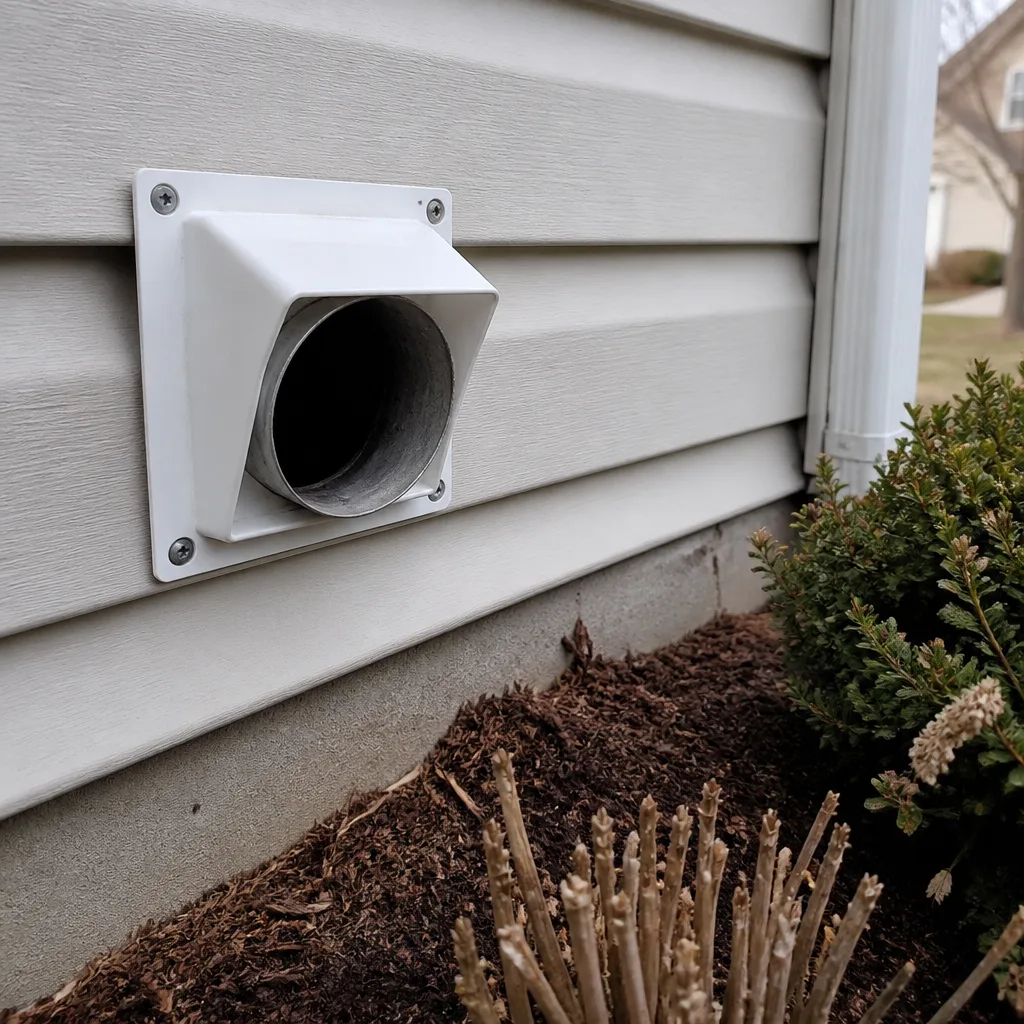 Dryer vent cleaning
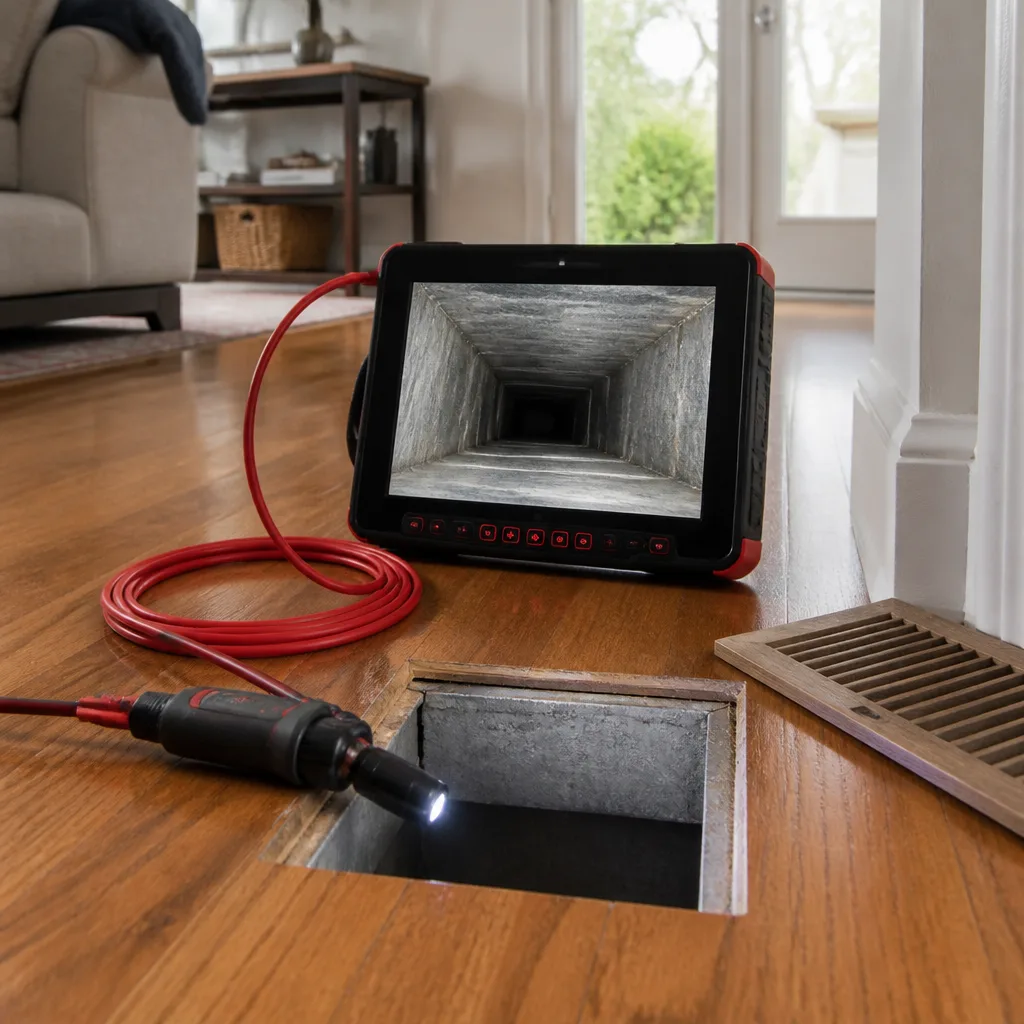 Camera inspection
 Sanitizing & deodorizing
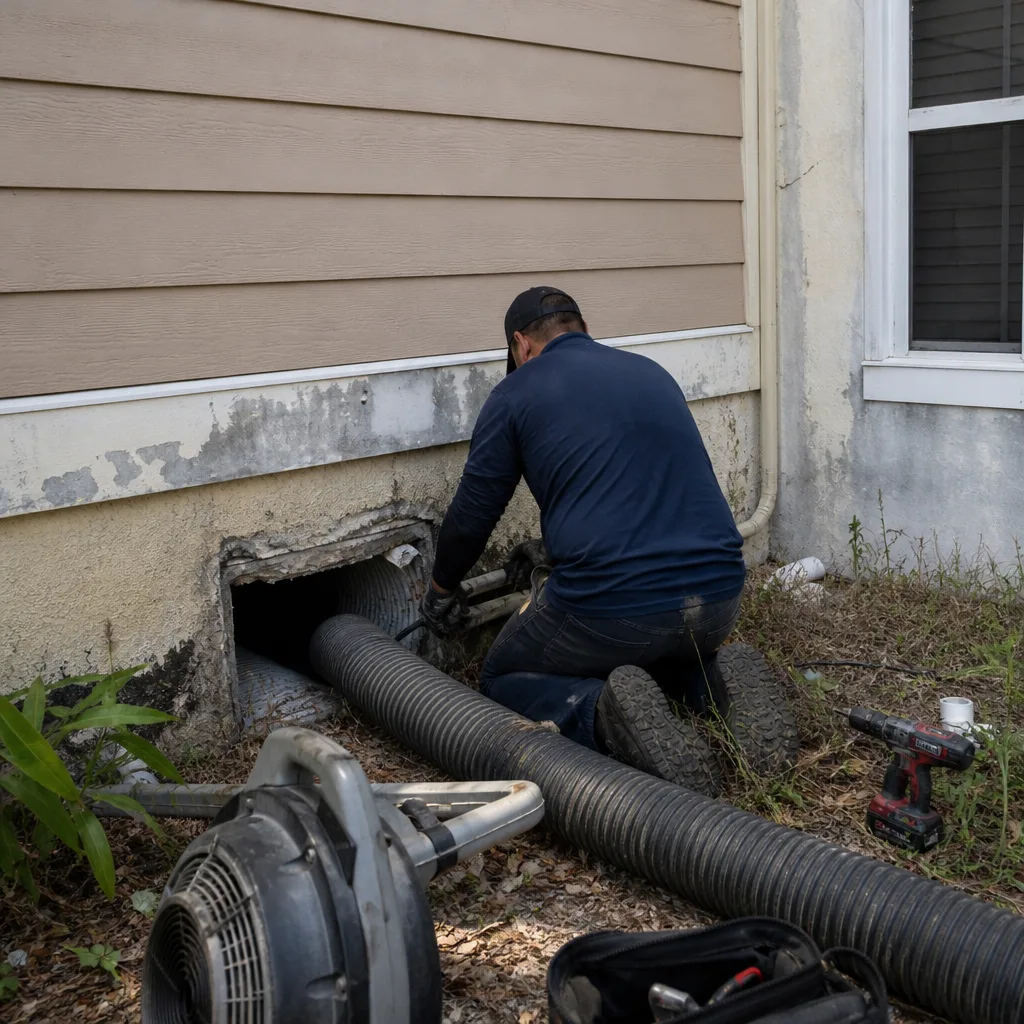
Whole-system duct and dryer vent check with before-and-after photos - you see exactly what came out of your vents
That "$99 whole-house special" is a bait ad - the real number appears once they are in your hallway, or the "clean" is a shop-vac at the register. We photograph the inside of your ducts before and after instead.
Air Duct Cleaning Permits, Codes & Inspections in Deltona, FL: What You Need to Know
Here’s the part that surprises most Deltona homeowners: the cleaning itself usually needs no permit at all. The permit question shows up later, when the technician finds damaged duct board or a loose plenum and the job shifts from cleaning to repair. That’s when Florida’s mechanical code requirements start to apply, and when an unpermitted repair can turn into a real problem during a home sale. This guide walks through what Florida Building Code Section 603 actually covers, where Volusia County draws the line between cleaning and mechanical work, how to get a clear scope of work before anyone touches your system, and why a documented, inspected repair is worth more at closing than a quiet patch job.
Quick Answer
Routine air duct cleaning in Deltona does not require a permit. Once the work involves replacing duct board, resealing or rebuilding a plenum, or modifying an air handler connection, it becomes mechanical work that may require a permit through the Volusia County Building Division. Always ask for a written scope of work that states the permit status before any repair begins.
Styles & brands we work with
- Whole-home duct cleaning
- Dryer vent cleaning
- Camera inspection
- Sanitizing & deodorizing
Table of Contents
- What Florida Building Code Section 603 Actually Requires
- Volusia County Thresholds: When Cleaning Becomes Mechanical Work
- How to Request a Scope of Work Document Before Work Begins
- The Inspection Record Trail and Why It Adds Value
- HOA Considerations in Deltona Communities
- How Deltona’s Climate and Housing Shape Duct Repairs
- Storing Your Duct Documentation the Right Way
- The Contractor Checklist for Deltona Homeowners
What Florida Building Code Section 603 Actually Requires
Florida Building Code Section 603 addresses duct construction and installation, and it’s the section most often cited when a duct repair comes into question. What it governs is how ducts are built, supported, sealed and connected to the mechanical system, not whether a vacuum touched the inside of them. That distinction matters in Deltona, because a lot of the “duct work” homeowners ask about is really two very different categories of job.
Cleaning, on its own, is maintenance. It removes accumulated dust, debris and biological growth from the interior of an existing, intact system. No alteration to the structure of the duct, the plenum or the air handler connection takes place. Florida does not license or permit that activity, and no inspection record exists for it because none is required.
Repair is different. When a contractor cuts out a section of damaged duct board, rebuilds a plenum connection, replaces flexible duct runs, or re-seals the point where the duct system meets the air handler, the work falls under the mechanical code. Section 603 covers the construction standards that apply to that work, including support spacing, sealing requirements and material compatibility. The practical result is that a repair performed without a permit may not meet code, even when it looks fine from the outside.
We’ve seen the confusion play out in older Deltona homes where duct systems were replaced piecemeal over the years. A generic “air duct cleaning” visit turns into a repair when a technician opens a plenum and finds it hanging loose or crushed. That’s the moment the homeowner needs to know whether the work they’re about to authorize requires a permit, and the technician needs to be clear about it before proceeding.
Volusia County Thresholds: When Cleaning Becomes Mechanical Work
Volusia County Building Division reviews mechanical permits for work that alters, replaces or modifies duct systems and their connections to HVAC equipment. The threshold is functional, not cosmetic. If the work changes how the system moves air or how it’s structurally connected, it typically falls inside the permit boundary. If it only removes debris from an intact system, it typically doesn’t.
Here’s the plain-language breakdown:
- Cleaning only: No permit, no inspection. The system is intact before and after.
- Routine cleaning with minor re-sealing at joints and registers: Usually no permit, but confirm in writing.
- Replacing damaged or collapsed flexible duct runs: Generally requires a permit as mechanical work.
- Cutting out and rebuilding duct board sections: Generally requires a permit.
- Rebuilding or resealing a plenum: Generally requires a permit.
- Modifying the air handler connection or adding new duct runs: Requires a permit.
We always recommend confirming the permit question with the Volusia County Building Division before work is scheduled rather than after. Codes and local interpretations evolve, and a quick call to the building department removes the guesswork. The important part isn’t memorizing the exact threshold. It’s knowing that a threshold exists, and asking about it before anyone starts cutting.
Some repair jobs are borderline. If a duct run is loose but not damaged, re-sealing it might fall on the cleaning side. If a technician finds the run is crushed and must be replaced, that’s a repair. A scope of work document is what keeps this from being decided verbally on the spot. For a closer look at how we structure the cleaning side of the work, see Deltona Duct Cleaning.
How to Request a Scope of Work Document Before Work Begins
A scope of work is a written document, delivered before work starts, that states exactly what will be cleaned, what will be repaired, and whether any part of it requires a permit. It’s the single most useful thing a homeowner can ask for in Deltona before authorizing a duct job, and it’s not standard practice across the industry. Ask for it anyway.
The document doesn’t need to be long. It needs to be specific. Here’s what a useful scope of work covers:
- System inventory. Which duct runs are being cleaned, how many registers and returns, and whether the air handler is included.
- Condition findings. Notes on what was visually inspected, including any damaged duct board, disconnected runs, crushed flex duct or plenum issues.
- Cleaning vs. repair distinction. A clear line between work being performed under cleaning and work that qualifies as mechanical repair.
- Permit status. Whether the repair scope requires a permit and, if so, who is responsible for pulling it.
- Scope boundaries. What the crew will not touch, so there’s no surprise at the end of the job.
- Photo documentation plan. Confirmation that before-and-after photos will be provided for the work performed.
Ask for the scope in writing before any work is authorized. If a contractor resists or says it isn’t necessary, that’s useful information. In our experience, a company that uses professional-grade equipment such as Rotobrush or Nikro systems already documents the condition of what it cleans, because that’s how the equipment is designed to operate. The documentation is part of the job, not an extra.
If you want to compare this to the cleaning side in more detail, our air duct cleaning guide covers what a full-system cleaning involves.
The Inspection Record Trail and Why It Adds Value
A permitted and inspected duct repair creates a record that follows the house. An unpermitted one doesn’t. When a home in Deltona goes on the market, a buyer’s inspector often checks the air handler and ductwork, and a permit history search at Volusia County turns up whether any mechanical work was formally recorded. If a repair was performed without a permit, the buyer’s agent will flag it, and the seller may be the one paying to reopen the wall, retroactively permit the work and pass reinspection before closing.
That’s the part most homeowners learn too late. The cost of the original repair was never the real cost. The real cost shows up when a permit is retroactively required and the inspection can’t happen without exposing what was done.
The upside is that a documented, permitted repair is an asset. When a duct repair is properly permitted and inspected, the homeowner holds:
- A permit number and inspection record with Volusia County.
- A signed completion document or final inspection card.
- Before-and-after photos showing the original condition and the finished work.
- A written scope of work that describes what was repaired and how.
That record is what a buyer’s inspector wants to see. It shortens due diligence, removes an objection, and answers the question before it’s asked. A well-documented duct repair is a small piece of value that protects a much larger one. For city-level context on why this matters so much in Deltona specifically, our Deltona page covers the local landscape.
HOA Considerations in Deltona Communities
Duct repair inside the home doesn’t touch HOA jurisdiction. The exterior side of the system often does. Deltona has a wide mix of neighborhoods, from older blocks where homes have been renovated repeatedly to newer subdivisions with active architectural review committees, and the HOA rules can differ from one to the next.
Where HOAs typically get involved:
- Exterior vent cap replacement. A damaged dryer vent or exhaust cap replaced with a different model, color or material may need architectural approval, even when the duct interior work doesn’t.
- Roof or soffit penetrations. Any change to where a duct or vent exits the building envelope can trigger review.
- Visible equipment or screening. Condenser pads, screening or new outdoor equipment placement can be governed by property appearance rules.
- Work hours and access. Some communities restrict contractor parking, staging or work times on common areas.
The practical answer is to check the HOA documents before authorizing exterior vent work. The interior duct repair may be simple and unpermitted, and the exterior cap swap may require a form. Ask the community’s architectural review contact, not the contractor, what’s required, because the contractor isn’t party to your HOA agreement. If a homeowner is unsure, getting approval before work is always cheaper than getting it after.
How Deltona’s Climate and Housing Shape Duct Repairs
Central Florida’s heat and humidity put chronic demand on duct systems. The air handler and ducts operate heavily through long cooling seasons, and that operating pattern shapes what a technician finds during inspection. Duct board absorbs moisture over time, flexible duct lining degrades faster under constant cycling, and condensate issues around the air handler are not unusual. None of this is a permit question on its own, but it changes the probability that a cleaning visit turns into a repair visit.
The housing stock matters too. Deltona includes a wide range of construction eras, and a lot of homes have had duct systems replaced, extended or patched by different contractors across different decades. When we inspect a duct system here, we’re often looking at work from more than one hand. That’s where the distinction between cleaning and repair really plays out, because one section may be intact and another may be modified in a way that should have had a permit.
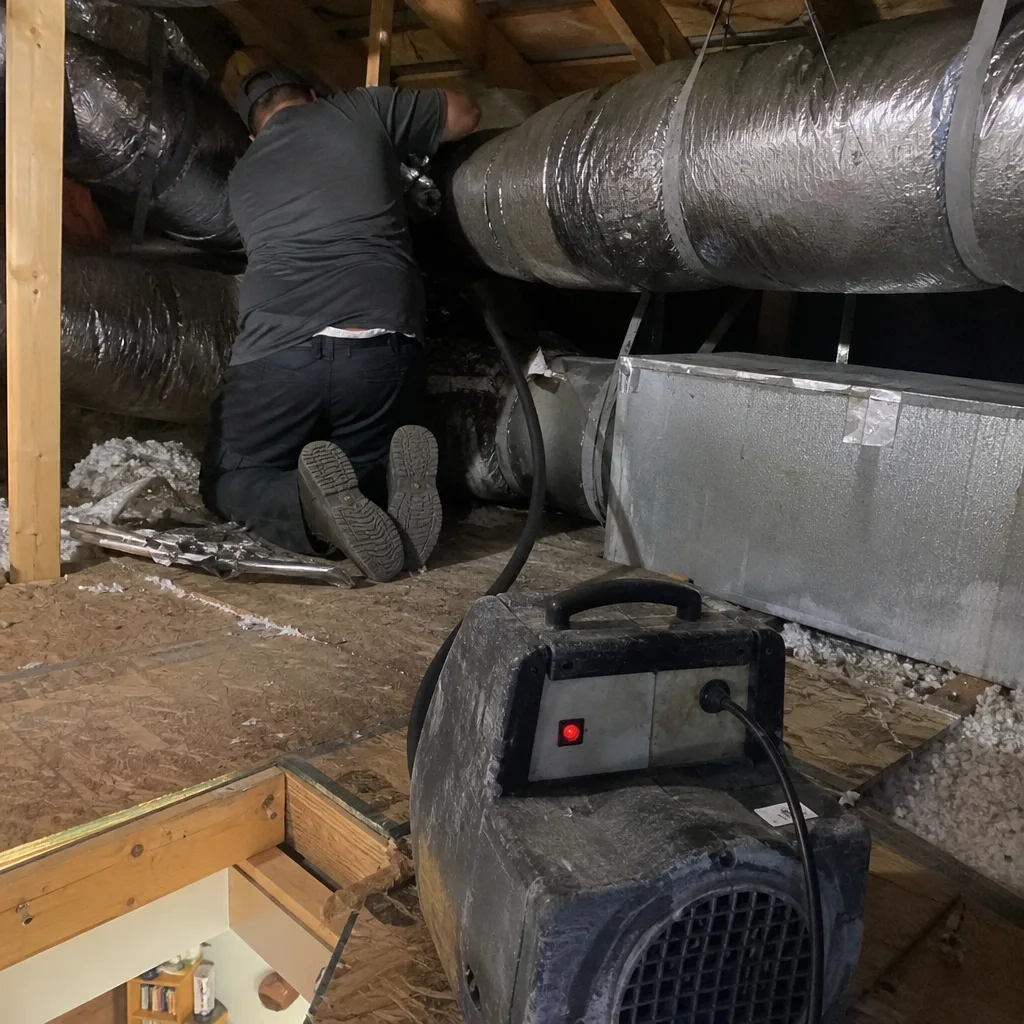
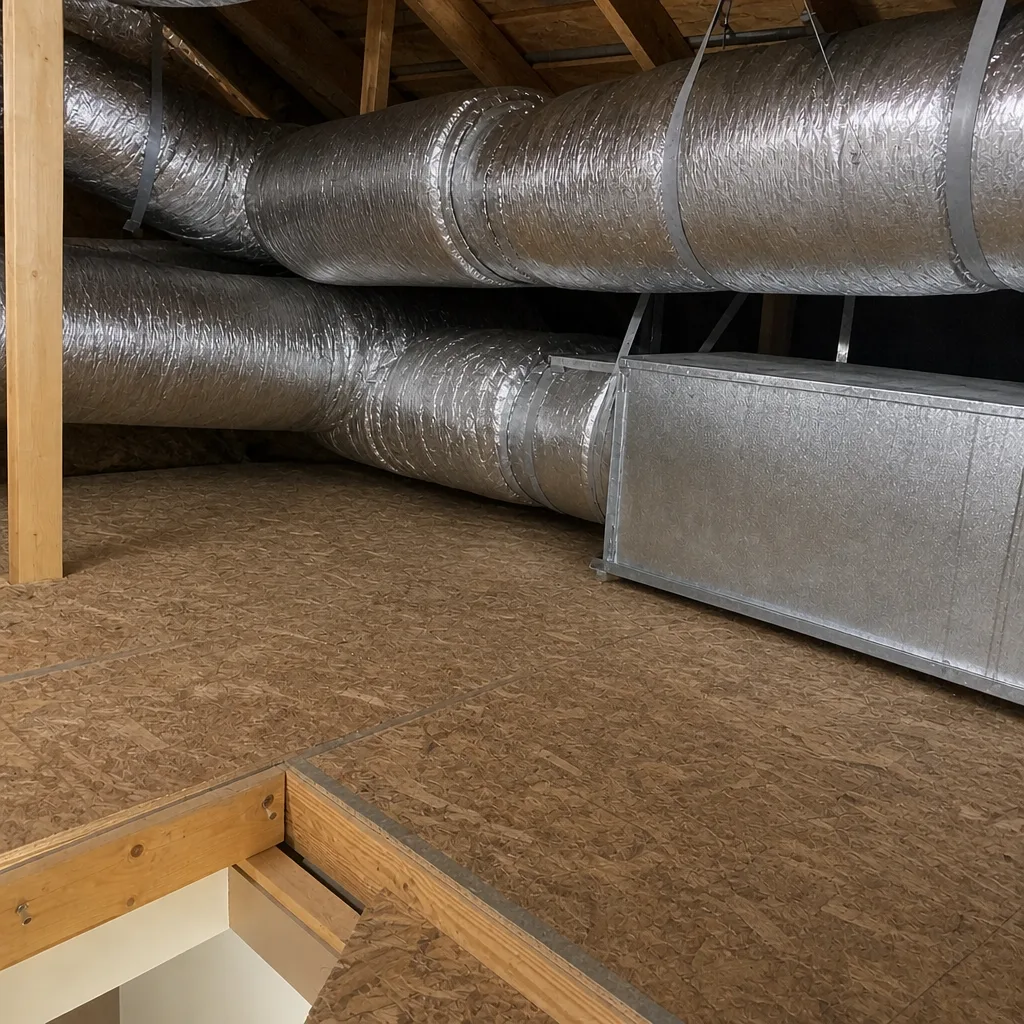
Attic duct runs are the most common location for these issues in Deltona homes. Attic heat is hard on both duct board and flexible duct, and the visual inspection during a cleaning visit is often the first time anyone has looked closely at those runs since the house was built or last sold. A technician who opens the plenum and finds a disconnected run is doing the homeowner a service by flagging it, but the homeowner needs the permit question answered at that same moment.
The good news is that most duct issues that come up during cleaning are still on the cleaning side. If the finding shifts to repair, the scope of work document and the permit conversation should happen before the technician starts cutting. Our dryer vent cleaning service faces the same climate pressure, since that vent runs through the same hot attic and needs the same condition checks.
Storing Your Duct Documentation the Right Way
Duct documentation is easy to lose and hard to reconstruct. The best place to store it is the same folder as the rest of a home’s records, not buried in an email archive or left in a kitchen drawer. When a home in Deltona goes on the market, the documentation should be reachable in minutes, not days.
A practical system that works for most homeowners:
- Create a mechanical folder. One folder, physical or digital, for anything that touches the duct system, air handler or vent caps, along with the HVAC installation records.
- Store the scope of work. The signed scope from every duct visit, cleaning included, because it establishes a history of the system’s condition.
- Store the permit and inspection records. Any permit number, inspection card or final sign-off for permitted repair work belongs in the same folder.
- Store the photos. Before-and-after photos organized by date, with a note of what was repaired.
- Store the manufacturer documentation. Any Aprilaire, Honeywell or Guardsman component installed as part of the system, with the model and installation date.
This folder does more than help at closing. It tells the next technician what’s already been done, which avoids repeating work and helps catch what’s been missed. We recommend being consistent with it the same way you are with tax records, because the value is in the pattern, not any single document.
The Contractor Checklist for Deltona Homeowners
Before authorizing any duct work, run through this checklist. It separates a professional duct specialist from a cleaning-only crew, and it protects the homeowner if the job crosses into repair territory.
- Ask what equipment will be used. Professional-grade systems such as Rotobrush or Nikro are the standard for a full-system cleaning. A consumer-grade vacuum isn’t designed for the volume of debris a real duct system holds.
- Ask for a scope of work in writing. Before work is scheduled, not on arrival day.
- Ask who’s pulling the permit if repair is needed. If the answer is “we don’t need one,” ask specifically why not.
- Ask for photos of the interior of the system before and after. A real specialist photographs the before condition, not just the finished result.
- Ask whether repair capability exists in-house. A cleaning-only company will hand off repair to a second contractor, which means two scopes, two schedules and a gap in the documentation trail.
- Confirm the technical credibility. Use of brands like Aprilaire or Honeywell for indoor air quality components, or Abatement Technologies for filtration and containment, indicates a company working at a professional level.
- Confirm the estimate is in writing. Price is set per job by the written estimate, not by number of vents or a coupon figure.
None of these questions are adversarial. A legitimate specialist will answer them directly, because a company using professional equipment already has the documentation the answers require. Our technicians have up to 8 years of experience working on duct systems in this part of Volusia County, and the checklist above reflects what we’ve learned actually protects homeowners.
Common Mistakes to Avoid
- Assuming air duct cleaning needs a permit. It doesn’t, and a company that suggests a permit is needed for cleaning alone is either confused or selling something. Ask specifically whether the permit applies to cleaning or to the repair being proposed.
- Assuming no permit is needed because cleaning was quoted. The opposite mistake, and more expensive. Once the job crosses into replacing duct board or rebuildling a plenum, the permit question may apply even though the original quote was for cleaning.
- Authorizing a repair without a written scope of work. A verbal “we’ll fix it while we’re in there” is where permit questions get lost. Get the scope in writing before anyone starts.
- Letting the technician decide permit status on site. Permit questions should be settled before work is scheduled, not during. In Deltona, an unpermitted repair can surface at the next home sale and undo the savings of skipping it.
- Forgetting the HOA on exterior work. Interior duct work generally isn’t HOA territory, but a replaced exterior vent cap in a Deltona community may need architectural approval. Different problem, different form.
- Skipping documentation. A permitted repair that isn’t documented in the home’s records is almost as hard to prove at closing as one that was never permitted. Keep the file current.
- Booking a cleaning-only crew when the system may need repair. If the duct system is old or has visible damage, use a specialist who can clean, inspect and repair under one scope, so the permit question is answered without a second contractor.
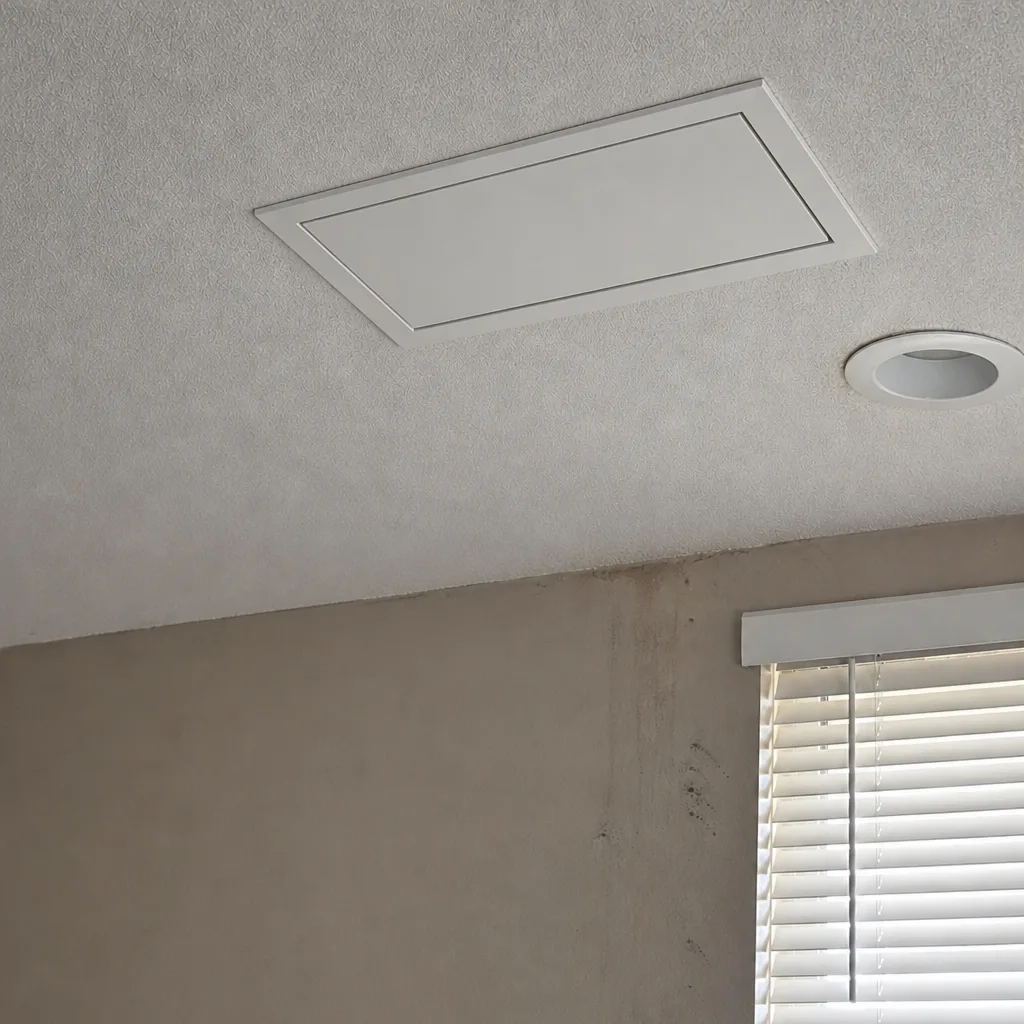
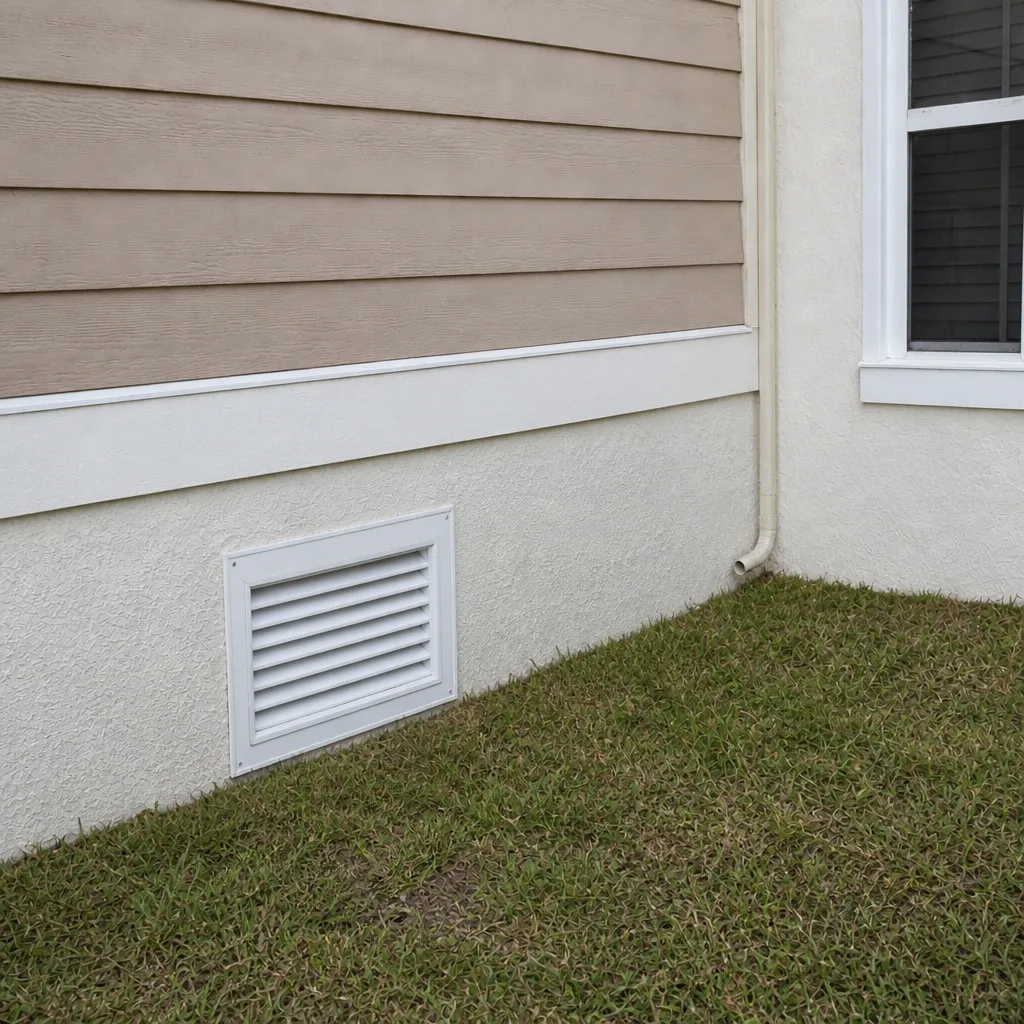
See the difference
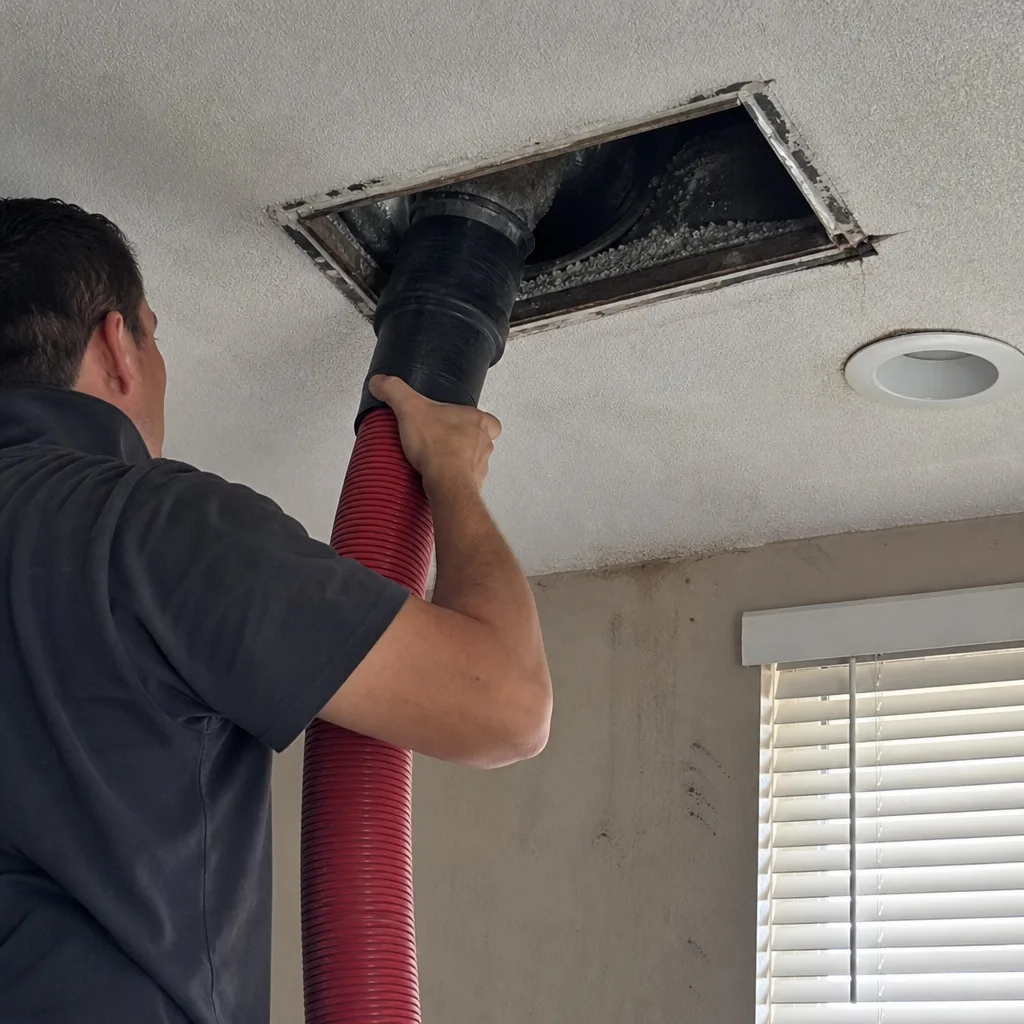 Before
 After
 Before
 After
 Before
 After
When to Call a Professional
Call a professional when you notice increased dust in a specific room, a whistling or hissing sound from a register, uneven cooling across different rooms, or visible sagging in flexible duct runs. Call sooner if you’ve bought an older Deltona home with no duct documentation, since the system’s condition is unknown and an inspection is the fastest way to know whether cleaning alone is enough. Call immediately if a supply register blows warm air on a cool setting or if the air handler has visible moisture around the connections. Deltona Duct Cleaning offers free estimates in Deltona – call (844) 980-4682. We answer 24/7. Fast dispatch from 7am to 7pm, Sunday through Friday.
Frequently Asked Questions
No. Routine air duct cleaning in Deltona does not require a permit because it’s maintenance of an existing, intact system rather than a mechanical alteration. Once the work involves replacing duct board, rebuilding a plenum or modifying the air handler connection, the permit question may apply and should be confirmed with the Volusia County Building Division. Call (844) 980-4682 for a free estimate – estimates are free.
The distinction is whether the work alters the structure of the duct system. Removing debris from an intact system is cleaning. Cutting out duct board, replacing a duct run, resealing a plenum or modifying the air handler connection is mechanical work under Florida Building Code Section 603 and generally falls under the permit boundary. A written scope of work is the clearest way to know which side of that line a job is on. Call (844) 980-4682 to talk through your system – estimates are free.
Yes. A buyer’s inspector and a permit history search at Volusia County can turn up whether a mechanical repair was formally recorded, and an unpermitted repair can become a negotiating point during closing. The cost to retroactively permit and reinspect often exceeds what the repair originally cost, because the work may need to be opened up before inspection. Call (844) 980-4682 for a free estimate on getting it documented correctly – estimates are free.
Ask for before-and-after photos of the interior of your system along with a written scope of work, and confirm the permit status of any repair in writing. A professional specialist documents the condition it starts with and the condition it leaves, and holds the permit and inspection records for the homeowner. Call (844) 980-4682 for an exact quote – estimates are free.
There’s no single schedule that fits every home. In Deltona’s climate, duct systems run heavily through long cooling seasons, and the practical trigger is condition rather than the calendar: visible dust build-up at registers, recurring dust in one room, or a system that’s never been inspected since construction or purchase. A specialist can tell you what yours actually needs. Call (844) 980-4682 for a free estimate – estimates are free.
Interior duct work generally doesn’t require HOA approval. The exterior side of the system may: a replaced vent cap, a change to where a duct or vent exits the building envelope, or new exterior equipment placement can fall under architectural review rules. Check with your community’s architectural review contact before authorizing exterior vent work, even when the interior job needs no permit. Call (844) 980-4682 for a free estimate – estimates are free.
The Bottom Line
Air duct cleaning in Deltona doesn’t need a permit. Duct repair usually does, and the moment a technician transitions from cleaning to repair is where the question matters most. Florida Building Code Section 603 governs how ducts are constructed and connected, and Volusia County Building Division draws the permit line around structural changes to duct systems and their air handler connections. Ask for a written scope of work before any job, store the permit and inspection records alongside before-and-after photos, and check HOA rules on the exterior side of the system before work begins. A documented repair protects the home’s value at closing. An undocumented one can undo it.
If your Deltona home is due for duct cleaning, dryer vent cleaning, or a duct repair you’re not sure how to categorize, call Deltona Duct Cleaning at (844) 980-4682 for a free estimate. We answer 24/7. Fast dispatch from 7am to 7pm, Sunday through Friday. We use Rotobrush and Nikro professional-grade equipment, work with Aprilaire and Honeywell indoor air quality products, and can repair the duct system we clean, so the permit question gets answered clearly before anyone starts cutting.
Written by the team at Deltona Duct Cleaning.