
Last updated November 16, 2026
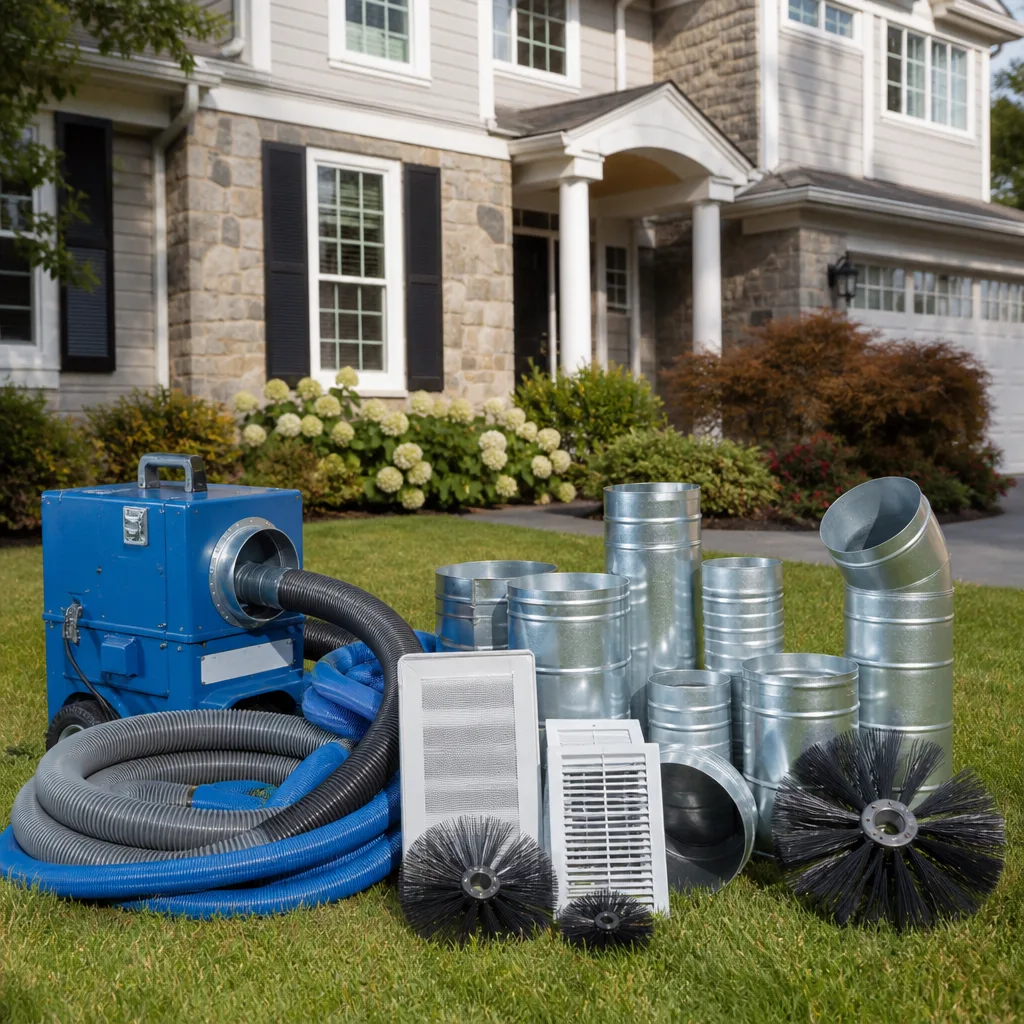 Whole-home duct cleaning
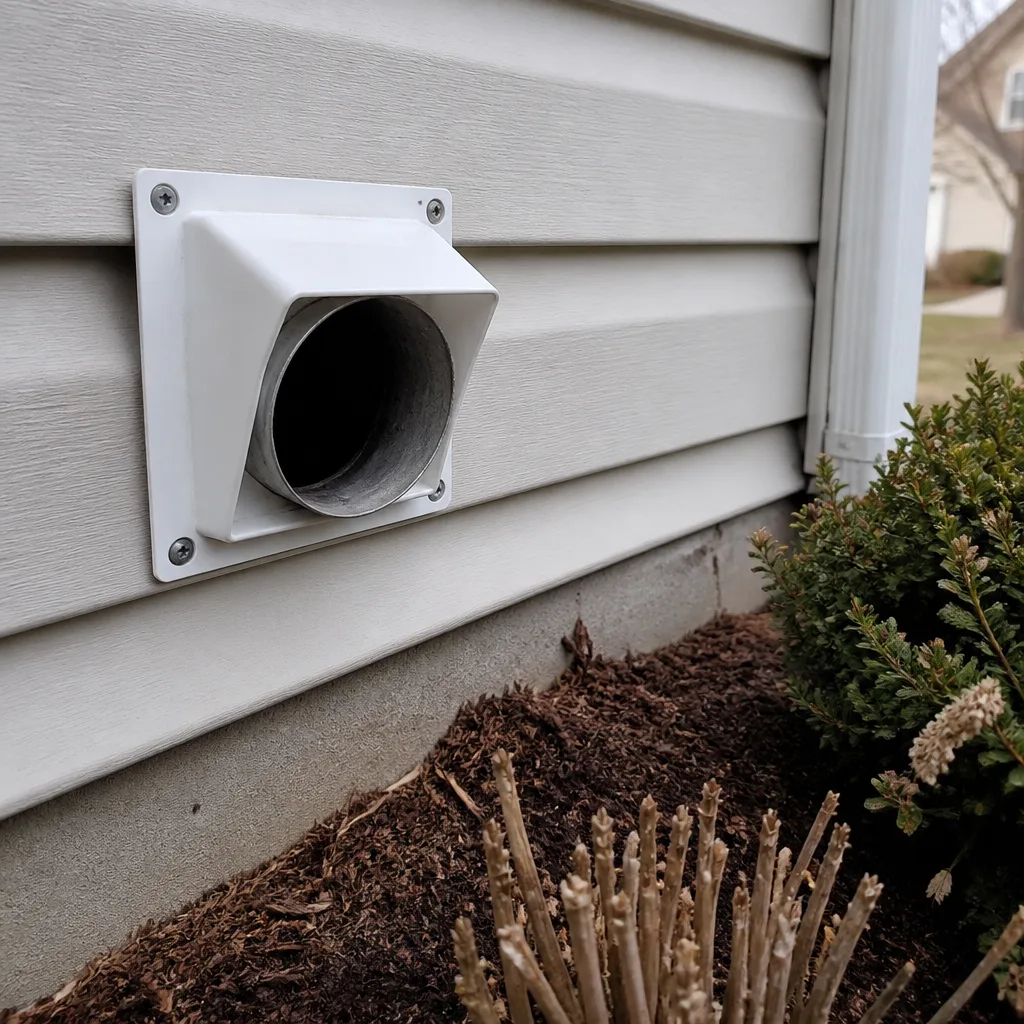 Dryer vent cleaning
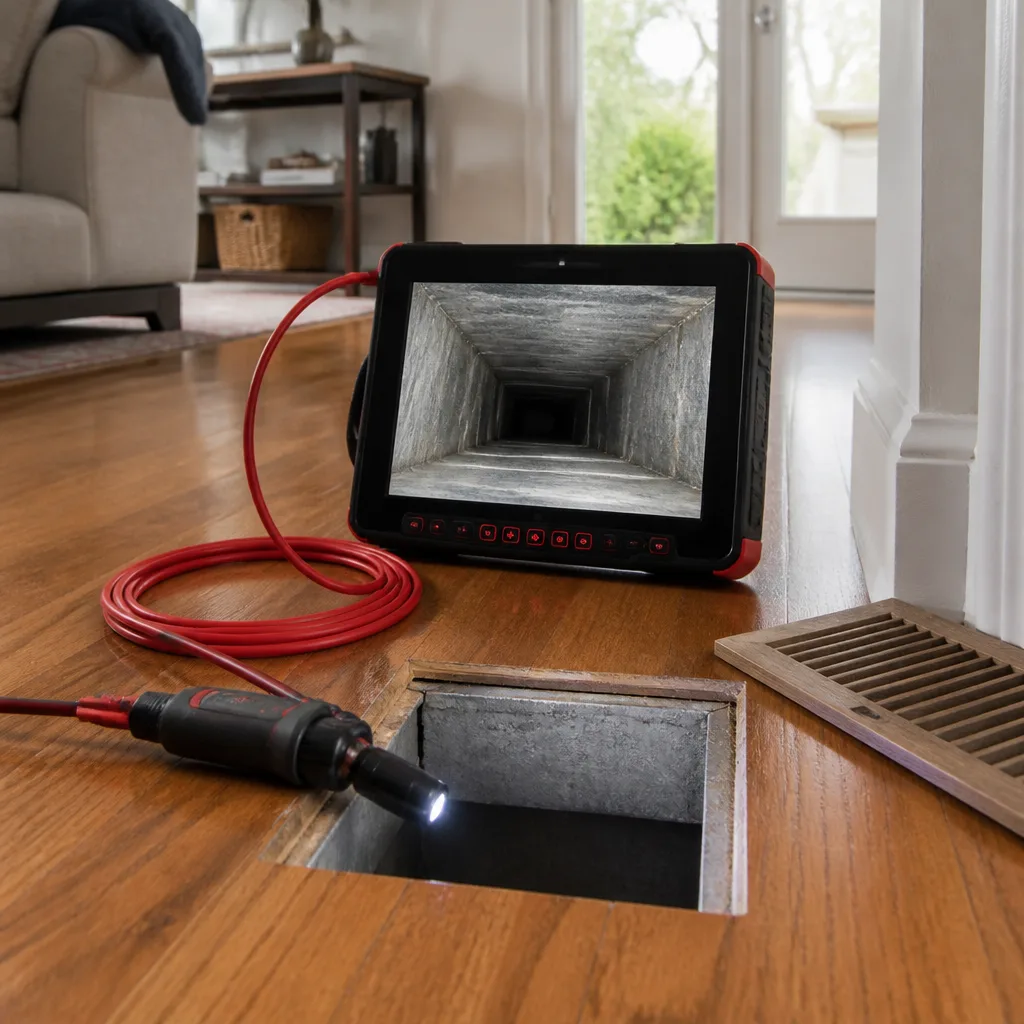 Camera inspection
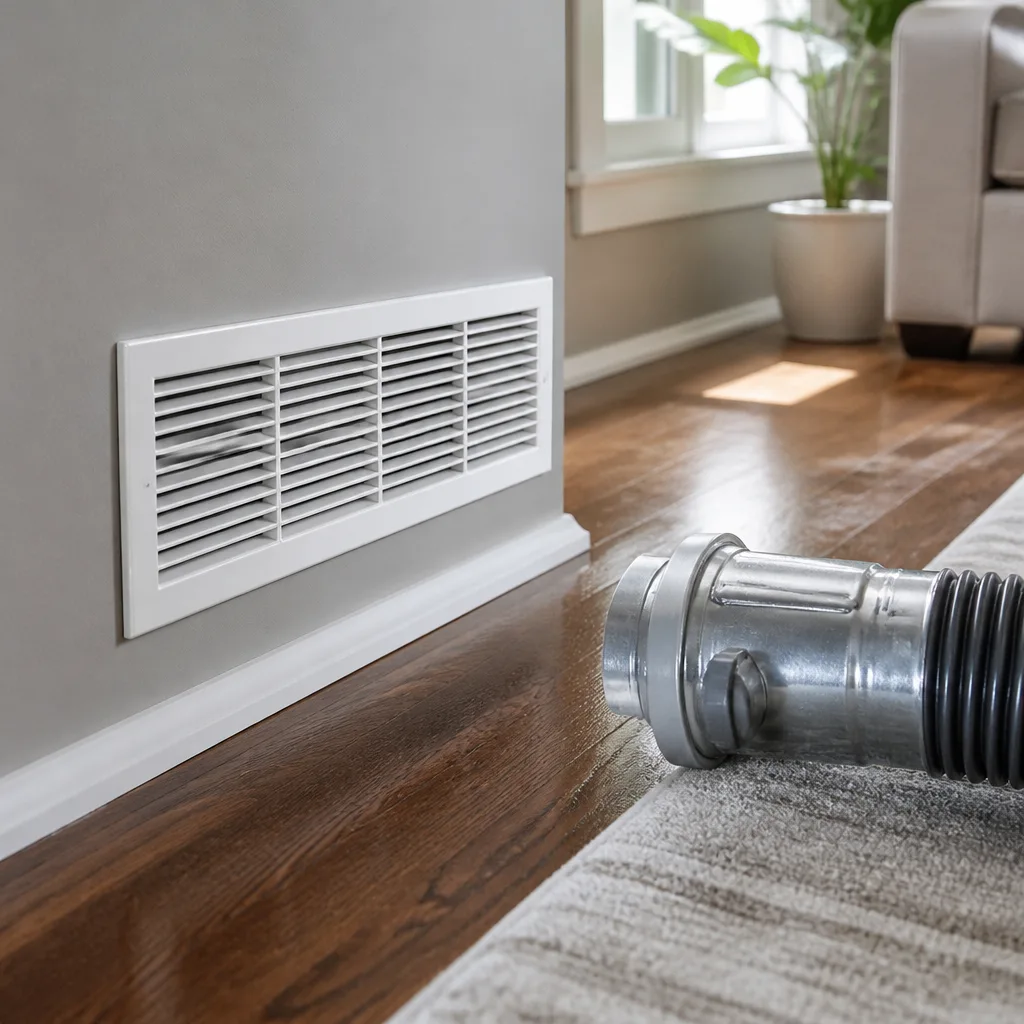 Sanitizing & deodorizing
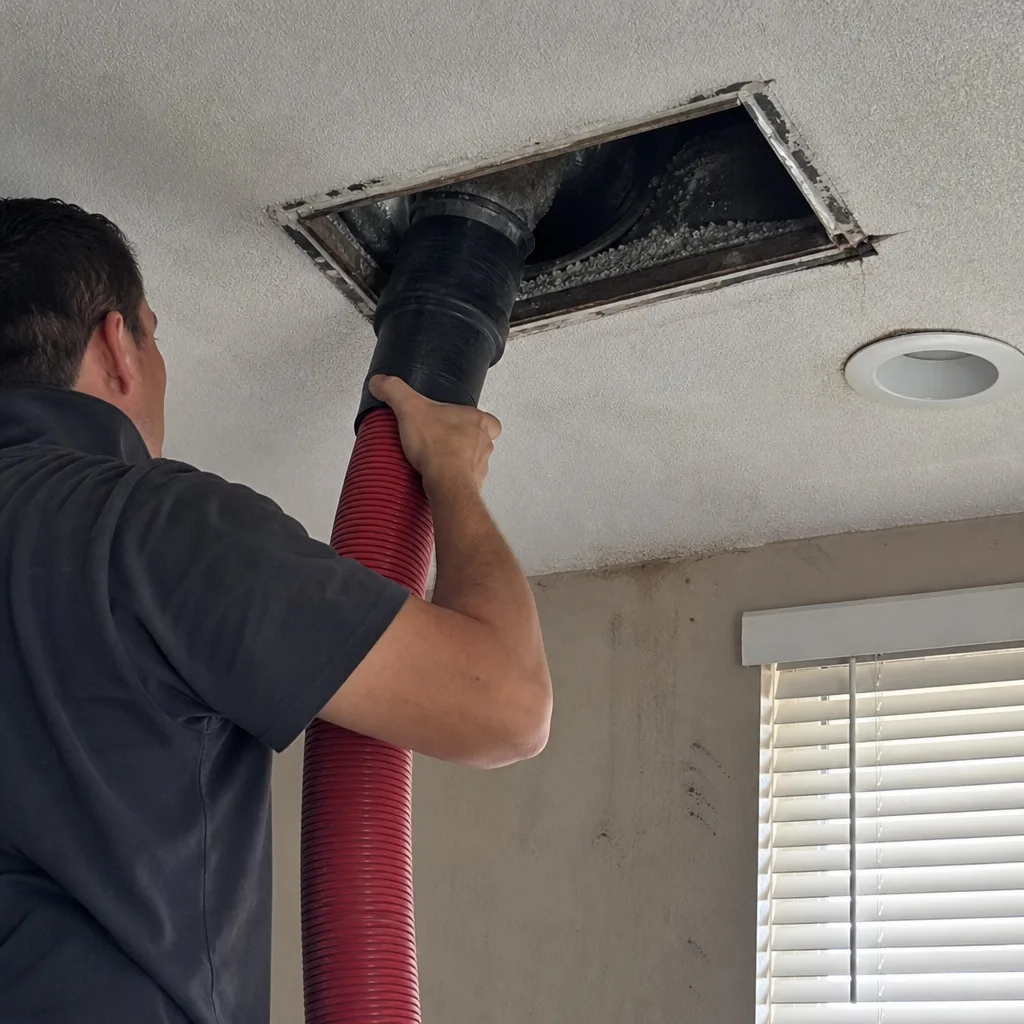
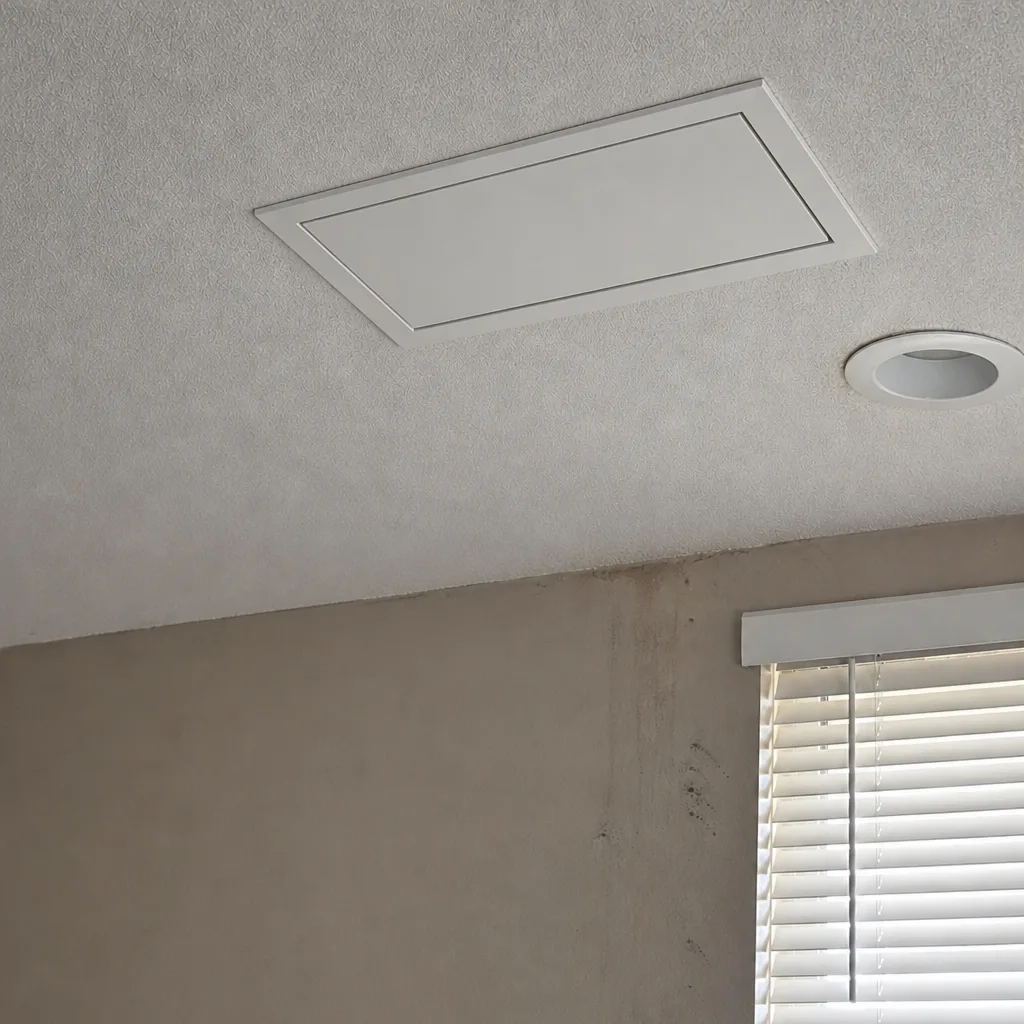
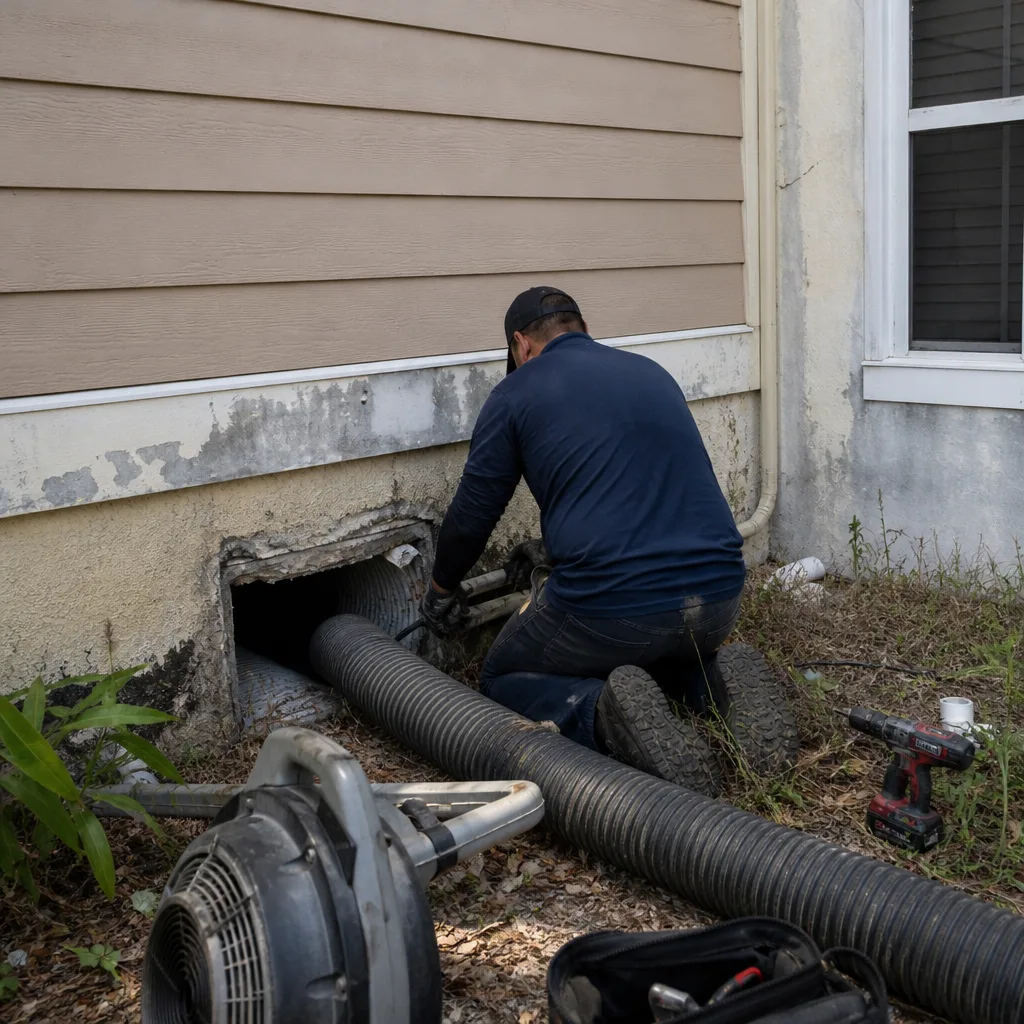
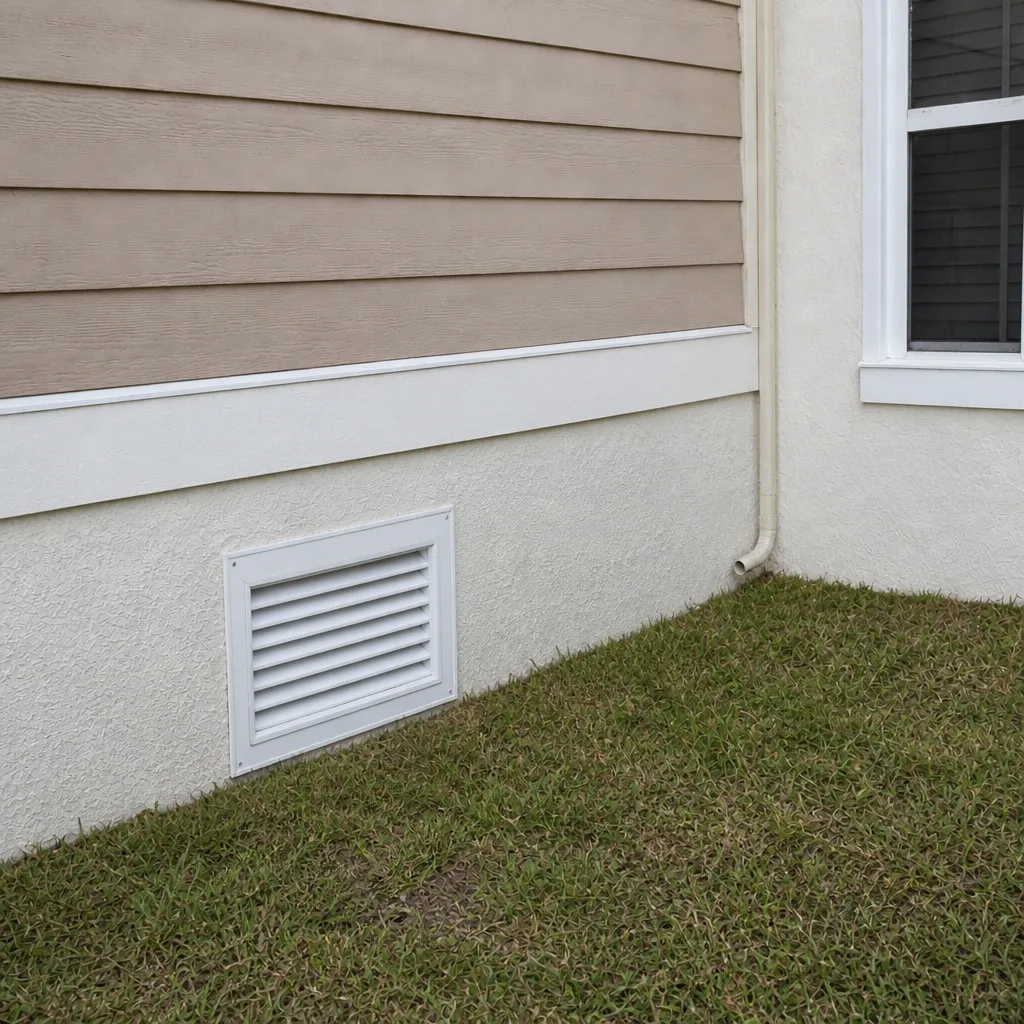
Whole-system duct and dryer vent check with before-and-after photos - you see exactly what came out of your vents
That "$99 whole-house special" is a bait ad - the real number appears once they are in your hallway, or the "clean" is a shop-vac at the register. We photograph the inside of your ducts before and after instead.
Air Duct Cleaning Emergency Preparedness Guide for Deltona Homes
Most homeowners think of duct contamination as a slow build-up of dust over years. The bigger risk in Deltona comes from a single event: a named storm, a week-long power outage, or wildfire smoke drifting in from a dry-season burn. In each case, debris and moisture enter a duct system that looks fine from the outside, and the damage starts before anyone notices a smell. Siding and roofs can come through a storm intact while the returns quietly take on storm-driven particulate, and a system that sat idle in July heat can grow microbial conditions in under three days. This guide explains the protocols we use to assess, document, and address post-disaster duct contamination in Deltona. You’ll get the specific inspection points, the outage timeline, and the documentation adjusters actually ask for.
Quick Answer
Post-disaster air duct cleaning in Deltona isn’t routine maintenance. It’s a scoped response to a specific contamination event: storm debris forced through roof and soffit penetrations, or microbial growth from 48 to 72 hours of HVAC downtime during summer heat. The right response is an inspection protocol, a documented contamination assessment, and equipment rated for remediation work, not a standard dust-and-vacuum pass. If your home went through a named storm or an extended outage, treat the ducts as part of the damage record and have them inspected before the system runs for long.
Styles & brands we work with
- Whole-home duct cleaning
- Dryer vent cleaning
- Camera inspection
- Sanitizing & deodorizing
Table of Contents
- Why Standard Cleaning Falls Short After a Storm
- The Five-Point Duct Inspection Protocol Before Restarting Your HVAC
- The 48-to-72-Hour Outage Window and Mold Colonization
- Documenting Duct Damage for a FEMA or Insurance Claim
- Smoke and Wildfire Particulate: A Different Cleaning Protocol
- Building a Pre-Disaster Baseline
- What Equipment Actually Matters
- Neighborhood and Housing Factors in Deltona
Why Standard Cleaning Falls Short After a Storm
Routine duct cleaning chases dust. It’s built around a rotating brush head and a negative-pressure vacuum that pulls loose particulate out of the airstream. That works for a home that’s been lived in for a decade. It’s not what post-storm contamination requires, because the material inside the ducts after a named storm is different in kind. You’re dealing with wind-driven debris, roof shingle grit, insulation fibers, and sometimes moisture carried in with the rain. Routine equipment doesn’t remove that class of material from the interior surface of the ductwork, and it certainly doesn’t address what’s growing on it.
After Hurricane Ian, air quality testing in affected Central Florida homes found elevated particulate and microbial counts in duct systems that had no visible structural damage. Debris had entered through roof penetrations and unsealed return grilles during the storm. From the yard, those homes looked untouched. From inside the plenum, they needed a different category of work.
What post-storm duct contamination actually includes
- Wind-driven particulate: shingle grit, dust, and fine debris forced through any envelope breach. Included because most homes have at least one during a named storm, even if it’s small.
- Insulation fiber intrusion: when roof or attic insulation is displaced, fiber can enter the return side. Common in older Deltona homes with fiberglass attic blankets.
- Moisture: rain intrusion through penetrations, or condensation from a system that lost power. This is what turns a cleaning job into a remediation job.
- Biological growth: when moisture and heat combine, the duct interior becomes a substrate. Timing matters, and we’ve seen this on systems that never flooded.
- Lost seal integrity: flex duct connections and plenum tape can loosen under wind-driven pressure changes. A system can leak internally after a storm without a visible exterior problem.
The takeaway is that a home that “made it through” a storm still needs the ductwork inspected as its own system. If you’ve never scheduled air duct cleaning, a storm year is the year to start, even if only to establish a baseline.
The Five-Point Duct Inspection Protocol Before Restarting Your HVAC
Before you run the system after a named storm, someone qualified should inspect five specific access points. This is not a DIY walk-through. It’s the sequence we run in a Deltona home after storm impact, and it tells you within minutes whether a routine clean is enough or whether the scope needs to widen to repair or remediation. Running the system first, then inspecting, spreads contamination through the living space. Inspect first, then decide.
- The air handler cabinet and blower compartment. Open the access panel and look for water staining, grit accumulation, or debris that rode in on the return side. Check the filter for signs of moisture (darkened pleats, warping). Any moisture here stops the process; the system shouldn’t run.
- The return plenum and return grilles. Unsealed returns are the single most common entry point for storm debris. Look at the interior of the return drop and at the air-side surface of the grilles. Visible debris means the ducts downstream are also affected.
- Rooftop and attic penetrations at the duct run. Any duct passing through the attic should be checked where it meets a roof deck penetration or a soffit transition. A small gap that wouldn’t matter on a calm day becomes a debris channel in a storm.
- The supply trunk and branch takeoffs. Look at the plenum-to-branch connections. Flex duct collars and hard-pipe tape joints are the two most common failure points under wind-driven pressure changes. A loose collar leaks internally without a visible exterior symptom.
- The dryer vent termination and interior run. Wind-driven debris can pack into the dryer vent exterior hood. If the flap is jammed open or the run is clogged, this is a fire and efficiency concern separate from the HVAC system. Book dryer vent cleaning alongside the HVAC inspection if the storm was significant.
If any of the five points shows moisture, visible debris intrusion beyond the filter, or obvious seal failure, don’t restart the system until it’s been assessed. Run a system with compromised ducts and you recirculate whatever came in.
The 48-to-72-Hour Outage Window and Mold Colonization
Extended power outages during a Florida summer are a different problem from storm-driven debris, and many Deltona homeowners don’t connect the two. When your HVAC system loses power, the indoor air stops moving. In July and August, indoor humidity can rise quickly because there’s no dehumidification from the coil. The inside of your ductwork is a dark, enclosed space with residual moisture on the coil and plenum surfaces. That’s enough to support microbial growth in a relatively short window.
The timeline we see in practice:
- 0-24 hours: Condensate on the coil and in the drain pan. Residual moisture in the plenum and on the first few feet of duct. Nothing visible yet, but the conditions are building.
- 24-48 hours: Ambient indoor humidity climbs. Fabric-lined duct interiors (common in homes built in the 1980s and 1990s around Deltona) absorb moisture. Microbial spores that are always present begin to find conditions favorable.
- 48-72 hours: Visible growth can begin on interior surfaces of the plenum and on the air-side of lined ductwork. The first run of the system after power returns distributes spores into the living space before the coil has cooled the air.
- Beyond 72 hours: A deeper problem. Duct lining that’s been wet and warm for three or more days typically needs remediation-level assessment, not a routine clean.
What “remediation, not cleaning” means
If your home went more than 48 hours without power in summer heat, we recommend a full duct assessment before the system runs on its normal schedule. The distinction matters because treatment isn’t just vacuuming: it’s containment, surface treatment where warranted, filtration using equipment rated for the job, and a verification pass. We use Abatement Technologies air filtration systems for this class of work because they’re built for remediation environments, not residential dust. That’s a capability difference you won’t find in every Deltona duct company.
Documenting Duct Damage for a FEMA or Insurance Claim
Adjusters can’t see inside your ducts. The documentation burden falls on you, and the photos most homeowners take (a shot of the grille and a shot of the outside of the air handler) don’t answer the questions an adjuster will ask. Damage to duct interiors and to seal integrity after a storm is often invisible from the outside. If you want a claim considered, photograph the system the way a professional would.
What to photograph and log
- Wide shots of each access point before any work. Filter in place, grille in place, access panel closed. This establishes what the system looked like before service.
- The filter, removed and photographed against a plain background. If it’s wet, photograph it in place first, then removed. Note the date and time on each photo.
- The interior of the air handler and return plenum. Flash or a work light is fine. The point is to show what was there, not to make it pretty.
- Seal failures at duct connections. Loose collars, separated tape, gaps at plenum transitions. Photograph each one with something for scale.
- Any visible moisture or staining. On ducts, on insulation, on the air handler cabinet. Duct board and lined ductwork that shows water staining is meaningful in a claim.
- A written log of power outage duration. Date and time of loss, date and time of restoration. Most utility companies will provide this on request, and it strengthens the outage timeline argument.
- A written report from the inspection. This is the part homeowners miss. A post-service inspection report from a credible, professional duct company is a far stronger document than your own photos. It should be issued on letterhead and describe the condition found at each access point, with photos attached.
Adjusters typically expect to see the condition before work, the work performed, and the condition after. If your documentation only captures the “after,” the claim is much harder to substantiate. Get the “before” right.
Smoke and Wildfire Particulate: A Different Cleaning Protocol
Central Florida’s dry season brings brush-fire smoke into the region, and Deltona sits downwind of enough open land that smoke intrusion is a recurring event in spring. Smoke contamination in a duct system is not the same as biological contamination or storm debris. It’s chemical and particulate at a size range that penetrates deep into duct surfaces and sticks to the interior walls. It also penetrates fabrics and insulation on the duct lining rather than sitting on the surface.
The protocol differs in three ways:
- Filtration vs. vacuuming. Effective smoke removal relies on high-efficiency filtration and air scrubbing during the process, not just mechanical agitation of duct surfaces. This is why we run filtration rated for fine particulate rather than a standard shop-style vacuum.
- Odor source, not odor masking. If the ducts smell like smoke after a burn event, the source is particulate on the interior surface. A surface clean that misses the duct lining will leave the odor. The correct response is a full-system clean with source removal, not an air freshener or a duct fog treatment.
- Filter strategy. For a home in an active smoke zone, running a higher-MERV filter during and after a burn event is part of the response. That’s where product expertise matters. We work with Aprilaire and Honeywell filters and air quality products, both of which offer filter options matched to an actual filtration strategy rather than a one-size fit.
Smoke events are also the reason a professional-grade system is worth having on the property. A cheap vacuum jams and stops. A Rotobrush or Nikro system keeps working through a heavily loaded duct, and the containment keeps the removed material from drifting back into your living room. If smoke events are a regular feature of your summers, this is the equipment question to ask.
Building a Pre-Disaster Baseline
The single most useful thing you can do before the next storm is to have a clean, inspected duct system and a service report documenting what was found. It’s the difference between a claim you can substantiate and one that turns into a phone argument. In Deltona, where hurricane season runs from June through November, the window for “before” work is small and predictable.
What a proper pre-disaster baseline includes
- A full-system clean using professional equipment. Not a coupon-rate quick pass. Ask what equipment the company uses, and expect a specific answer (Rotobrush, Nikro, or similar professional-grade systems).
- An inspection report from the same visit. Condition at each access point, seal integrity at branch connections, filter condition, dryer vent condition. On letterhead, with photos.
- A note on any duct repair needed. If the baseline reveals a loose collar or a compromised seal, repair it before the next storm. A pre-existing duct defect is the first thing that gets worse in a named storm. Our team can do the repair, which is unusual. Most cleaning companies can’t. That matters when a baseline inspection turns up something.
- Air quality hardware review. If your home is running an older media filter or no filter beyond the throwaway, this is the point to consider an upgrade. We work with Aprilaire and Honeywell equipment, which gives you options beyond the basic filter rack.
A baseline is not an insurance obligation. It’s a practical document. Insurers generally respond better to a home with a clean record and a professional report than to a home with no history, and if a claim does happen, the pre-disaster report shortens the assessment considerably.
If you’ve never had the system looked at, the starting point is simple. Get a professional inspection and clean, then keep the report. Everything else in this guide builds from there. That first step is more useful than any list of storm-season tasks. If you want to know how a baseline visit works in Deltona, the answer is on our Deltona Duct Cleaning home page, and we’ll walk you through it before you commit to anything.
What Equipment Actually Matters After a Contamination Event
Post-disaster duct work lives and dies on the equipment, and this is where the difference between a routine cleaning company and a remediation-capable one shows. We run professional-grade systems because the alternative doesn’t produce a defensible result. The equipment differences we rely on come down to four things:
- Rotobrush and Nikro systems are built for the full length of the duct run, not the first six feet. The rotating brush head and high-flow vacuum handle loaded conditions that stall a consumer-grade machine. These are the same equipment classes used in commercial and remediation projects.
- Abatement Technologies air filtration and containment gives us the ability to run a job with negative pressure and filtration in place, which is what post-mold and post-smoke work requires. You can’t do remediation-level work with a shop vac and hope.
- Aprilaire and Honeywell are the filter and air quality brands we work with when a home needs a filtration upgrade beyond what’s currently installed. Both are industry benchmarks for a reason.
- Repair capability means the system is left sealed and whole, not just clean. Loose collars and compromised tape get repaired during the visit, not handed off to a second contractor. When you call a specialist for a full job, you shouldn’t have to call another specialist for the fix.
Why this matters more after a storm
A routine post-storm clean done with budget equipment looks fine on the surface and leaves interior contamination where it was. The homeowner sees a “cleaned” system and runs the HVAC, and whatever contamination remains spreads through the living space for the next season. Professional equipment is a defensibility issue as much as a quality one. If you had a contamination event, the work performed needs to match the scope of the event. That’s the standard we hold in Deltona, and it’s why we won’t quote a post-storm job on the assumption that a routine clean is enough.
Neighborhood and Housing Factors in Deltona
Deltona’s housing stock adds a few wrinkles that homeowners here should know about when planning duct work. The city was developed heavily in the 1980s and 1990s, which means a large portion of the housing stock now has ductwork that’s three decades old or older. Some of it is lined on the interior, and lined duct that gets wet is a different remediation case than rigid metal duct. That’s not a claim of a “Deltona problem.” It’s just a fact of the age distribution.
Older neighborhoods like Deltona Lakes and the areas around the city center tend to have more mature trees close to the envelope. After a windstorm, that’s more potential for roofline debris to be driven into soffit and roof deck penetrations. Newer sections on the eastern side of the city toward the Osteen corridor are more exposed to open-land wind, which means debris can travel further and stick harder into returns. Both profiles are worth a specific look after a named storm.
Attic ducts in this climate also spend the better part of the year running through an attic space that reaches high temperatures. Thermal cycling on flex duct seals loosens them over time. A post-storm inspection that checks seal integrity is worth doing because pre-existing loosening becomes a real leak after a storm adds pressure.
If you’re new to Deltona and you’ve just bought an older home, this is the moment to know what’s in your ducts. Our Deltona page covers the local service picture. Once you’ve had a baseline inspection, the rest of this guide makes sense in the context of your own house rather than the general case.
Common Mistakes to Avoid
- Restarting the HVAC before inspecting the ducts. If debris or moisture entered the return side, running the system distributes the problem through the house. Inspect all five access points first, then decide.
- Assuming a post-storm clean is the same as a routine clean. It’s not. Ask what equipment will be used and whether the scope includes seal repair. If the answer is “our standard clean,” ask a second question.
- Not documenting before work starts. Photos and a written report from before the service are the difference between a strong insurance record and a weak one. Get the before-documentation.
- Skipping the dryer vent after a windstorm. Wind-driven debris can pack into the exterior hood and turn a routine dryer vent cleaning into a safety issue. Check it.
- Never mentioning the outage timeline in a claim. If your home lost power for more than 48 hours in summer, that’s a specific contamination factor. A claim without the timeline is incomplete.
- Ignoring a small duct leak after a storm. A loose collar that wasn’t a problem before the storm will still be a problem afterward. Have it assessed while the inspection is happening.
- Hiring on price alone. The lowest quote after a named storm usually assumes a routine scope with routine equipment. The scope should match the event.
See the difference
 Before
 After
 Before
 After
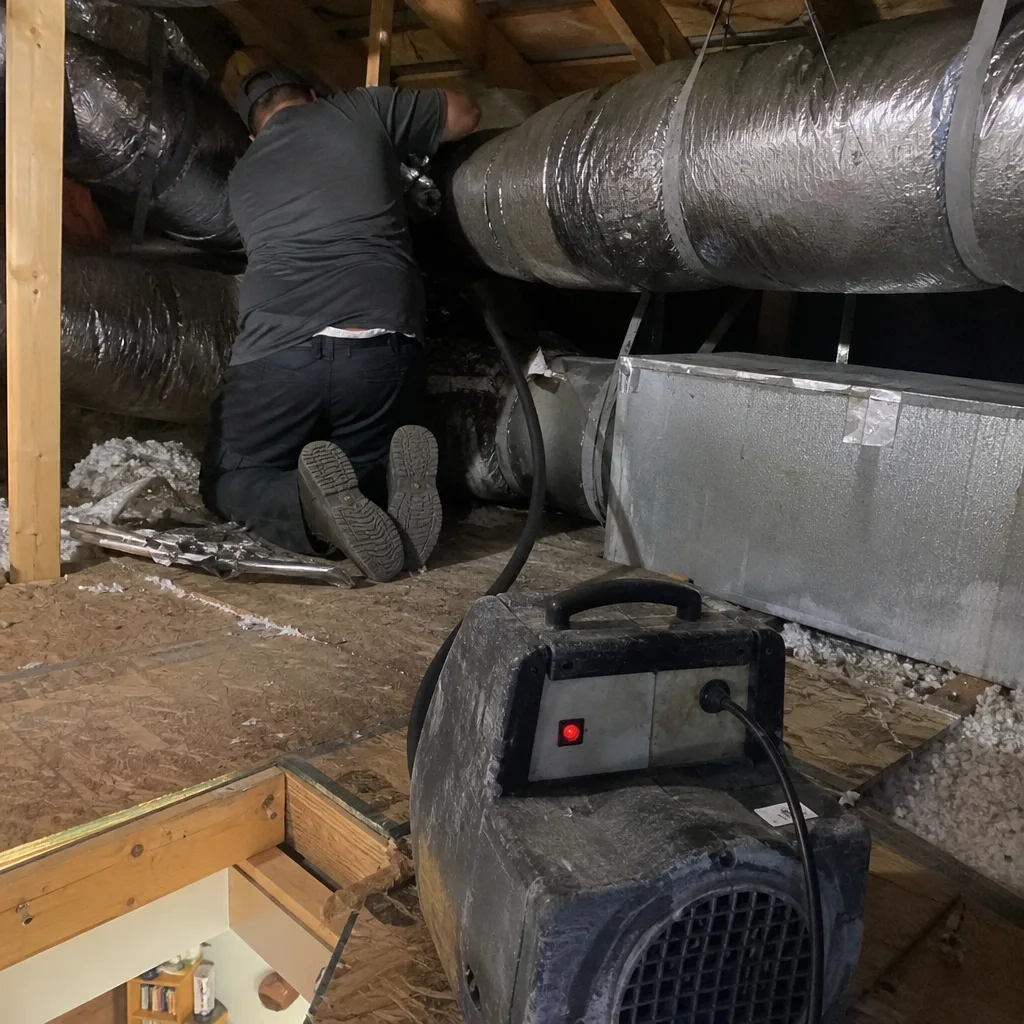 Before
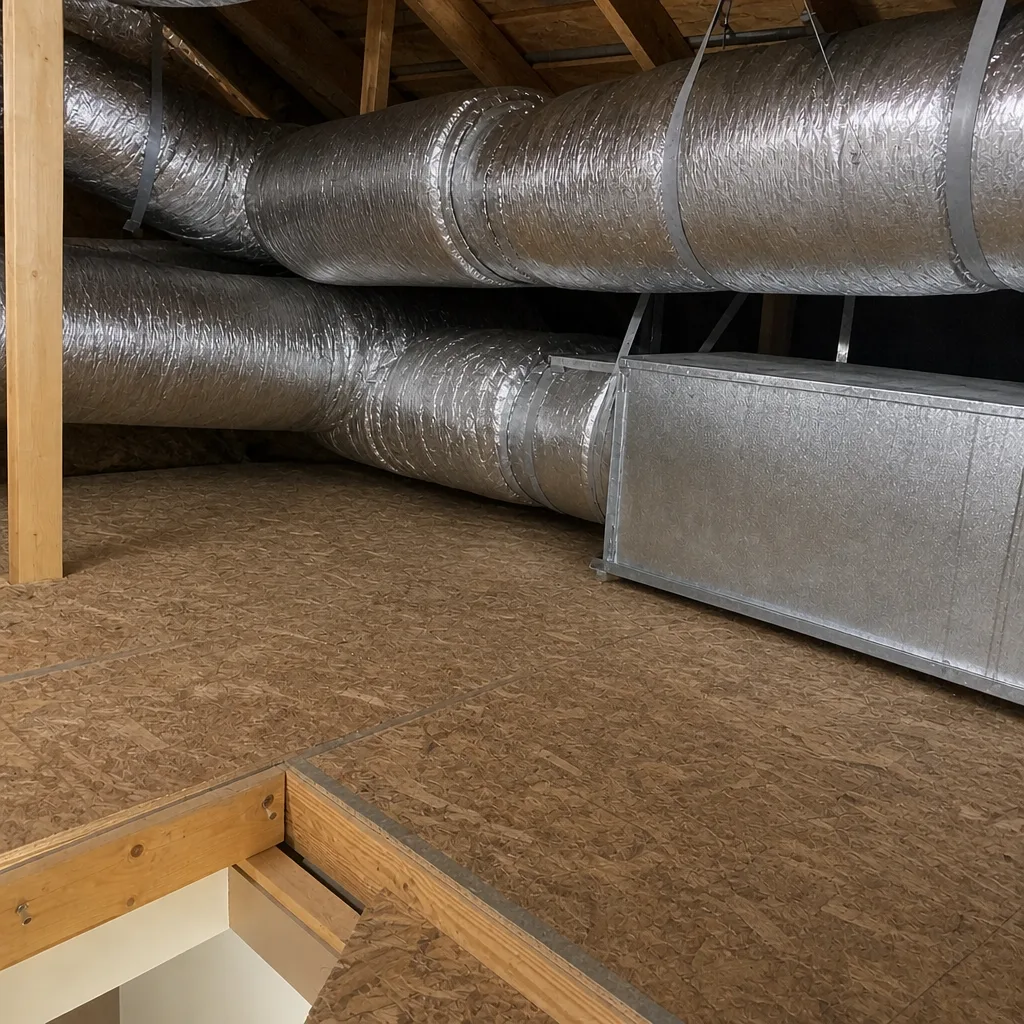 After
When to Call a Professional
Call a professional duct specialist if any of these describe your home in Deltona: you went through a named storm and haven’t had the duct system inspected, you lost power for more than 48 hours during summer heat, your home filled with wildfire or brush-fire smoke for an extended period, or you bought a home in an older Deltona neighborhood and don’t know when the ducts were last cleaned. You should also call if a home inspector flagged ductwork condition at purchase, if your dryer vent hasn’t been checked in over a year, or if you’ve noticed a persistent smell from the supply registers that doesn’t clear after filter changes. These are not scenarios for a DIY vacuum. Our technicians have up to 8 years of experience, and we use professional-grade equipment built for this class of work. Deltona Duct Cleaning offers free estimates in Deltona. Call (844) 980-4682. We answer 24/7. Fast dispatch from 7am to 7pm, Sunday through Friday.
Frequently Asked Questions
We quote air duct cleaning per whole system, not per vent, and the price is set by the written estimate after we’ve seen the system. A routine clean of a standard Deltona home is different work from a post-storm protocol with repair and containment, so the scope determines the price. There’s no teaser coupon price and no surprise invoice once the technician is on site. The estimate is free, and the written estimate is the price. Call (844) 980-4682 for an exact quote.
Cheap post-storm quotes usually assume a routine cleaning scope with equipment that can’t handle loaded storm debris or remediation-level work. A shop-style vacuum and a rotating brush can’t contain mold-affected material or address seal failures, so the low price reflects a smaller job, not a better deal. If the scope doesn’t include a documented inspection, repair capability, and filtration matched to the event, the price isn’t low, it’s incomplete. Call (844) 980-4682 for a scope that matches the event.
We provide before-and-after photos of your own ducts, plus a written report describing condition at each access point. That’s how you verify the work, and it’s also how you build an insurance record after a storm. If a company won’t document the before-and-after, ask why. Documentation is standard work on a professional job. Call (844) 980-4682 to book a documented visit.
Yes, in many cases. Hurricane Ian showed that duct systems in Central Florida homes without visible structural damage still tested with elevated particulate and microbial counts. Debris enters through roof penetrations and unsealed returns even when siding, roof, and windows held up. An inspection at the five access points tells you whether your ducts were affected. Call (844) 980-4682 to schedule one before the next storm season.
The 48-to-72-hour window is the threshold to watch. Beyond that, in Florida summer heat, duct lining and plenum surfaces have had time to accumulate moisture and support microbial conditions. That’s when the job shifts from a thorough clean to a remediation-level protocol with containment and filtration. The duration of your outage is the key input. Call (844) 980-4682 if you’re unsure how yours ranks.
It can, because the documentation is what an adjuster uses to substantiate the claim. Photograph the system before any work, log the power outage duration, and get a written inspection report from a professional duct company. A credible report is a much stronger document than your own photos alone. We issue the report on letterhead with the photos attached. Call (844) 980-4682 for a post-storm inspection and report.
The Bottom Line
Deltona duct contamination after a storm or a long outage isn’t a dust problem, and treating it like one leaves the real issue in place. Inspect before you restart the HVAC. Watch the 48-to-72-hour outage window during summer heat. Document the condition of the system before any work is done, whether that’s for an insurance claim or just for your own record. Document the work with before-and-after photos, and make sure the equipment in the truck matches the scope on the event. A pre-disaster baseline visit holds all of this together. If you want the inspection done right, call (844) 980-4682. We answer 24/7. Fast dispatch from 7am to 7pm, Sunday through Friday. Estimates are free.
Written by the team at Deltona Duct Cleaning.