
Last updated November 16, 2026
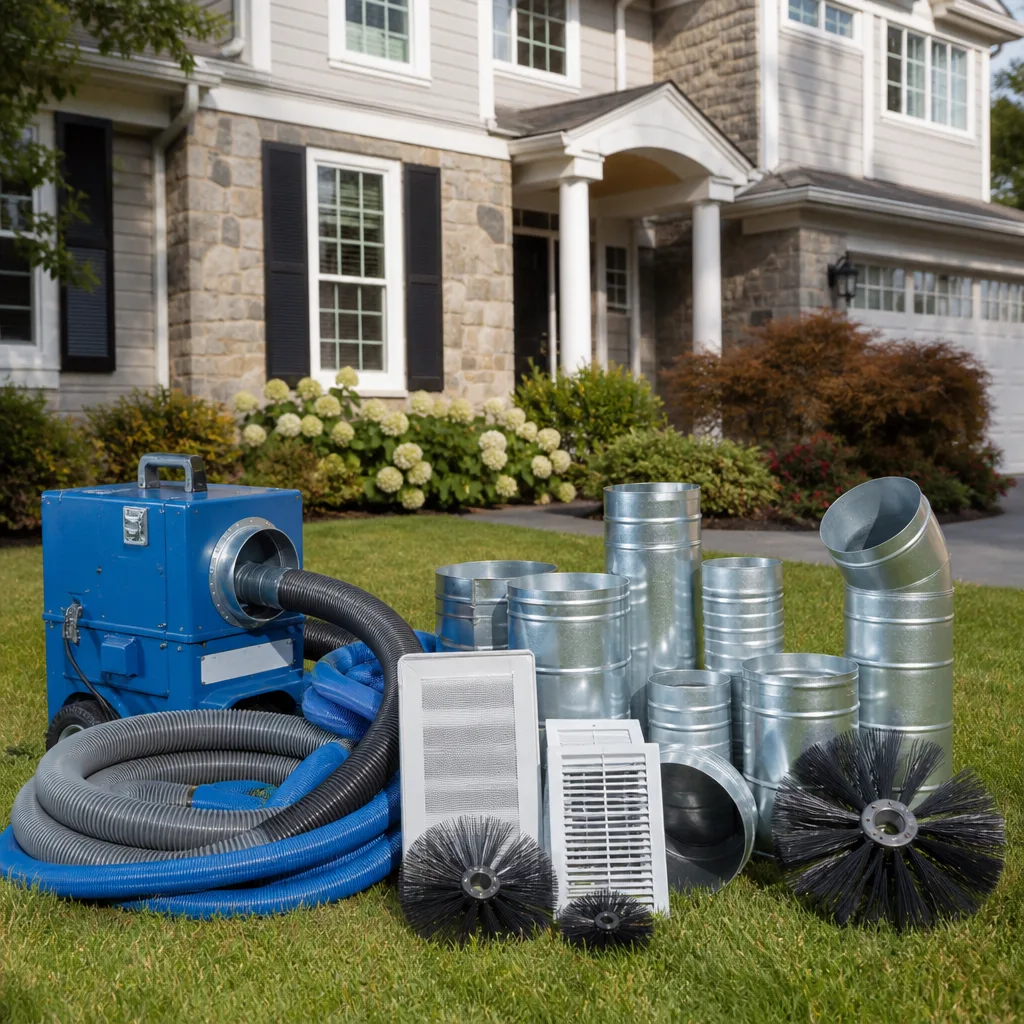 Whole-home duct cleaning
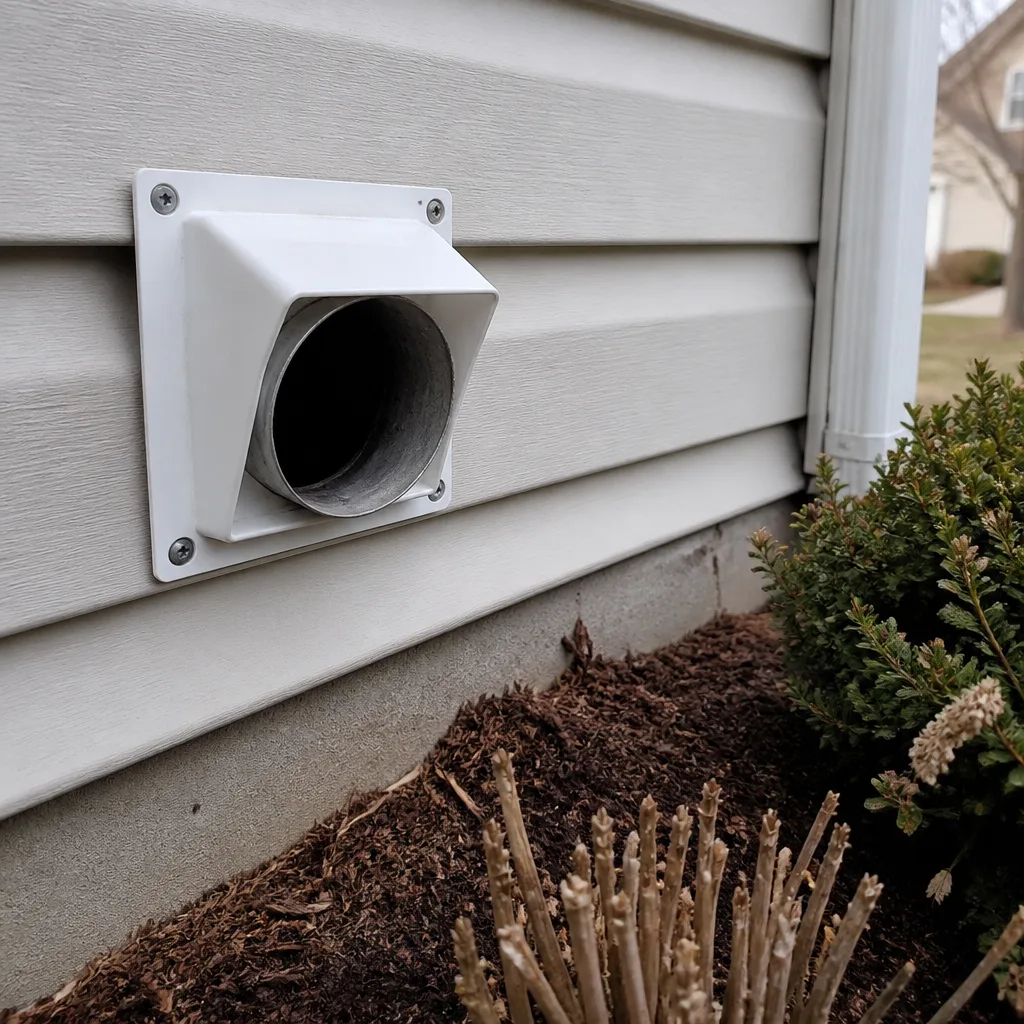 Dryer vent cleaning
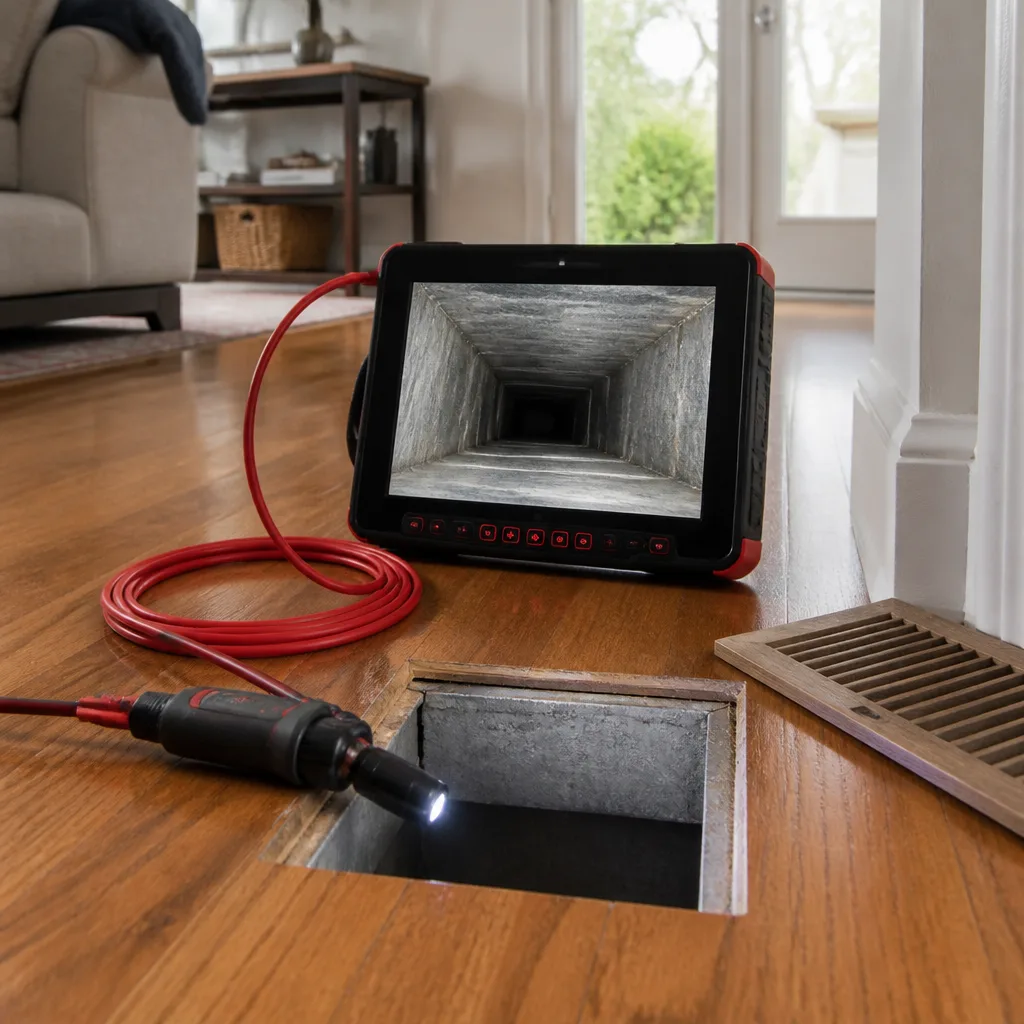 Camera inspection
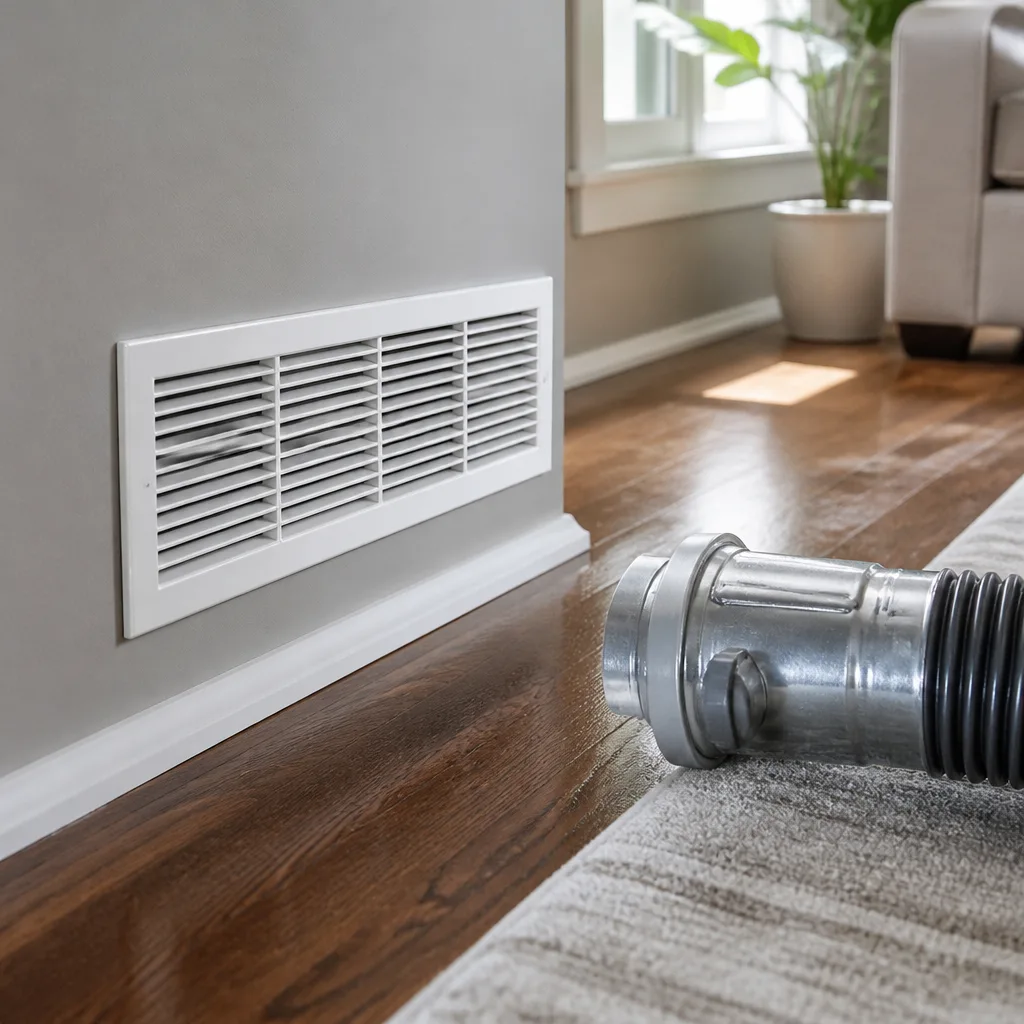 Sanitizing & deodorizing
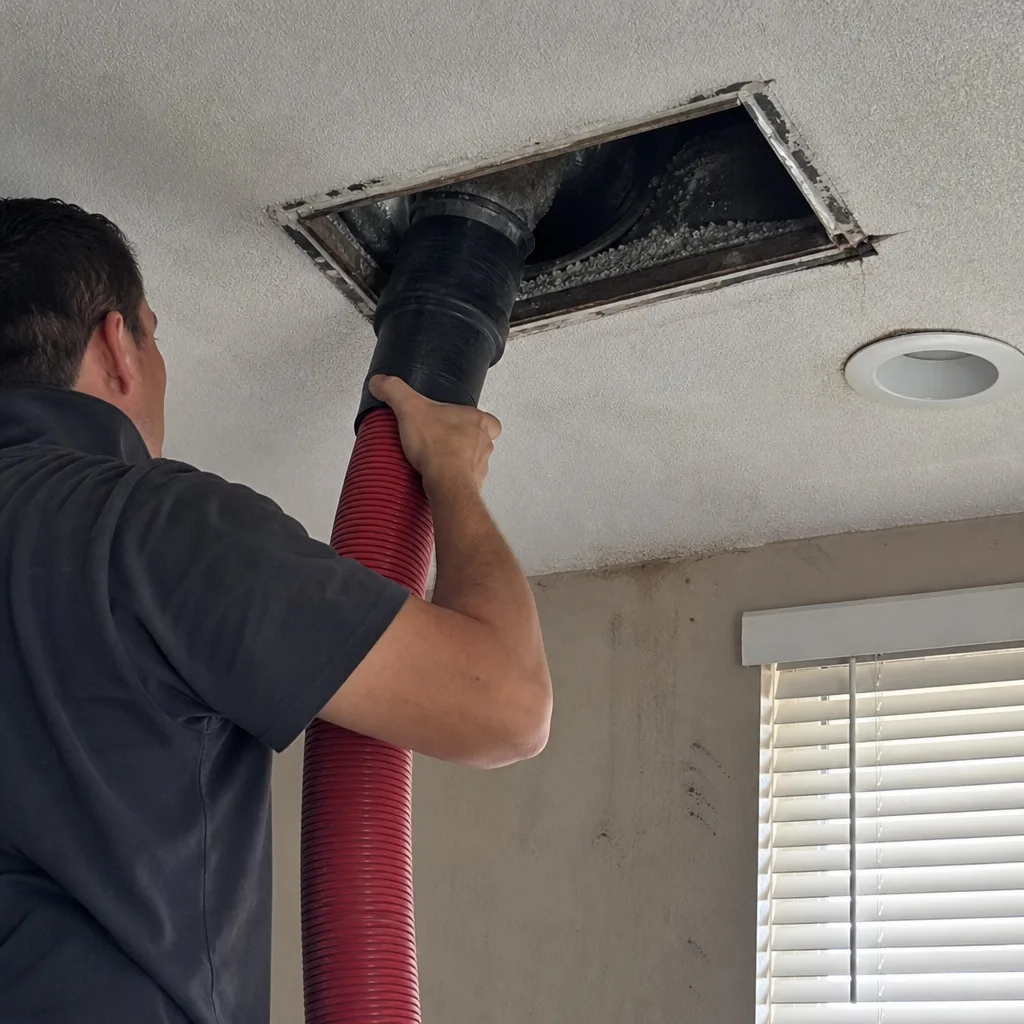
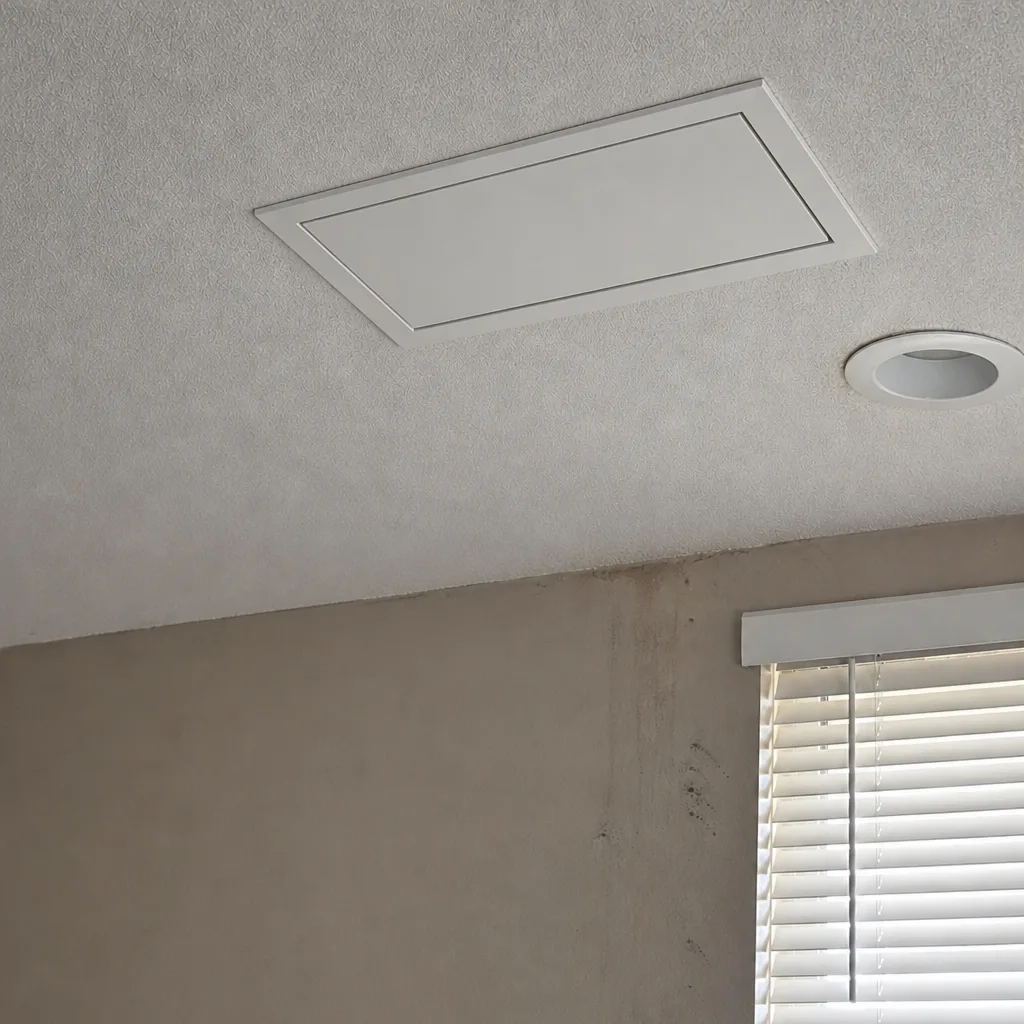
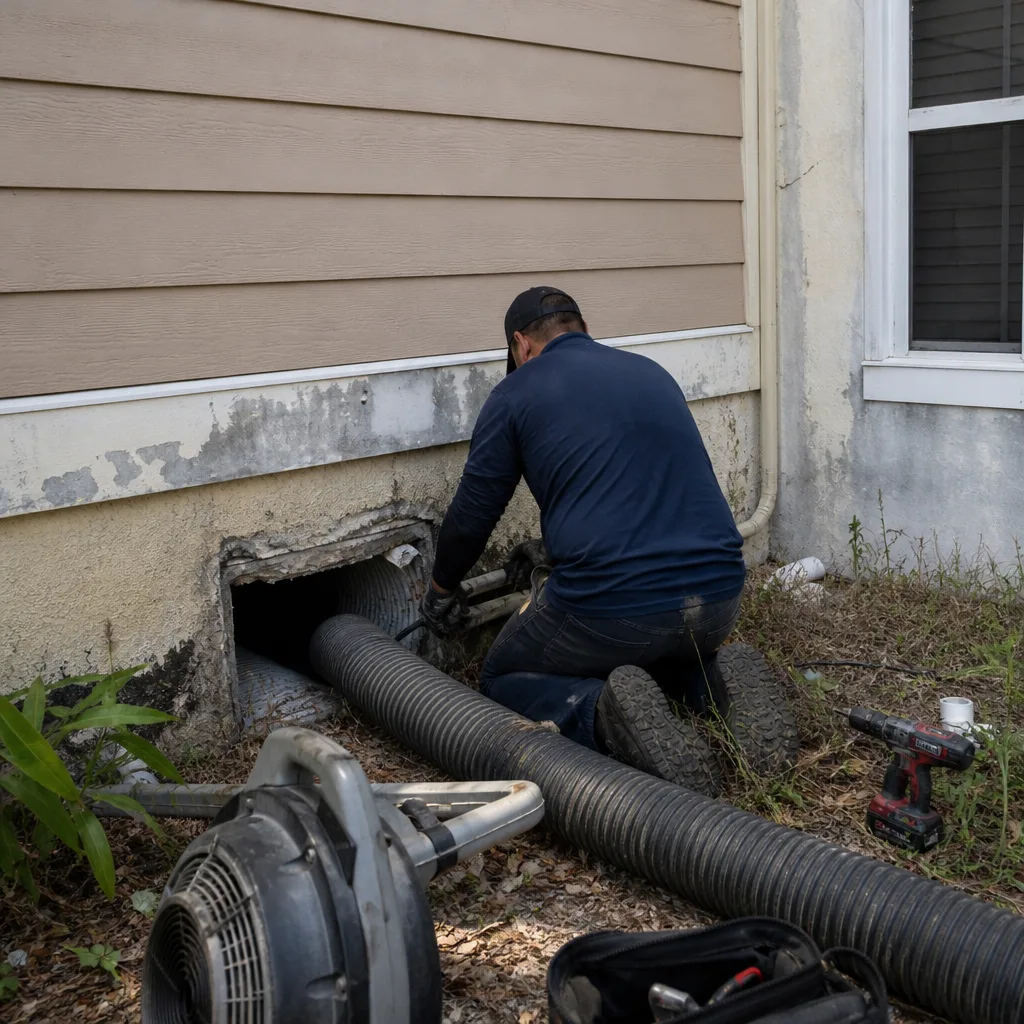
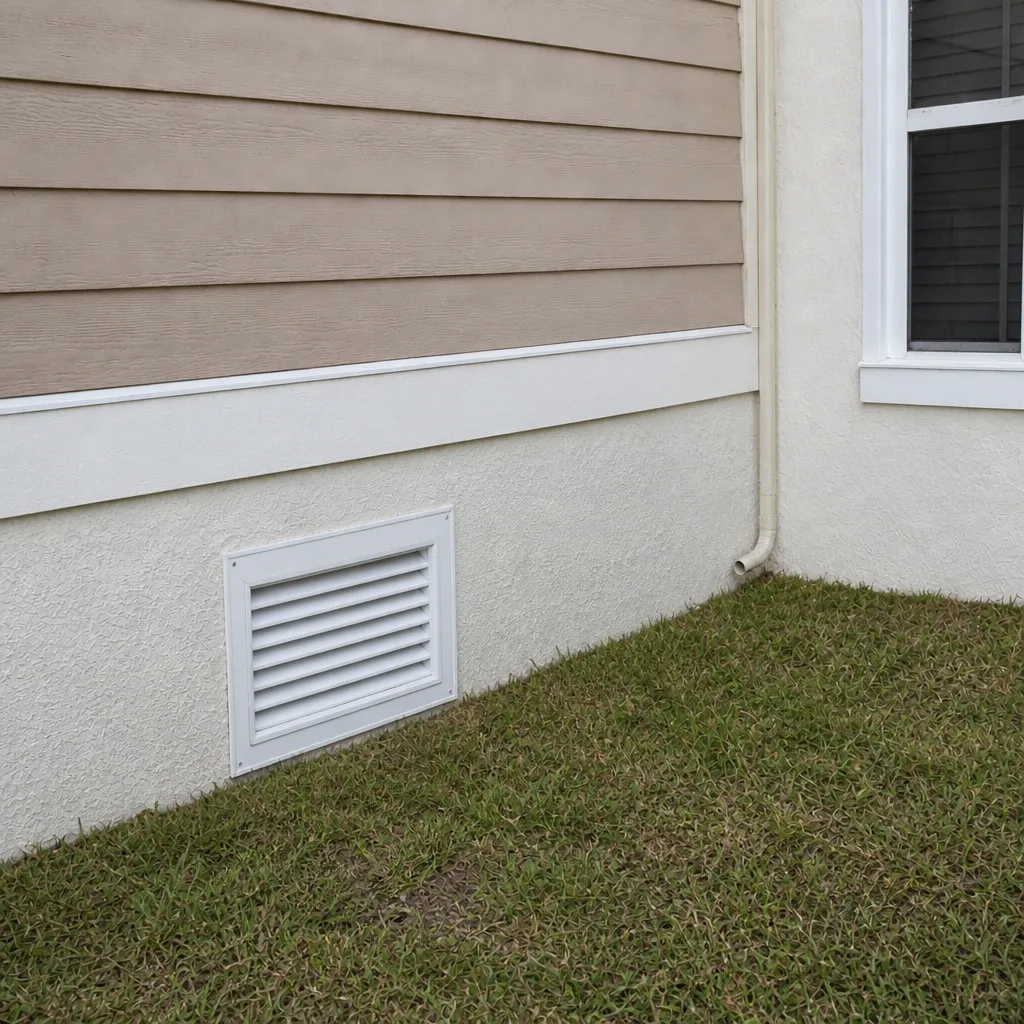
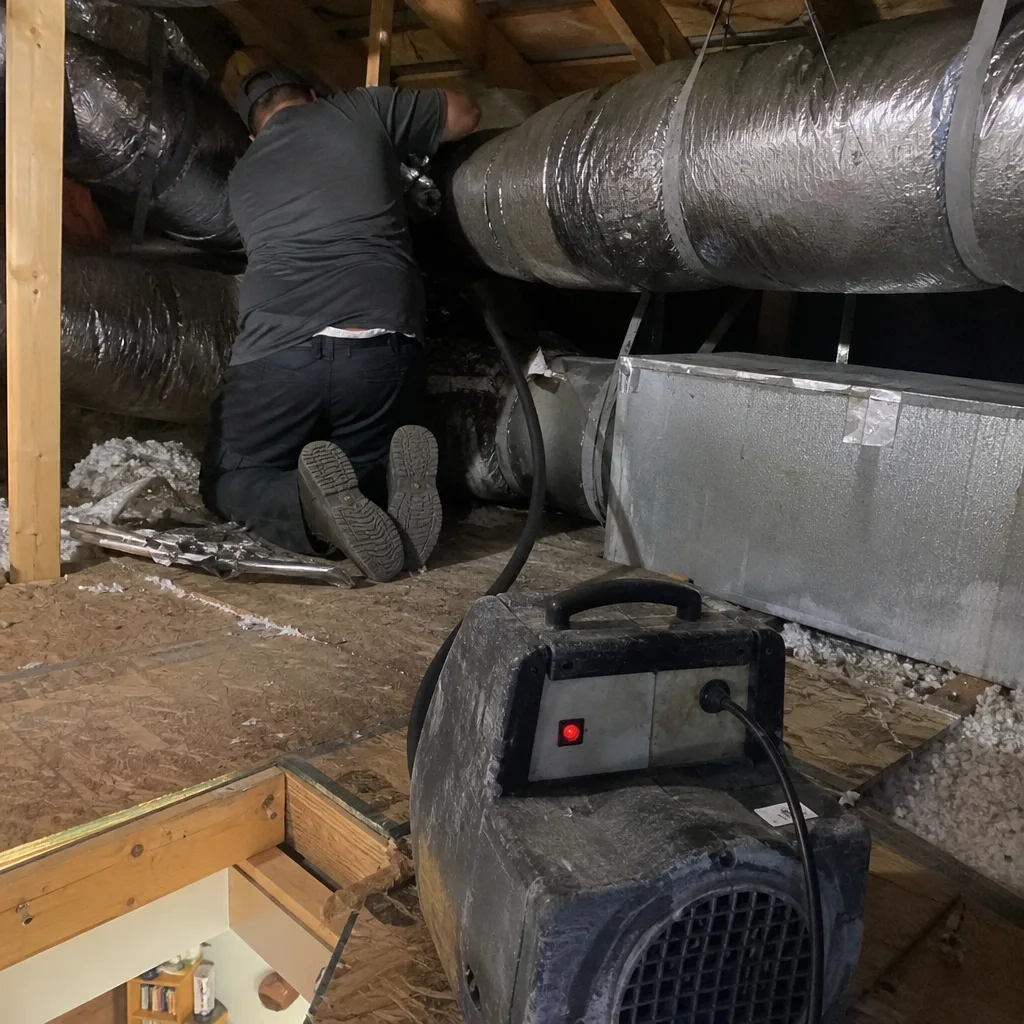
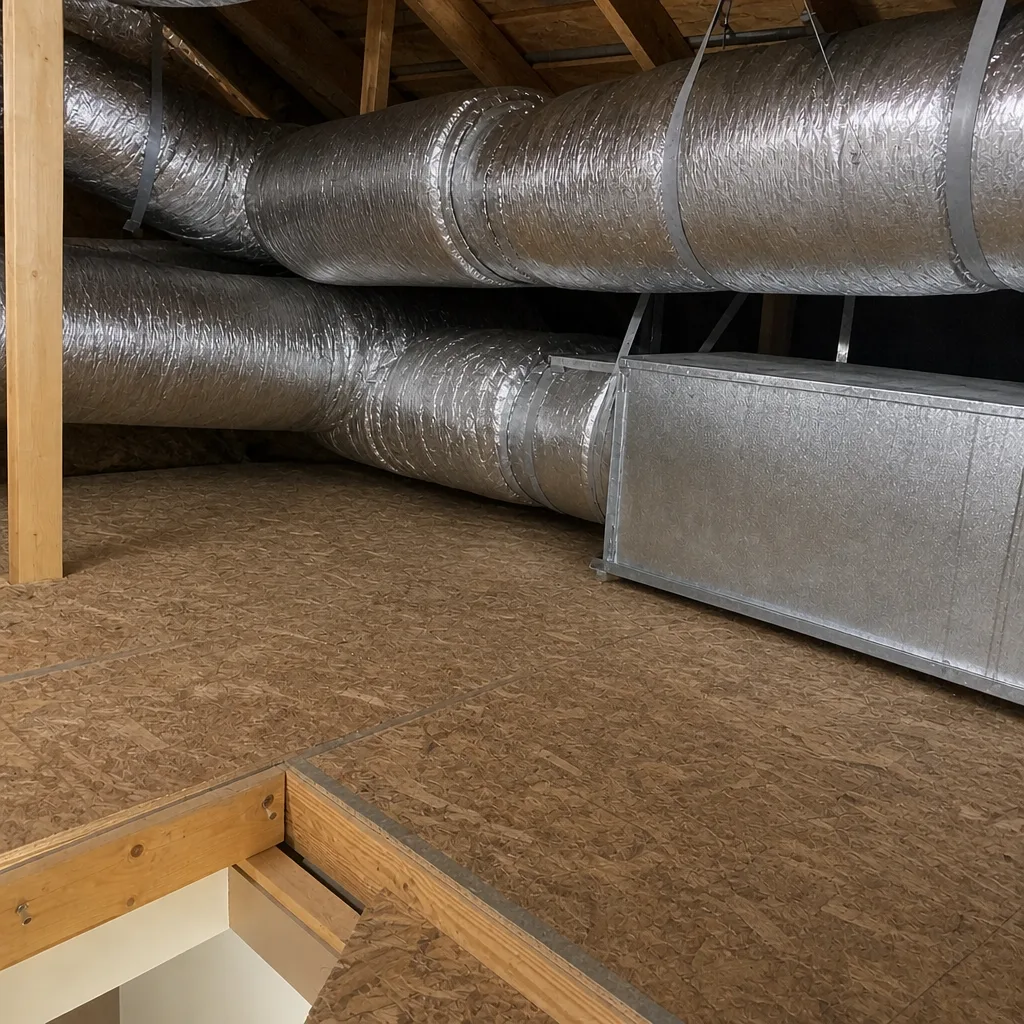
Whole-system duct and dryer vent check with before-and-after photos - you see exactly what came out of your vents
That "$99 whole-house special" is a bait ad - the real number appears once they are in your hallway, or the "clean" is a shop-vac at the register. We photograph the inside of your ducts before and after instead.
Choosing the Right Air Duct Cleaning Brand: A Buyer’s Guide for Deltona
Three companies can all print “professional duct cleaning” and “certified technicians” on the same flyer, and one of them hooks a truck-mount HEPA system to your trunk line, one rolls in a portable negative-air machine, and one drags a modified shop vac up the stairs. Nothing in the marketing tells you which is which. The duct cleaning trade has no standardized disclosure rules, so a homeowner in Deltona comparing brands is usually comparing brochures, not capability. This guide changes that. It explains the equipment questions that separate contractors in one phone call, what certification tiers actually mean on a job site, how to read a scope-of-work document before you book, and which review patterns carry signal and which are just volume.
Quick Answer
The right air duct cleaning brand in Deltona is the one that states its vacuum system and agitation method up front, documents the full scope of work in writing before booking, and can repair damaged ductwork rather than only clean around it. Ask two questions before anything else: what is the CFM rating of the vacuum, and does the crew use contact vacuuming or air-sweep agitation. A company that answers both clearly, and holds professional-grade equipment like Rotobrush or Nikro systems, is worth a serious conversation. One that hedges on either deserves the next call.
Styles & brands we work with
- Whole-home duct cleaning
- Dryer vent cleaning
- Camera inspection
- Sanitizing & deodorizing
Table of Contents
- The Two Equipment Questions That Separate Contractors Immediately
- Certification Tiers Decoded: Company, Technician, and None
- How to Read a Scope of Work Before You Book
- Local Specialist or National Franchise: What Actually Differs
- Review Signal vs. Review Noise
- Why Deltona Homes Present Specific Duct Conditions
- Your Duct System Is Bigger Than Your Ducts
- A Practical Booking Checklist
The Two Equipment Questions That Separate Contractors Immediately
Ask what vacuum system a contractor uses, and the answer sorts the market fast. A true duct cleaning vacuum is rated in CFM (cubic feet per minute) and is built to hold a duct system under continuous negative pressure while the crew works. The number to hear is a real CFM figure attached to a real machine. If the answer is “a commercial vacuum,” “a heavy-duty unit,” or a mumble, you’re talking to someone who hasn’t been trained to think in air movement. That matters, because cleaning ducts without enough suction is like sweeping a floor while a fan blows at you: debris lifts and settles somewhere else in the system.
The second question is how they agitate. Contact vacuuming means a hose and brush physically reach into the run and lift the debris, and air-sweep agitation means compressed air and mechanical whips drive material back toward the vacuum. Most thorough jobs use a combination, because supply trunks, branch runs, and plenum transitions each respond to different tools. Professional-grade systems like Rotobrush and Nikro are built around that combination. Consumer vacuums and bargain-bin tools are not, no matter how many attachments ship in the box. In our experience walking Deltona homes with slab-on-grade construction and short attic runs, the difference between a real negative-air setup and a shop vac shows up in the first fifteen minutes of a job.
Here’s the practical translation for a homeowner:
- A truck-mount system delivers high CFM and is common on larger jobs and remediation work. Ask whether the hose reaches every run or just the main trunk.
- A portable negative-air machine can still be a professional-grade tool, especially with HEPA filtration. Ask for the CFM rating and the filter class.
- Air-sweep agitation and contact vacuuming should both be mentioned. If only one is described, ask why the other isn’t used on your layout.
- Abatement Technologies filtration and containment equipment signals a crew used to remediation-level air control, not just surface cleaning.
You don’t need to become an equipment expert. You need to hear a specific, technical answer delivered without hesitation. That alone eliminates most of the field.
Certification Tiers Decoded: Company, Technician, and None
“Certified” is the word that causes more confusion in this trade than any other. There are three distinct things a company might mean, and they are not interchangeable.
- A NADCA-certified company. NADCA (the National Air Duct Cleaners Association) certifies companies that meet its standards for equipment, procedure, and documentation. Company-level certification means the business itself has committed to a defined process.
- An individual ACR-certified technician. ACR stands for Air Systems Cleaning Specialist, a credential held by an individual person, not a company. A crew with an ACR-certified technician has someone on site trained to assess a system and apply the standard.
- No certification at all. Plenty of crews in any metro area operate without either. That doesn’t automatically mean poor work, but it means you’re relying on the owner’s word and the crew’s habits, with no external standard underneath.
When you call a Deltona duct cleaning company, ask precisely: “Are you NADCA-certified as a company, and is there an ACR-certified technician on the crew that would service my home?” A company with both is demonstrating operational commitment, because maintaining company certification requires documentation and procedure that a one-off operation doesn’t carry. Some companies will tell you they follow NADCA standards without holding certification, which is worth knowing but isn’t the same thing. Certifications change over time, so ask on the call rather than trusting a badge on a website that hasn’t been updated.
Pair the certification question with the equipment question and you already have a sharper read on a duct cleaning brand than most homeowners get after three quotes.
How to Read a Scope of Work Before You Book
The scope of work is where vague language hides, and it’s the single most useful document to request before you book. A legitimate air duct cleaning brand will put the scope in writing before the visit. Here’s what should be explicitly listed, and what should make you pause.
- Which components are included: supply and return ducts, plenum, registers, grilles, main trunk, branch runs, and the air handler or coil area, stated individually.
- Method for each component: contact vacuuming, air-sweep agitation, or both, and for which runs.
- Filtration and containment: what machine, what filter class, and whether negative pressure is maintained during the work.
- Before-and-after documentation: photos or video of your own ducts, not stock images.
- Repair clause: what happens if damaged or disconnected ductwork is found during the job, and whether the company can repair it or hands you off to a second contractor.
- Written estimate and final price: one flat price per system, agreed before work starts.
- Dryer vent: whether it’s included, quoted separately, or omitted entirely.
Words that should raise an eyebrow: “full cleaning,” “complete service,” “all ducts,” and “standard job” with no component list underneath. They aren’t lies, but they aren’t commitments either. If a quote reads “duct cleaning, $X” with nothing more specific, ask for the component list in writing. A professional-grade operation will produce it without friction, because they already track it. For a closer look at what a properly scoped job includes, see our page on air duct cleaning.
One more thing on documentation: the before-and-after photos should be of your system. Stock photos of dusty vent covers prove nothing. Ask directly whether the crew photographs the inside of your ducts before and after, and how those photos reach you.
Local Specialist or National Franchise: What Actually Differs
The local-versus-franchise question is usually framed as a personality preference, but it’s really a question of accountability structure, equipment ownership, and warranty terms.
- Accountability. A local specialist’s reputation lives entirely in the Deltona market. Word travels through neighborhoods fast. A franchise has a national brand to lean on and a local operator whose quality may vary from branch to branch. Neither arrangement is automatically better, but they fail differently.
- Equipment ownership. Ask whether the company owns its Rotobrush or Nikro system or rents it for larger jobs. Equipment ownership usually indicates a commitment to duct work as a primary line, not a sideline added to a general handyman operation.
- Warranty and follow-up. Franchise warranties may be standardized nationally and honored through a corporate process. Local warranties are usually simpler to invoke but depend on the operator staying in business. Read the warranty wording, whatever the size of the company.
- Scope breadth. Some single-service crews clean ducts and only ducts. Others clean, repair, and cross-check your dryer vent. A brand that covers the whole duct system saves you coordinating multiple contractors when damage turns up mid-job.
For Deltona homeowners specifically, geography matters less than it once did, because national brands and local specialists both reach the city. What matters is the person who answers the phone and whether they can name their equipment and their documentation standard. Neighborhoods across Deltona, from Deltona Lakes to Saxon Ridge, share the same household concerns: allergy triggers, HVAC efficiency in a humid climate, and older homes where ducts haven’t been touched in years. A specialist who understands that context has an edge over a generalist who cleans ducts as an afterthought.
Throughout this guide, we’re writing as a Deltona duct specialist. We’d rather you choose the right brand, whether or not it’s ours. To see how we work in Deltona, the city page lays out our service area and the systems we handle.
Review Signal vs. Review Noise
Online reviews are useful, but only if you read them for pattern rather than volume. A brand with hundreds of short five-star reviews and a handful of long, detailed ones may simply be better at collecting feedback than at the work. Here’s how to separate signal from noise.
Signal patterns:
- Reviews that name specific equipment, method, or documentation, like “showed me the before-and-after photos” or “flagged a disconnected duct and repaired it.”
- Reviews that mention the crew explaining what they found, not just arriving and leaving.
- Detailed negative reviews that get a substantive company response, and negative reviews that read as a single disappointment rather than a pattern.
- A consistent mix of long and short reviews across years, which suggests organic feedback rather than a burst of incentivized reviews.
Noise patterns:
- Clusters of reviews posted in a short window with similar phrasing.
- Reviews that praise a specific person by name rather than the work.
- No reviews mentioning the actual equipment or the documentation process.
- Negative reviews answered with generic corporate apologies rather than specifics.
Read the negative reviews especially closely. One angry customer who felt rushed is normal in any trade. Multiple negative reviews around the same theme, like scope surprises, undisclosed charges, or no documentation, is a pattern. That’s the signal worth acting on. In our experience, the most useful review a homeowner can find is one that describes a mid-job discovery and how the crew handled it.
For a full-system comparison including how we handle duct repair, our main page at Deltona Duct Cleaning is the best place to start.
Why Deltona Homes Present Specific Duct Conditions
Deltona’s climate shapes what ends up in ductwork in ways a company operating elsewhere may not anticipate. Winters here are mild, so the HVAC system runs hard through long cooling seasons and gently through the brief cool months. That pattern means continuous airflow for most of the year, which keeps humidity cycling through the duct system rather than letting it dry out during a hard heating season. In practice, that’s a recipe for organic buildup in a system that never gets a long break.
What a Deltona homeowner should expect to find during a professional inspection, generally speaking:
- Dust and debris accumulation in branch runs, especially on longer attic routes.
- Moisture-related buildup in plenum transitions where condensation forms.
- Compromised or disconnected flex duct in older homes whose attic assemblies have been repaired or modified over the years.
- Dryer vent lint accumulation, which is a separate but related system and worth checking on the same visit.
Slab-on-grade construction is common in Deltona, which usually means duct runs in the attic rather than a basement. That configuration affects how a crew accesses the runs and how much negative pressure the vacuum needs to hold. A specialist familiar with local housing stock knows this before the first question. An out-of-area crew should be asked how they plan to handle attic runs and whether the hose and machine can hold pressure across longer branch lengths.
We don’t consider ourselves a branding exercise here. The technical reality is that Deltona’s climate and construction respond best to a crew with the right equipment, the right agitation method, and the ability to repair what they find. See our page on dryer vent cleaning for the parallel conversation on the second air system in your home.
Your Duct System Is Bigger Than Your Ducts
A common blind spot in a brand comparison: not every duct company handles the full ecosystem. Some clean ducts only. Some clean ducts and dryer vents but hand off repair. Some offer air quality upgrades. Before booking any brand, ask which of these three areas they cover.
- Air duct cleaning. Cleaning and agitation of supply and return runs, plenum, and the components named in the scope.
- Dryer vent cleaning. Your dryer vent is part of your home’s air system too, and it’s often skipped by companies that only service HVAC ducts.
- Air duct repair. Disconnected, crushed, or moisture-damaged ducting is common in older homes. A cleaning-only crew will clean what’s intact and leave the damage untouched.
The repair capability is the differentiator most homeowners never think to ask about, and it’s the one that catches you mid-job. If a crew starts cleaning and finds a disconnected run, you want a company that can fix it, not one that hands you a second contractor’s number. Our full-service duct system covers all three areas because the alternative is coordinating someone else’s schedule while your ducts sit open.
A related question is whether the brand handles air quality product lines. Companies that work with manufacturers like Aprilaire and Honeywell can recommend and service whole-home solutions when a cleaning reveals a filtration or ventilation need. That’s not a reason to choose a company, but it’s a useful sign of professional depth. Similarly, brands using Abatement Technologies equipment are signaling they handle remediation-grade air control, not just surface cleaning. If you hear those names on the call, ask what role they play in a standard job.
A Practical Booking Checklist
Bring this list to the call. Each item is a hard signal you can evaluate in a five-minute conversation.
- Ask for the CFM rating of the vacuum system. A professional-grade crew answers without hesitation.
- Ask whether they use contact vacuuming, air-sweep agitation, or both. A single-method answer invites a follow-up question.
- Ask about company certification and technician credentials. NADCA company certification and ACR technician certification, or a clear explanation of what’s held instead.
- Request a written scope with component list. Supply, return, plenum, main trunk, branches, air handler, registers, and whether the dryer vent is included.
- Ask about before-and-after photos of your own system. The answer should describe how the photos reach you.
- Confirm repair capability. What happens if damaged ductwork is discovered mid-job.
- Confirm one flat price per system, agreed before work starts. Any per-vent or per-register pricing invites scope creep.
- Read a couple of long reviews, not just the star average. Look for equipment and documentation mentions.
Our technicians have up to 8 years of experience, and they’ve walked enough Deltona homes to know what an attic run looks like before opening the access panel. Professional-grade equipment, not consumer shortcuts, is what we lead with, because it’s the part of a duct cleaning brand you can actually verify.
Common Mistakes to Avoid
- Booking on price alone. A bargain rate is often a signal that the crew uses consumer-grade tools with no real negative-air capability. The cleaning will look done and fail to hold.
- Assuming “certified” means the same thing everywhere. Company-level NADCA certification and individual ACR certification are different things, and some crews hold neither. Ask which, specifically.
- Skipping the scope of work. A quote that says “full duct cleaning” without naming components leaves the definition of “full” entirely in the crew’s hands.
- Ignoring the dryer vent. It’s a second air system in the same home, and cleaning only one leaves half the job on the table.
- Not asking whether the company can repair ducting. Disconnected runs are common in Deltona’s older housing stock, and a cleaning-only crew will leave them disconnected.
- Reading only the star average. A brand with hundreds of short reviews and no detail tells you less than a brand with fewer, longer reviews that name the equipment and the process.
- Assuming a franchise brand means consistent quality. Local operators deliver the actual work. Read local reviews of the branch, not just the national brand.
See the difference
 Before
 After
 Before
 After
 Before
 After
When to Call a Professional
You don’t need a reason to have your ducts evaluated, but some circumstances make a professional visit more clearly worthwhile. If you’ve recently bought an older Deltona home and don’t know the last time the ducts were cleaned, an inspection and cleaning is a sensible baseline. If you’ve noticed new dust settling on surfaces faster than it used to, an imbalance or disconnected run may be pulling debris into the living space. If allergies in the household have gotten worse without a clear cause, the duct system is one of the places to rule out. If the dryer is taking longer than it used to dry a load, the dryer vent is a separate and important conversation. And if a previous crew cleaned your ducts but never opened the attic or showed you photos, a second opinion from a duct specialist is a reasonable next step. Deltona Duct Cleaning offers free estimates in Deltona, and a single call covers air ducts, dryer vents, and duct repair under one roof. Call (844) 980-4682. We answer 24/7. Fast dispatch from 7am to 7pm, Sunday through Friday.
Frequently Asked Questions
Ask for the CFM rating of the vacuum system and whether the crew uses contact vacuuming, air-sweep agitation, or both. A professional-grade crew answers both with specifics. If the answer is “a commercial vacuum” with no rating, that’s a company to keep questioning. Professional-grade systems like Rotobrush and Nikro are designed around continuous negative pressure and mechanical agitation, and a crew using them talks about both naturally. Call (844) 980-4682 for an exact quote on your Deltona home.
NADCA certification applies to the company and means the business has committed to the association’s standards for equipment, procedure, and documentation. ACR (Air Systems Cleaning Specialist) certification applies to an individual technician. You want to know both. Ask on the call which credentials the company holds and whether the crew servicing your home includes an ACR-certified technician. The best answer is a clear, specific one; a company that hedges on either credential probably holds neither. Call (844) 980-4682 and we’ll walk you through what we hold.
Low quotes usually reflect one of three things: consumer-grade equipment instead of a true negative-air system, a scope of work that excludes plenum or branch runs, or per-vent pricing that expands once the crew is on site. Professional-grade cleaning requires a real vacuum system, proper containment, and time to work every component. Ask for a written scope that names each component and the method used on each. One flat price per system, agreed before work starts, is the structure that protects you.
They’re separate systems and either can be done independently, but they’re worth evaluating together because the same crew is already in the home. Dryer vent debris is a common finding in any Deltona home where the vent hasn’t been checked in several years. If you’re booking duct cleaning, ask whether the dryer vent is included in the scope or quoted separately. A specialist that handles both saves you a second appointment.
It depends on the company. Cleaning-only crews often cannot repair disconnected, crushed, or moisture-damaged ducting and will hand you off to a second contractor. Ask directly before booking: what happens if damage is found mid-job. A duct specialist that offers repair as part of the service can fix what’s found while the system is open, which is simpler than coordinating two schedules. Our air duct repair service exists for exactly that reason.
Before-and-after photos of your own ducts, not stock images, are the standard you should ask for. A crew that photographs the inside of the ductwork before and after gives you a verifiable record. Combined with a written scope that names each component and the method used, you have documentation of what happened. If a company can’t describe how photos reach you, that’s a signal. Call (844) 980-4682 for an estimate and ask us how documentation works.
The Bottom Line
Choosing an air duct cleaning brand in Deltona comes down to evidence you can verify before anyone arrives. Ask for the CFM rating of the vacuum. Ask about agitation method. Ask which certifications are held and by whom. Request a written scope that names every component. Ask whether the company can repair damaged ducting or only clean around it. Read long reviews for equipment and documentation mentions, and treat the negative reviews as the most useful signal in the set. A specialist who answers all of that clearly, and who works with professional-grade equipment on the whole duct system, is worth the call. The rest is marketing.
Deltona Duct Cleaning specializes in air duct cleaning, dryer vent cleaning, and air duct repair. Our technicians have up to 8 years of experience, and we use professional-grade Rotobrush, Nikro, and Abatement Technologies equipment. For a free estimate, call (844) 980-4682. We answer 24/7. Fast dispatch from 7am to 7pm, Sunday through Friday. Closed Saturday.
Written by the team at Deltona Duct Cleaning.