
Last updated November 16, 2026
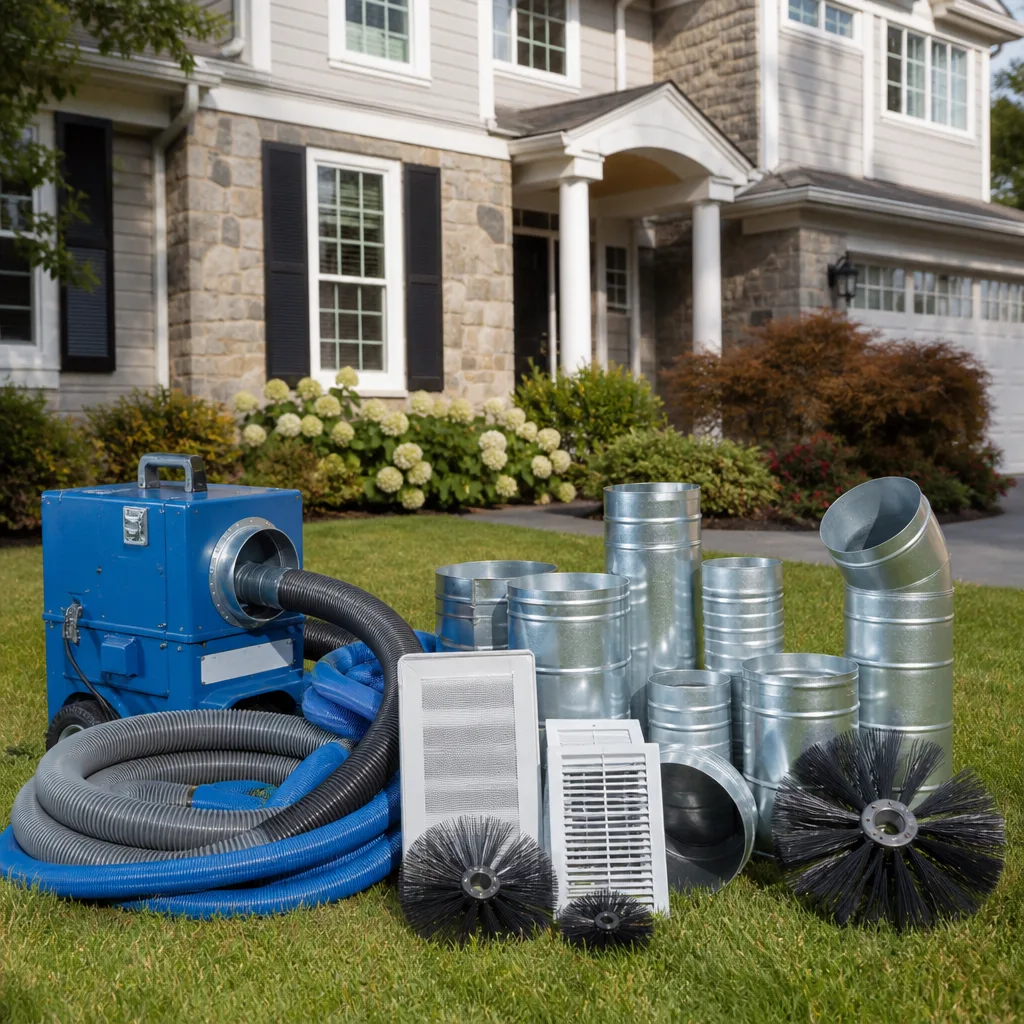 Whole-home duct cleaning
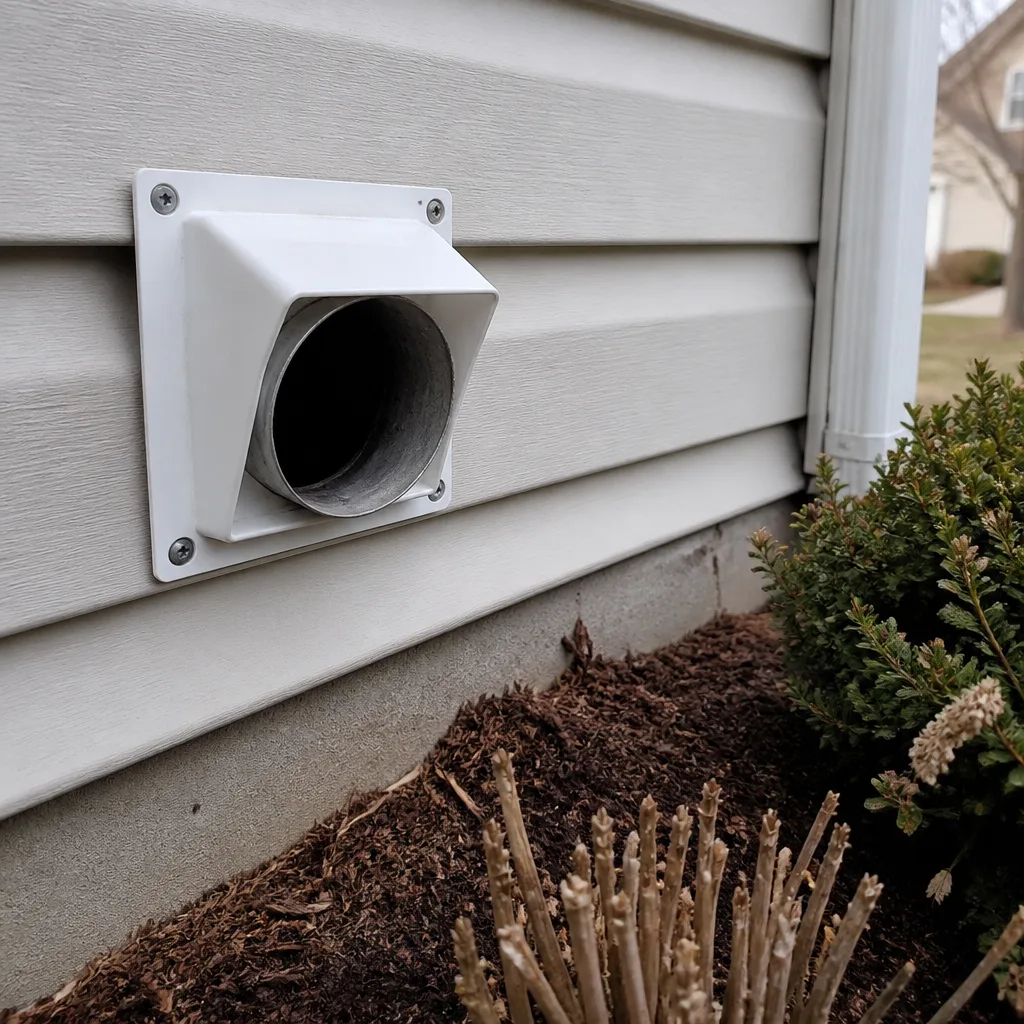 Dryer vent cleaning
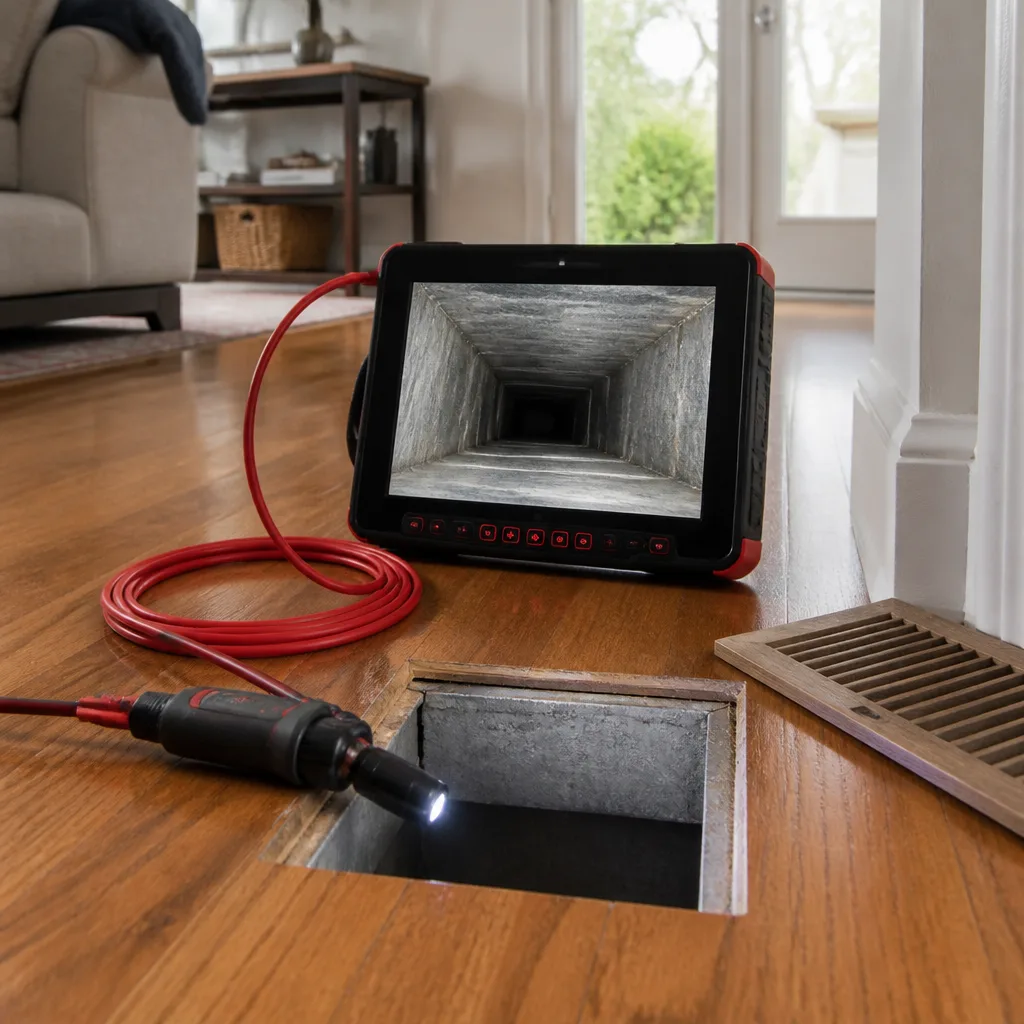 Camera inspection
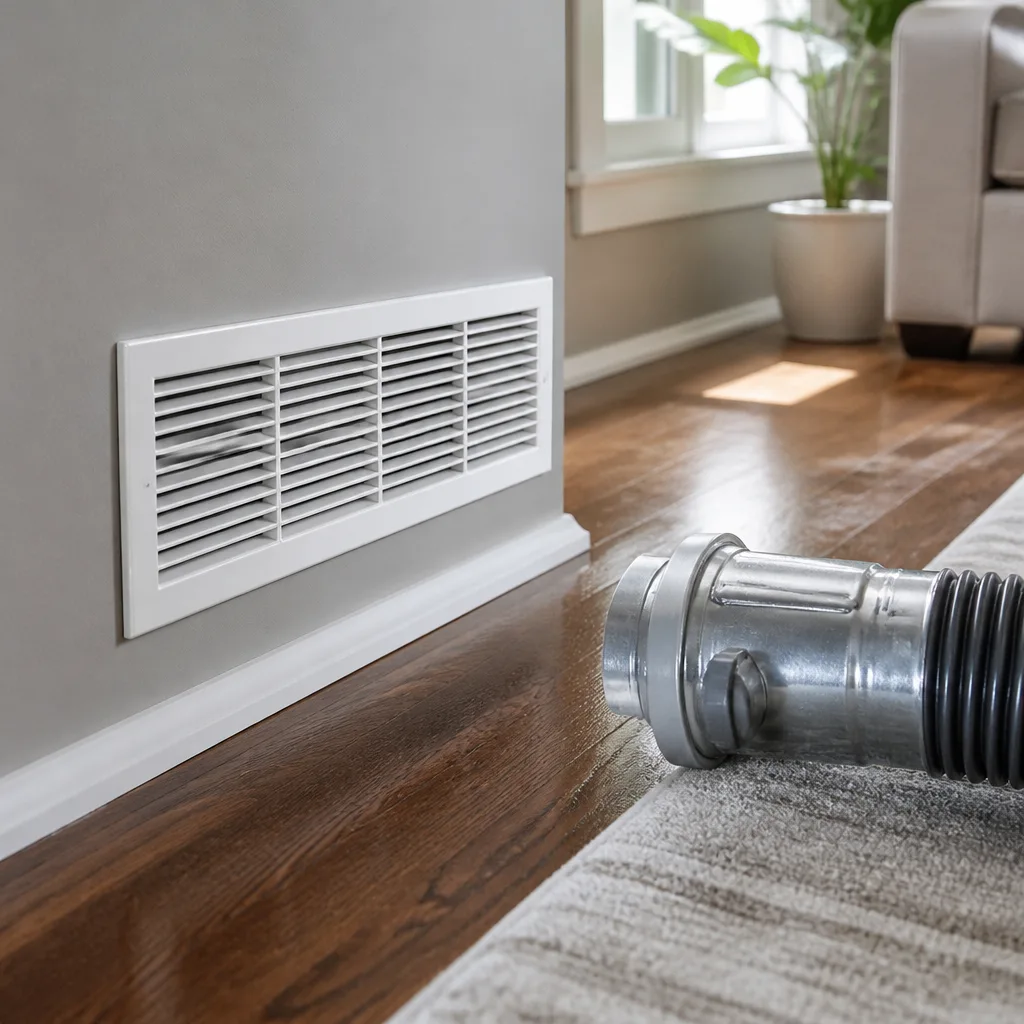 Sanitizing & deodorizing
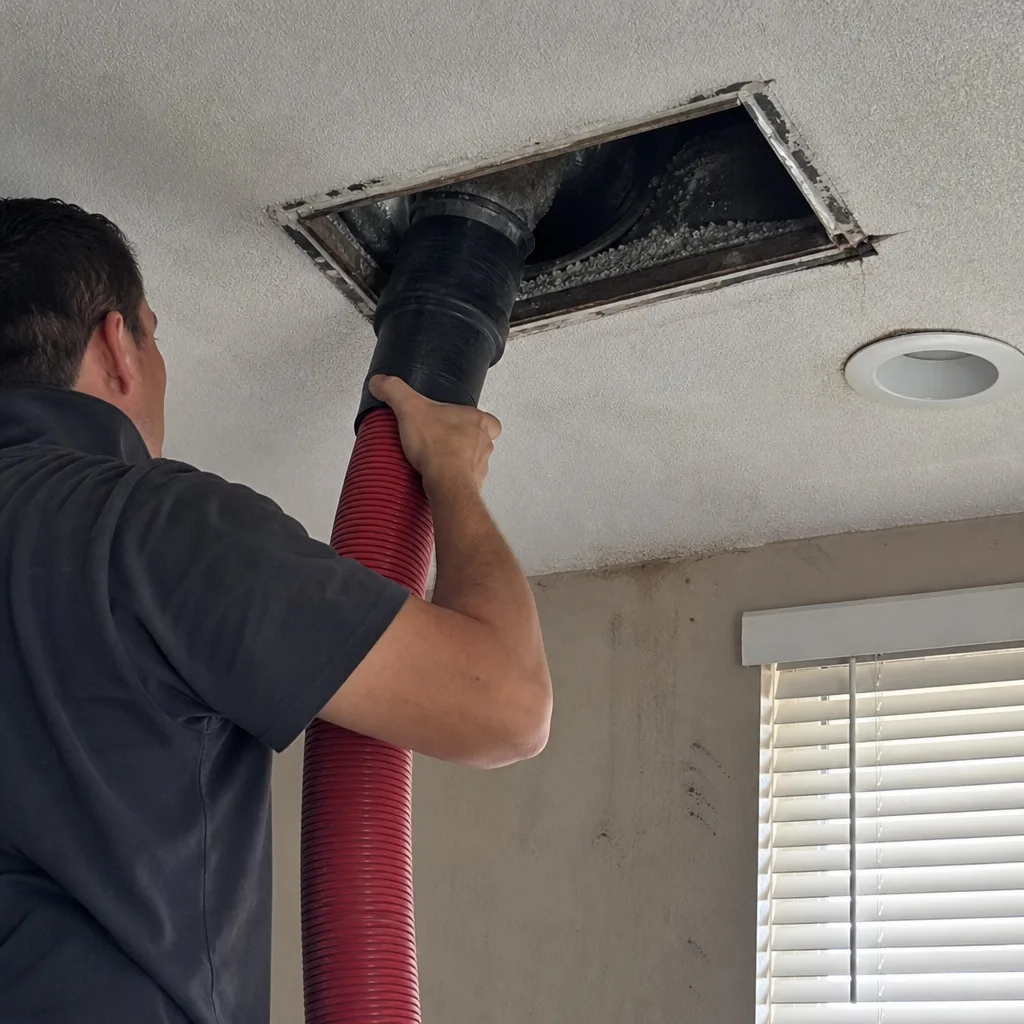
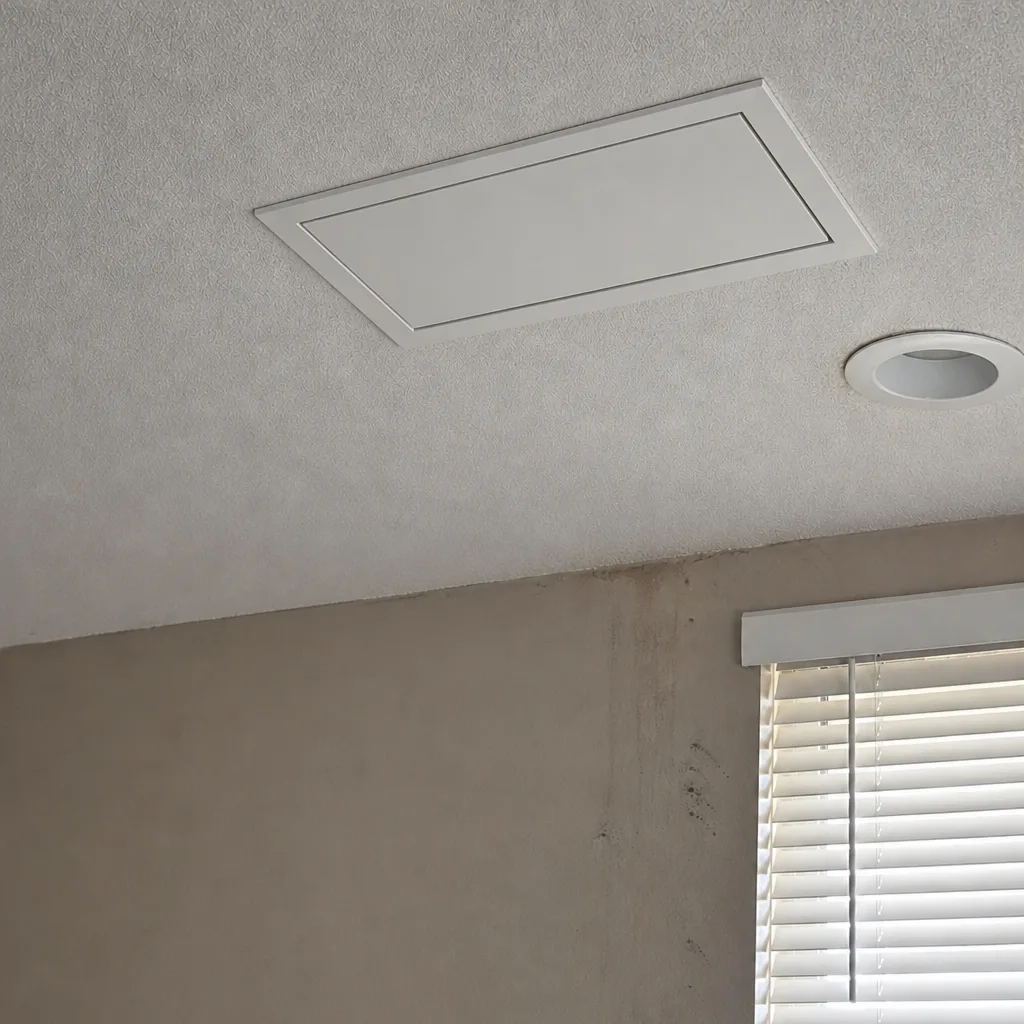
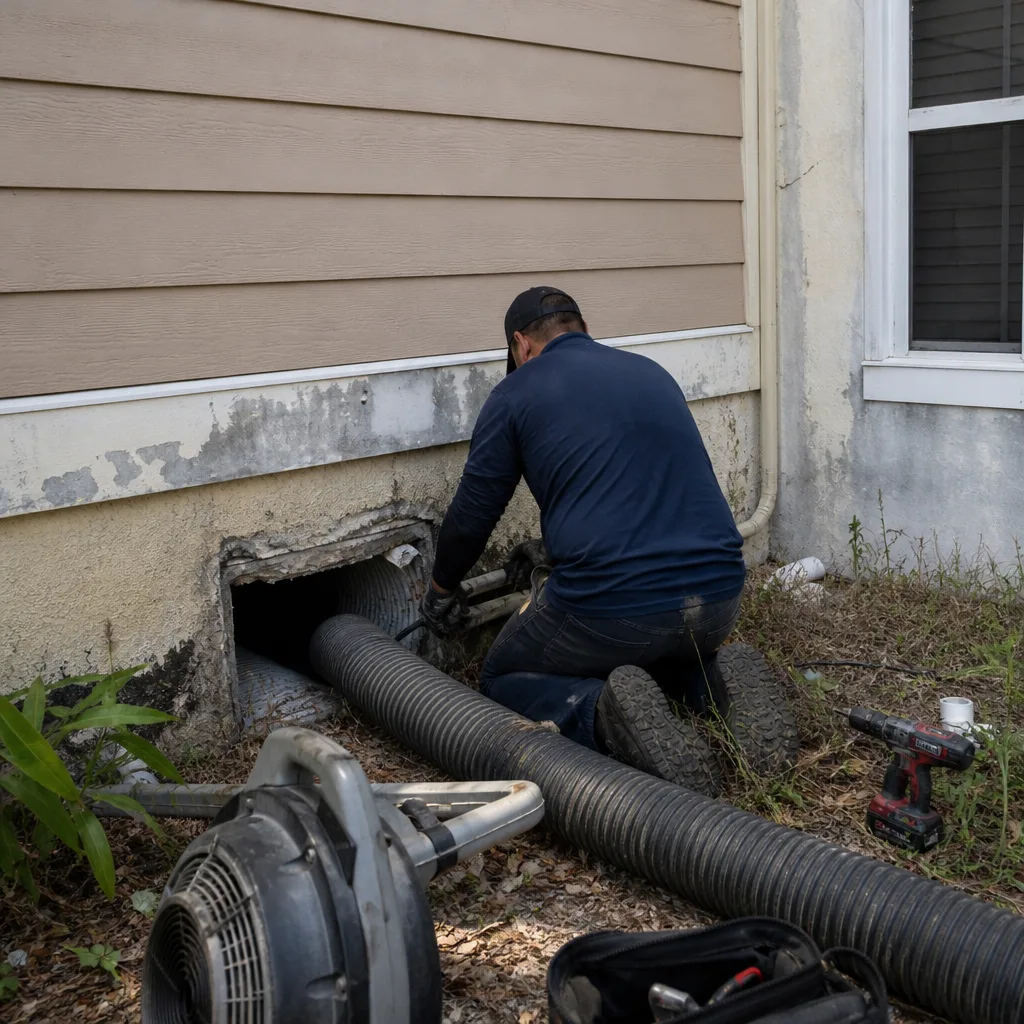
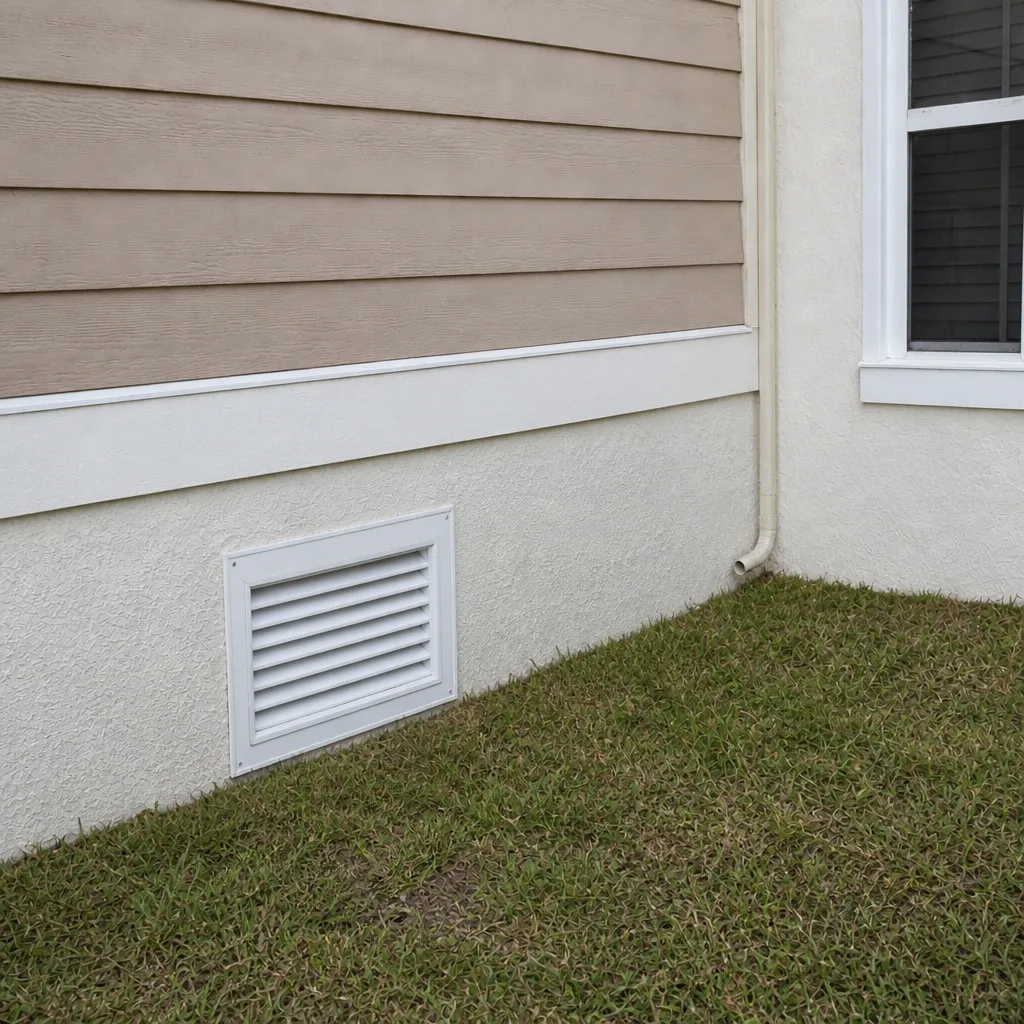
Whole-system duct and dryer vent check with before-and-after photos - you see exactly what came out of your vents
That "$99 whole-house special" is a bait ad - the real number appears once they are in your hallway, or the "clean" is a shop-vac at the register. We photograph the inside of your ducts before and after instead.
How to Hire an Air Duct Cleaning Contractor in Deltona: A Step-by-Step Guide
Any contractor in Florida can legally market air duct cleaning services without holding a single trade-specific certification, which is why the cheapest quote in your inbox is often submitted within minutes of your web search. Licensed status in Florida speaks to general contracting rules, not to whether someone knows how negative pressure works or which brush head suits flex duct. That gap leaves the entire vetting process to you, the homeowner, and most hiring guides skip the three equipment questions that actually separate a source-removal professional from someone running a truck-mount vacuum through your registers. This guide walks you through those questions and everything else that matters when you’re choosing a contractor in Deltona. By the end, you’ll know exactly what to ask, what documents to request, and what red flags should end the conversation.
Quick Answer
To hire an air duct cleaning contractor in Deltona, verify that they use a truck-mounted or portable vacuum rated for the job, ask what brush system and containment method they use, confirm active NADCA membership if claimed, and request a written scope of work listing every component to be cleaned. Legitimate contractors quote by the number of vents and system components, not by square footage, and they document the work with before-and-after photos at interior access points. The cheapest quote is usually cheap because equipment and time were left out of the job.
Styles & brands we work with
- Whole-home duct cleaning
- Dryer vent cleaning
- Camera inspection
- Sanitizing & deodorizing
Table of Contents
- Why Duct Cleaning Has No Trade-Specific License in Florida
- The Three Equipment Questions to Ask Before You Schedule
- What NADCA Membership Actually Means and Doesn’t
- How to Read a Quote: Red Flags and Square Footage Pricing
- Requesting a Scope of Work and What Belongs in It
- Post-Service Documentation: Proven Work, Not Promises
- Why Full-System Capability Matters
- When to Call a Professional
Why Duct Cleaning Has No Trade-Specific License in Florida
Florida does not issue a license specifically for air duct cleaning. A company can register a business, buy a vacuum, print a logo, and advertise duct cleaning the same week. General contractor licensing exists, but it covers building and remodeling scopes, not the inside of your HVAC system. That isn’t a knock on the state. It’s simply a fact that shifts responsibility onto you when you hire.
What does this mean in practice? It means “licensed” on a website tells you something about general business legitimacy, but not whether the technician on your property has ever cleaned a trunk line. Insurance matters more than license class for this trade. Ask for a certificate of insurance showing general liability coverage. A company with real coverage will send it without argument.
Deltona has a large share of homes built in the 1980s and 1990s, when flex duct was the default installation in Central Florida tract construction. Older flex duct sags, kinks at turns, and loosens at connections over the years. A cleaning that ignores the state of that ductwork can loosen more debris than it removes. That’s why the equipment and repair capability behind a contractor matter as much as the license they hold. In our experience, a company that can inspect, clean, and repair the same system avoids the situation where a homeowner has to call a second contractor once the ducts are opened up.
Before you schedule anyone in Deltona, ask three things: who will physically do the work, what equipment they’ll use, and what happens if they find damage. A plain answer to all three tells you far more than a business license ever will.
The Three Equipment Questions to Ask Before You Schedule
Equipment questions end most of the guesswork. A contractor who cleans ducts for a living can answer them off the top of their head. One who can’t is telling you everything you need to know. Ask these before any appointment is booked.
- What is the CFM rating of your vacuum system? CFM, or cubic feet per minute, measures how much air the vacuum moves. A system that moves enough air creates actual negative pressure in the ductwork, which is what pulls debris toward the collection point instead of into the room. Ask for the rating and ask whether the vacuum is truck-mounted or portable. A unit that can’t create genuine negative pressure is essentially a shop vacuum with a long hose.
- What brush system do you use? There are several types: forward-and-reverse rotating brushes, rotary whip systems for flex duct, and compressed-air tools for tight corners. The right system depends on the duct material. Flex duct needs gentler tooling than rigid galvanized metal. Professional systems from manufacturers like Rotobrush and Nikro were designed specifically for duct interiors and include heads sized to different duct dimensions. Ask which system they use and why they choose it for your type of ductwork.
- How do you create negative pressure containment? This is the question most homeowners never think to ask. Negative pressure containment means the duct system is sealed and held under vacuum during the cleaning, so the debris is captured rather than circulated into your living space. Ask what equipment they use for containment and how they seal registers during the job. If the answer is vague, that’s a red flag.
Write down the answers. A professional will happily provide them. Someone working from a coupon flyer often won’t. In Deltona, where many homes have flex duct runs in the attic, the containment question has real weight. A loose connection during cleaning can push dust straight into the living space below.
What NADCA Membership Actually Means and Doesn’t
NADCA stands for the National Air Duct Cleaners Association. It publishes an industry standard called ACR (Assessment, Cleaning, and Restoration of HVAC Systems) that lays out how a proper cleaning should be performed. That standard is worth knowing about because it gives you a way to judge whether what a contractor describes matches recognized industry practice. Membership, though, is not a license and does not guarantee the quality of any individual job. It tells you a company has joined a trade organization. It doesn’t tell you who is doing the work or what equipment arrives on the day.
What it does mean is that the contractor has access to the ACR standard and the association’s certification programs. Some NADCA members hold the Air Systems Cleaning Specialist (ASCS) credential, which requires training and testing. If a company claims NADCA membership, ask to see the certificate and verify the company’s status directly with NADCA. Membership lapses. A company that was a member five years ago may not be one now, and a website can say anything it likes.
We’ve seen homeowners in Deltona get burned by companies that list NADCA membership but can’t produce a current certificate. Verification takes about five minutes and it’s the single fastest way to separate a real professional outfit from a marketing page. If a company is hesitant to provide it, don’t press harder, just move on.
For related work, like air duct cleaning, the same standard applies. Ask about NADCA, ask about ACR, and ask for the certificate. Then verify it yourself.
How to Read a Quote: Red Flags and Square Footage Pricing
Quotes come in three flavors: flat-fee per system, price per vent, and square footage pricing. Only one of those is how legitimate contractors actually quote for a full cleaning. Let’s break them down.
Square footage pricing is the clearest red flag. A house isn’t a duct system. Two 2,000-square-foot homes can have wildly different duct layouts, vent counts, and component complexity. A quote based on square footage is a number someone pulled from a spreadsheet, not a pricing decision built around your home’s actual HVAC infrastructure. If a contractor quotes “$X for up to 2,500 square feet,” ask how they arrived at it and what happens if your system has 14 vents instead of 8.
Per-vent pricing isn’t automatically wrong, but the price per vent should be presented alongside a full-system number, not as a bait-and-switch. A low per-vent rate that balloons once a technician is on-site is a classic quote tactic. You can’t compare it against anything.
Flat-fee per-system pricing stated in writing, after inspection of the number of vents, components, and system layout, is what a professional quote looks like. Ask for that in writing. Get the number in a document.
Other red flags in a Deltona quote:
- A price so low it doesn’t make sense for the equipment involved (a real duct cleaning job with professional gear takes time and labor, and that price has to come from somewhere).
- No mention of what components will be cleaned. Registers only? Trunk lines as well? Return and supply sides? Blower compartment?
- No inspection before cleaning. A legitimate contractor looks at the system before quoting.
- Any promotional figure that isn’t the actual quote for the job. Coupon pricing is a starting point, but the written estimate is the real number.
- Pressure to book on the phone before any inspection visit.
If someone quotes a number over the phone without seeing anything, ask what that price covers. If the answer shifts, you already know what kind of job you’re about to buy.
Requesting a Scope of Work and What Belongs in It
The scope of work is the document that protects you. Most homeowners never ask for one. When a dispute comes up later, “they said they’d clean everything” doesn’t hold up. A written scope does. Ask for one before work begins. A professional should have no problem providing it.
Here’s what a real scope of work for a residential air duct cleaning in Deltona should specify:
- The number of supply and return vents being cleaned, itemized individually, not summarized as “all vents.”
- Which system components will be cleaned. This should name the trunk lines, branch lines, registers, supply plenum, return plenum, blower compartment, and coil area if applicable. Anything left off the list shouldn’t cost you money later.
- The containment method and vacuum system that will be used. This matches the equipment answers from earlier. If the scope doesn’t mention it, ask them to add it.
- Any inspection findings from the pre-work walkthrough, including noted damage, disconnected ducts, or moisture issues. This matters in Deltona because Central Florida’s humidity stresses flex duct connections over years of use.
- What happens to damaged ductwork discovered during the job. Does cleaning stop? Is repair quoted separately? Is repair included or excluded?
- Documentation deliverables (more on this in the next section).
The scope of work should be signed before the crew begins. If a company doesn’t do written scopes, that’s a decision you make. But you’re giving up your only formal protection. In our experience, the contractors who take the writing seriously are the ones you want inside your HVAC system anyway.
Post-Service Documentation: Proven Work, Not Promises
Before-and-after photos at registers don’t prove anything. Dust in a register can be wiped with a rag. What proves the work happened is photo evidence at the interior access points. The cut-in access panel is where a real camera tells the truth. That’s where a professional camera goes before cleaning and after. If a contractor can’t or won’t show you photos of interior ductwork after the job, you can’t verify what got cleaned.
Ask the contractor before scheduling what they will provide as documentation. A professional-grade operation should offer:
- Before-and-after photos at each major access point (trunk line cut-in, plenum, main supply runs)
- A written summary of what was cleaned, what was inspected, and what condition was found
- Photos of any damage or disconnected ductwork identified
- A final sign-off sheet showing the number of vents actually cleaned
We use professional equipment including Rotobrush and Nikro systems, and our teams have up to 8 years of experience reading what those cameras show. That’s why the photos matter. A register photo taken at arm’s length doesn’t show a disconnected branch line, a kinked flex run, or debris accumulated at the plenum. A camera pushed into the main trunk line does.
Documentation also matters for homes you might sell in Deltona. A written record of a full-system cleaning with photographic evidence is a useful disclosure document. It doesn’t replace a home inspection, but it’s real proof of maintenance history.
If a contractor can’t produce interior photos, ask why. There are companies that will tell you what you want to hear. A photo shows you the truth.
Why Full-System Capability Matters
One of the most common things we find during a duct cleaning is ductwork that needs repair. Loose connections, torn flex duct in the attic, and disconnections under subflooring are all common in Central Florida homes, especially older ones. If your cleaning contractor can only clean, you need a second contractor to fix what’s found. That’s an extra scheduling process, a second estimate, and a reason the newly cleaned ducts get restarted before the fix happens – putting everything that was just cleaned right back into circulation.
Deltona homes built in the 1980s and 1990s sit in the range where flex duct connections commonly need attention. If the cleaning contractor is also capable of doing the repair, the work finishes as one job. Ask the contractor up front if they can handle repair, or if you’ll need to hire someone else. If the answer is “we can clean but we can’t fix,” factor the second contractor into your budget and timeline.
There’s also the air quality equipment angle. Professional cleaning removes what’s there. For long-term improvement, systems from Aprilaire and Honeywell are worth a discussion. A contractor familiar with these product lines can tell you what your system can support. This is different from cleaning and different from HVAC installation – it’s the air quality side of the system, and only some contractors work in it. Ask.
Finally, your dryer vent is part of your home’s air system too. dryer vent cleaning is a separate job but often scheduled alongside duct cleaning, because it involves the same kind of equipment and the same inspection discipline. Ask if the contractor can handle both. One call covering the whole system is usually the better outcome.
When to Call a Professional
You don’t need to have your ducts cleaned on a schedule set by anyone with a sales pitch. What you do need is an honest answer to the question: is the current state of my ductwork a problem? Call a professional when you’ve moved into a Deltona home with an unknown cleaning history, when you notice visible debris around registers, when you’ve recently finished a renovation that generated drywall dust, when allergy symptoms seem worse indoors than outdoors, or when you’ve found a disconnected or damaged duct during a home inspection. Call if you’re considering a repair and want to know whether the ductwork needs cleaning at the same time. Call if you’re unsure – a free estimate and inspection is the right way to find out. Deltona Duct Cleaning offers free estimates in Deltona; call (844) 980-4682. We answer 24/7, with fast dispatch from 7am to 7pm, Sunday through Friday. Our technicians have up to 8 years of experience and use professional-grade equipment including Rotobrush, Nikro, and Abatement Technologies systems. That’s not a reason to call by itself. It’s just what’s inside the estimate when you decide to.
See the difference
 Before
 After
 Before
 After
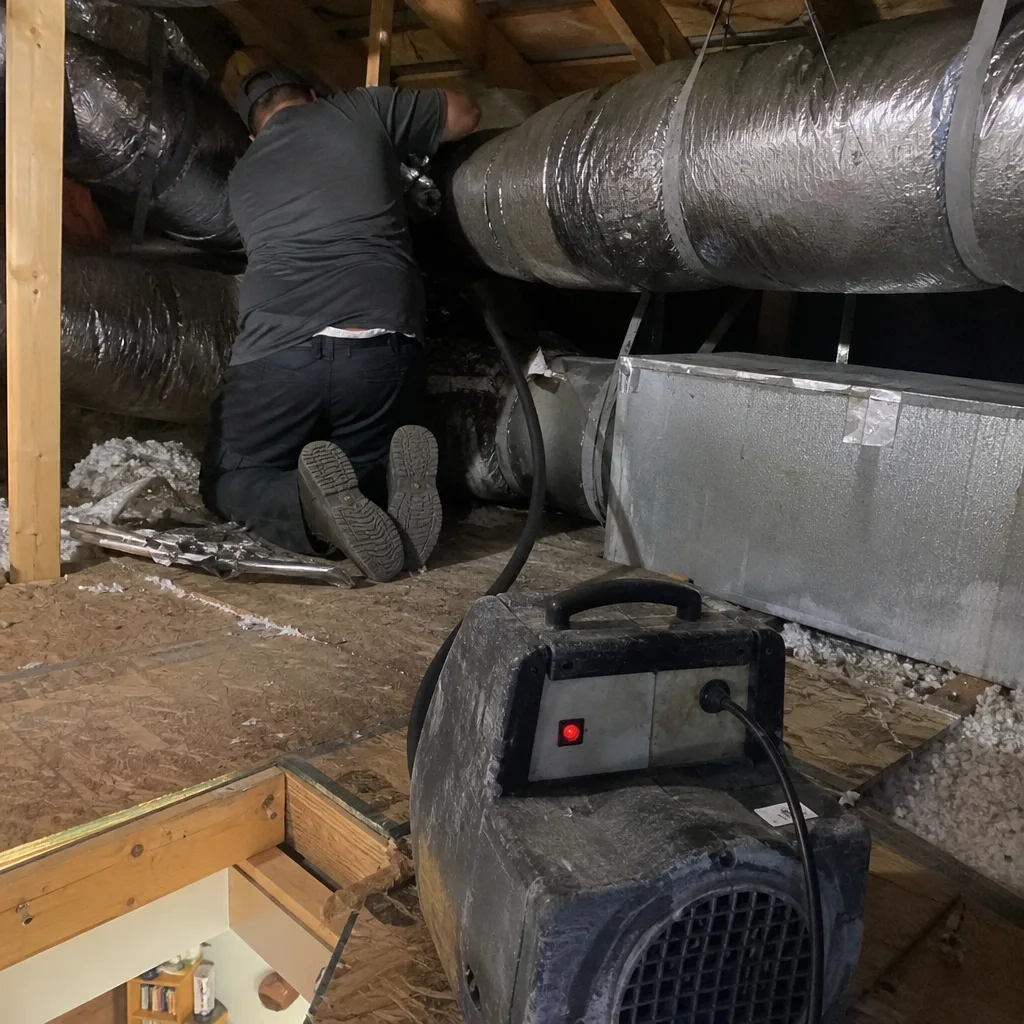 Before
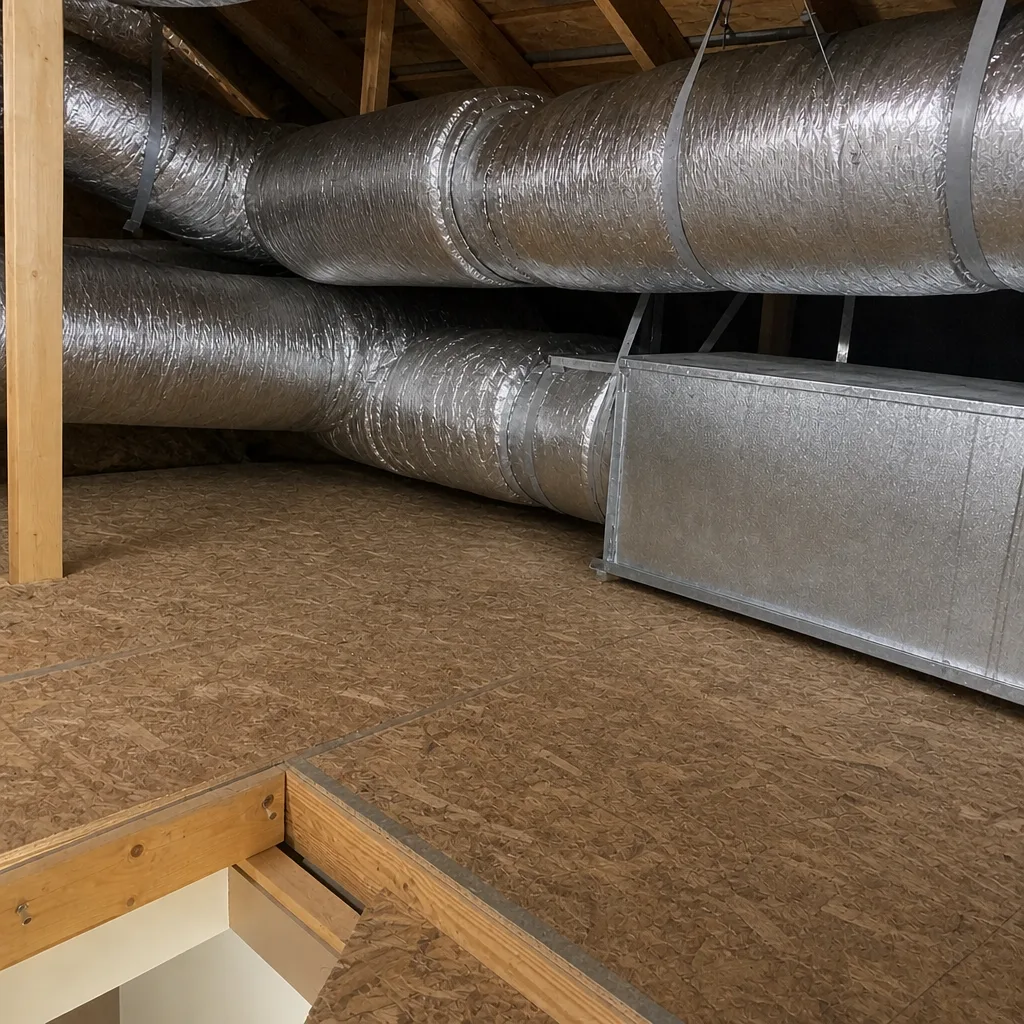 After
Common Mistakes to Avoid
- Booking on price alone. The cheapest quote is usually the one with the least equipment behind it. A real duct cleaning takes time and professional gear, and the labor has to appear in the price somewhere.
- Skipping the equipment questions. Vacuum CFM, brush system, and containment method are the three things that separate professionals from truck-mount vacuum operators. If the contractor can’t answer them, they’re not the right contractor.
- Accepting square footage pricing. A house’s duct system isn’t determined by square footage. A quote based on square footage is a quote based on a guess.
- Forgetting to verify NADCA status. If a company claims membership, verify it with the association directly. Certificate first, then believe.
- Not asking for a written scope of work. Without a signed scope listing which components will be cleaned, you have no leverage if the work is incomplete.
- Taking register photos as proof. Proof of work is photos of the interior access points, not the visible register slats. Ask what documentation is included before you book.
- Hiring a cleaning-only company when your ducts may need repair. Deltona homes with older flex duct often need both. Ask up front if a contractor can fix what they find.
There’s one more, and it’s less obvious: don’t assume that “professional-grade” describes the equipment just because the website says so. Ask the manufacturer name. Rotobrush and Nikro are names you’ll see on the actual machines. Guardsman products show up in related air quality work. Honeywell and Aprilaire are on the whole-home side. A contractor who uses professional equipment knows the brand names because they handle them on the job.
Frequently Asked Questions
Verify active NADCA membership directly with the association, ask for a certificate of insurance, and get every equipment answer in writing before scheduling. A legitimate Deltona contractor will also inspect the system before quoting and provide a written scope of work. If any of those three pieces is missing, treat it as a reason to keep looking. Call (844) 980-4682 for an estimate if you’d like a second opinion.
Florida does not issue a duct cleaning-specific license, so “licensed” in this trade usually refers to general business licensing rather than trade certification. What matters more is equipment, containment method, documented work, and whether the company is capable of repair. Ask those questions instead of asking about licensing class. A good contractor will answer both kinds of questions without hesitation.
Cheaper quotes usually reflect cheaper inputs: a smaller vacuum that doesn’t create real negative pressure, less time on the job, or a per-vent price that grows by the time the technician is on-site. A professional-grade system moves more air and takes longer to run correctly. That’s where the price difference lives. Call (844) 980-4682 for a written estimate that itemizes what’s included.
Ask for before-and-after photos at the interior access points – the trunk line cut-ins and plenum areas – not just the register surfaces. A written summary of what was cleaned and photos of any damage found should also be included. If a contractor can’t produce those documents, ask why before you pay. Documentation is part of the job, not an add-on.
There’s no universal schedule. Homes with pets, higher household occupancy, recent renovations, or a history of smoking usually need attention more often. Homes with clean ductwork and no recent triggers may go much longer. The right approach is an inspection first, then a decision. Call (844) 980-4682 for a free estimate and an honest assessment.
Not every contractor handles all three, but a full-system specialist should be able to assess your air ducts, dryer vent, and repair needs during the same visit. Ask before you book. One call covering your whole duct system is more efficient than coordinating three separate contractors. Our technicians have up to 8 years of experience and use professional equipment for all three services, and you can read more on the Deltona Duct Cleaning home page. Call (844) 980-4682 to book a free estimate.
The Bottom Line
Hiring an air duct cleaning contractor in Deltona comes down to three verified facts: what equipment they use, what work is documented, and whether they can repair what they find. No trade-specific license exists in Florida to audit those facts for you, so the questions you ask are the only filter you have. Ask about vacuum CFM, brush systems, and negative pressure containment. Request a written scope of work and interior before-and-after photos. Verify any NADCA claim directly. And skip square footage quotes. Nothing about this is complicated – it just takes ten minutes of asking before you book someone to spend hours inside your HVAC system. Our technicians have up to 8 years of experience, and we answer 24/7 if you want to talk through your system before scheduling.
Deltona Duct Cleaning offers free estimates in Deltona. Call (844) 980-4682 to schedule. We answer 24/7 with fast dispatch from 7am to 7pm, Sunday through Friday. Estimates are free, and the written estimate sets the final price.
Written by the team at Deltona Duct Cleaning.