
Last updated November 16, 2026
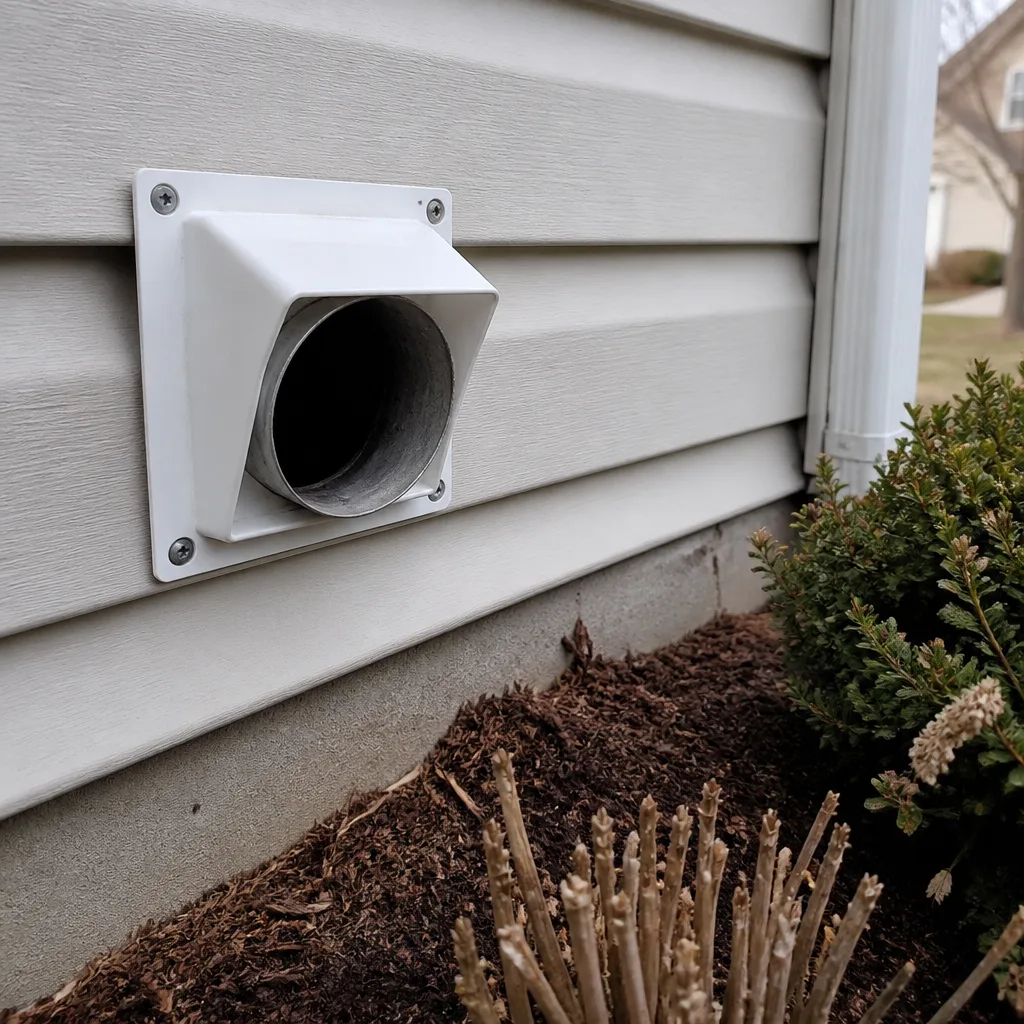 Dryer vent cleaning
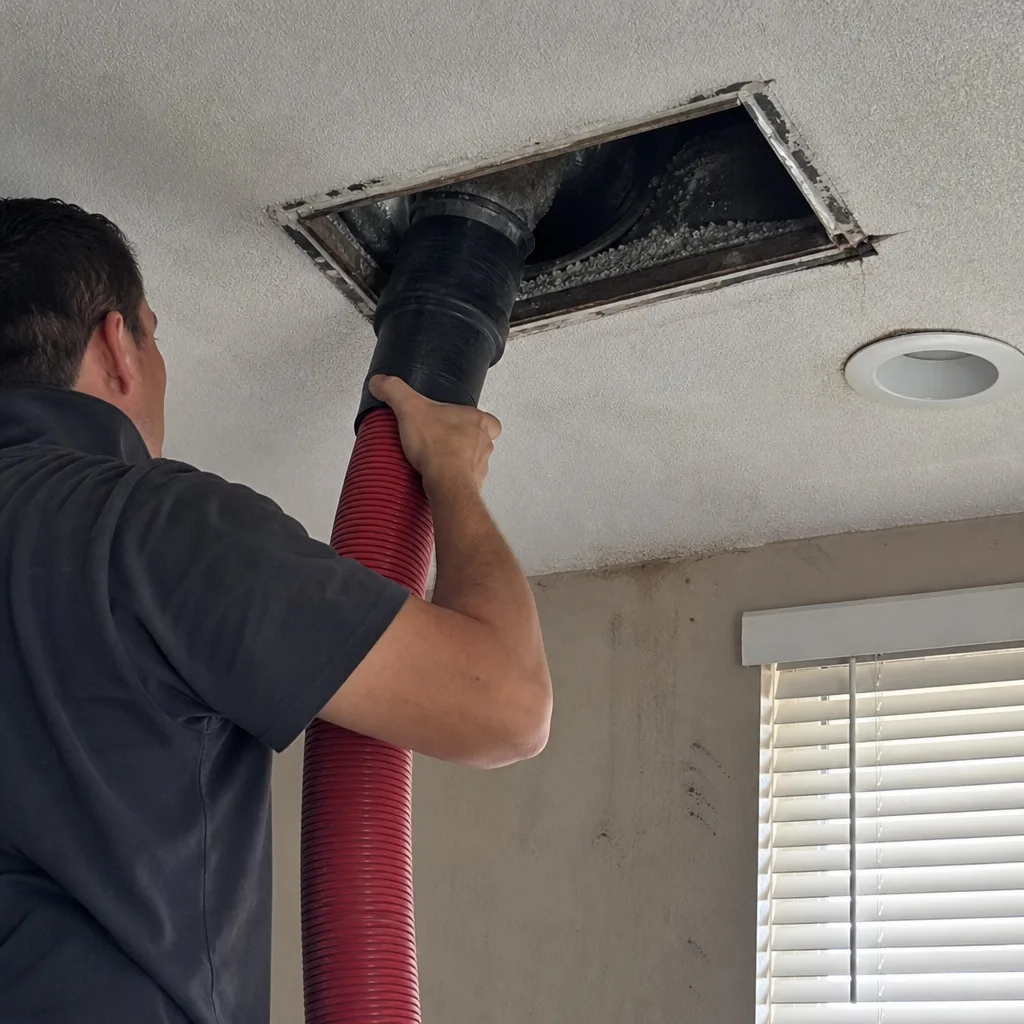
 Whole-home duct cleaning
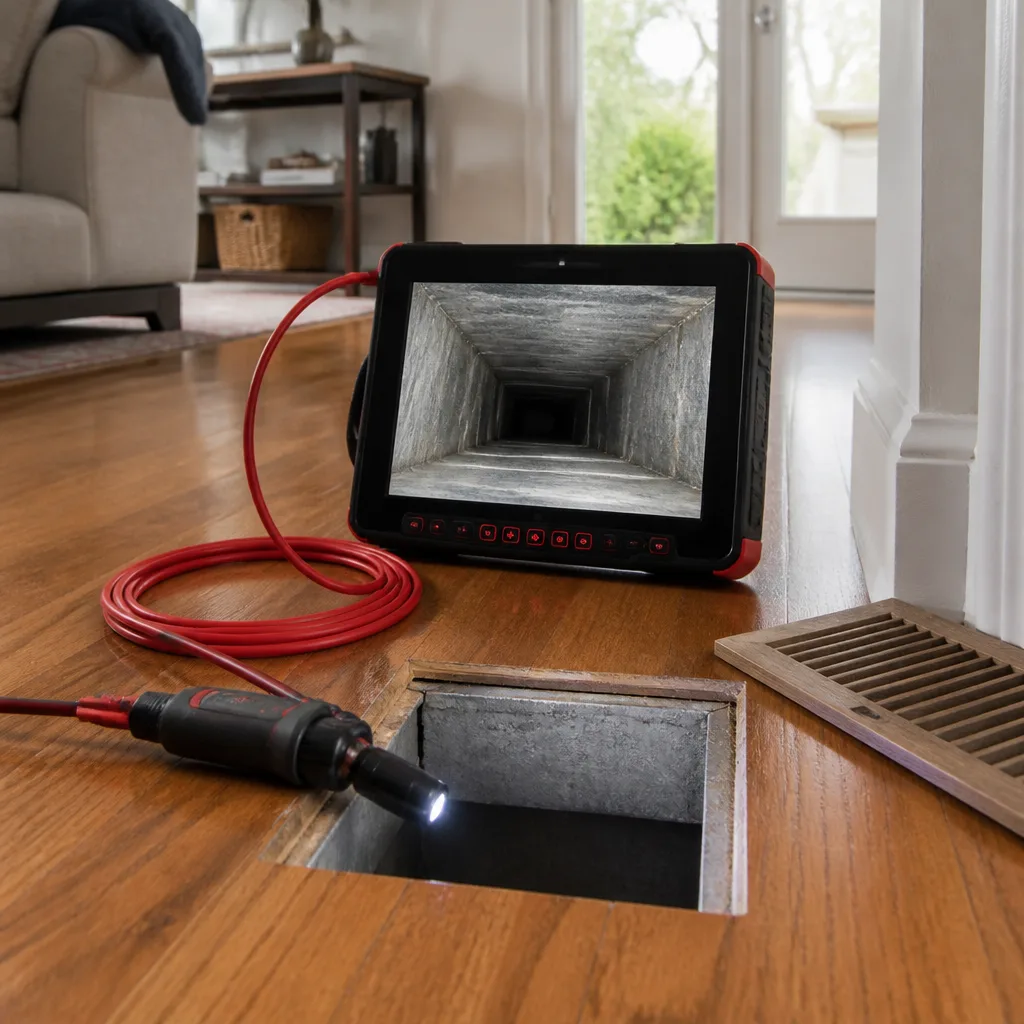 Camera inspection
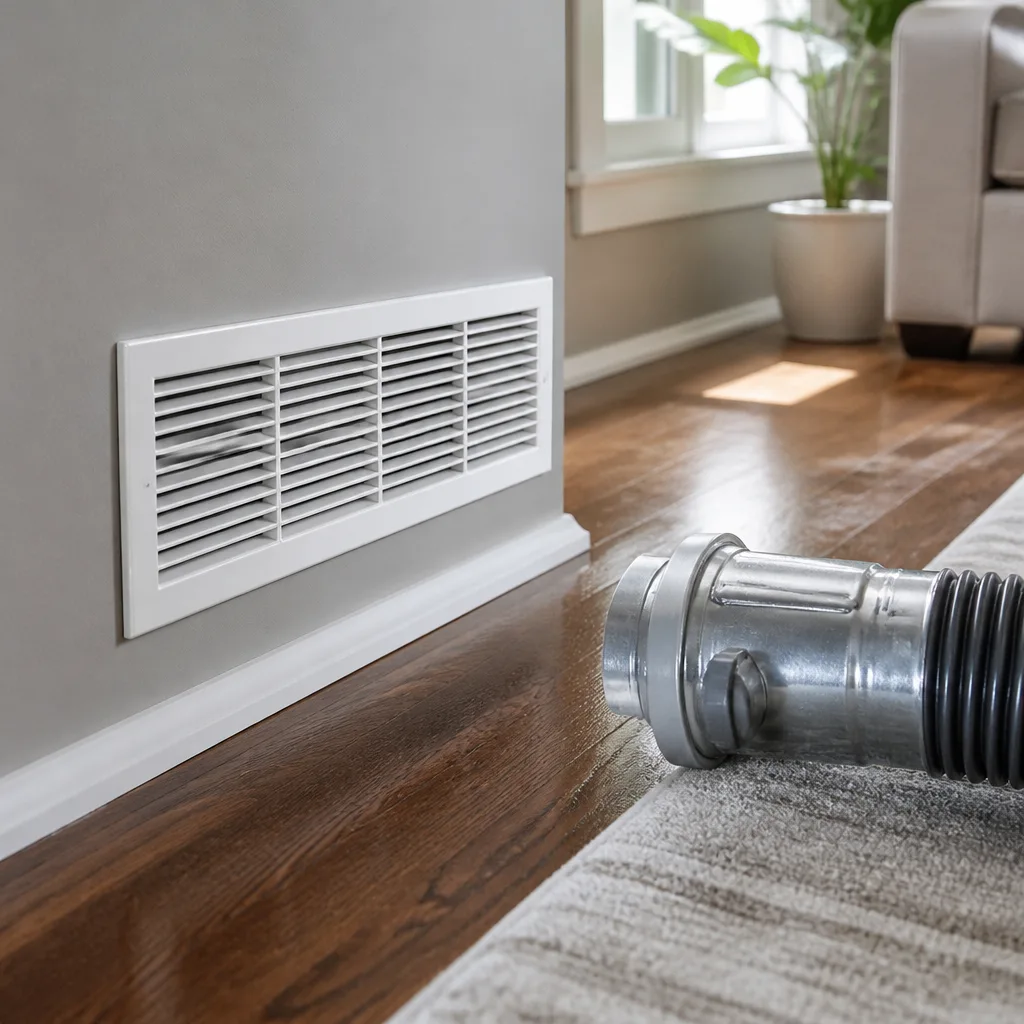 Sanitizing & deodorizing
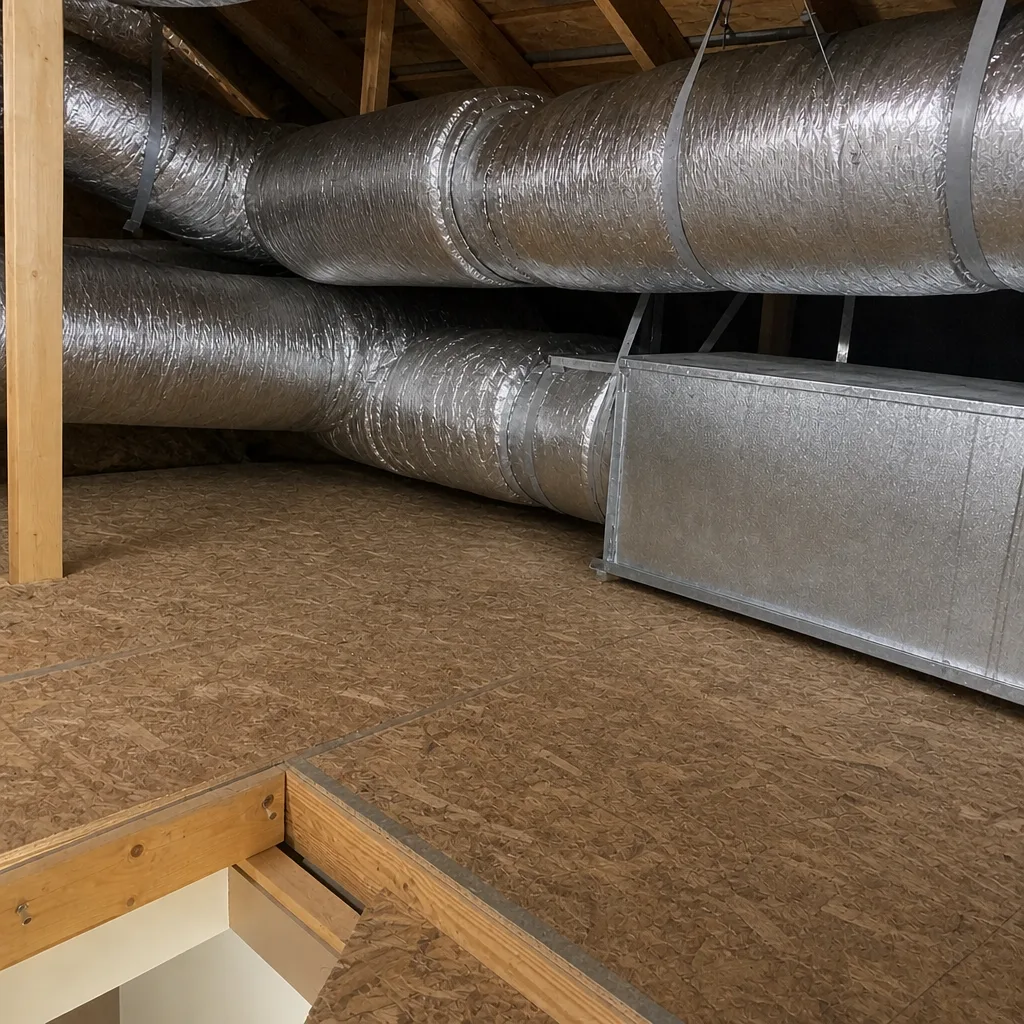
Whole-system duct and dryer vent check with before-and-after photos - you see exactly what came out of your vents
That "$99 whole-house special" is a bait ad - the real number appears once they are in your hallway, or the "clean" is a shop-vac at the register. We photograph the inside of your ducts before and after instead.
Dryer Vent Cleaning Troubleshooting in Deltona: Common Problems and How to Fix Them
If your dryer still takes two cycles after a vent cleaning, the vent probably wasn’t the real problem. A kinked flex duct behind the dryer or a sagging horizontal run will produce the exact same symptoms as lint buildup, and no amount of cleaning will fix it. Most homeowners in Deltona assume a dirty vent is behind every long dry time. Sometimes that’s right. Often it isn’t. What you’ll learn here is how to read the actual evidence your dryer is giving you, tell lint apart from physical duct damage, identify what kind of vent material is behind your appliance, and know when cleaning is the answer and when the run itself needs to change.
Quick Answer
If a professional dryer vent cleaning didn’t restore normal dry times in your Deltona home, the cause is almost always physical: crushed or kinked flex duct, a sagging horizontal run holding condensed moisture and matted lint, too many elbows added during a renovation, or vent material that shouldn’t be there at all. Cleaning removes lint. It can’t unkink a duct, lift a sagging run, or remove a restriction built into the system. Diagnosing which of those you have takes a borescope look at the run itself, not another cleaning pass.
Styles & brands we work with
- Whole-home duct cleaning
- Dryer vent cleaning
- Camera inspection
- Sanitizing & deodorizing
Table of Contents
- Cleaning Didn’t Fix It: Lint Buildup vs. Physical Duct Damage
- Plastic Flex, Foil Flex, and Rigid Metal: What’s Behind Your Dryer?
- Why Deltona Slab Homes Develop Sag Points in Long Horizontal Runs
- What a Borescope Reveals That Cleaning Cannot
- Three Scenarios Where Rerouting Beats Repeated Cleaning
- A Step-by-Step Way to Diagnose Your Own Vent
- Keeping the Vent Clear Once It’s Right
Cleaning Didn’t Fix It: How to Tell Lint Buildup From Duct Damage
You can separate a lint problem from a duct problem with two pieces of evidence: how long your loads run, and how the exhaust feels at the exterior wall. Those two readings tell you almost everything before anyone touches the system.
Lint buildup is a gradual restriction. Dry time creeps up over months, the vent flap outside opens less, and the air that does come out feels warm and weak. Cleaning restores the flow because the duct itself is still the right shape and size.
Physical duct damage is a sudden or persistent restriction that doesn’t respond to cleaning. A crushed section behind the dryer, a kinked elbow, or a run that sags and pools moisture will choke airflow no matter how clean the interior is. You’ll see one of these signs:
- Dry times that improve briefly after a cleaning and then return within a few weeks.
- A strong, warm exhaust at the wall but weak flow at the dryer, or the reverse.
- The exterior flapper barely lifting, or not lifting at all, even on a hot cycle.
- A dryer that heats but the clothes stay damp, especially heavy items like towels and denim.
- Visible sagging or a sharp pinch in the duct where it bends behind the appliance.
Do the exterior-wall test first. Turn the dryer on a timed heat cycle, go outside, and feel the exhaust. A steady, forceful, warm flow means the run is mostly open and the problem may be lint accumulating near the lint trap or a partially clogged exterior hood. A weak, faintly warm trickle, or nothing at all, means restriction somewhere in the run. That restriction is lint, damage, or both, and the difference matters because dryer vent cleaning only solves one of them.
Why the distinction matters for a Deltona homeowner
Repeated cleanings on a damaged run cost money and never quite solve the problem. When the restriction is structural, the fix is structural too. We’ve seen this pattern often in Deltona homes where a renovation moved the laundry or added a run, and no one checked that the new configuration actually moved air well. Before you book another cleaning, confirm what you’re cleaning.
Plastic Flex, Foil Flex, and Rigid Metal: What’s Behind Your Dryer?
Not all vent material performs the same, and some of it shouldn’t be in a dryer run at all. Florida residential code does not permit the thin, white plastic flex duct that’s still common in older homes. Beyond the code question, plastic flex is the worst performer in a dryer vent: its ribbed interior catches lint, it can sag between supports, and it’s the most likely material to trap a fire load. Knowing what you have is the first troubleshooting step.
Here’s how the three common materials compare:
- Plastic flex (white or grey vinyl): Ribbed interior collects lint quickly, sags easily, and is not permitted under Florida code. If this is behind your dryer, it’s a replacement candidate regardless of how clean it looks.
- Foil flex: Better than plastic, still ribbed, and prone to kinking at tight bends. Acceptable in short runs with few elbows, but long foil runs in a slab home are a common source of recurring restrictions.
- Rigid metal (galvanized or aluminum): Smooth interior, less lint buildup, fewer places for moisture to pool. This is the standard a vent run should meet, and it’s what a rerouting job installs.
Identifying your material without pulling the dryer out
- Pull the dryer forward only far enough to see the first foot of duct where it connects to the back of the appliance.
- Look at the surface texture. A ribbed, crinkled, flexible sleeve is flex; a smooth, hard tube is rigid metal.
- Check the color. Bright white or grey plastic is a red flag; dull silver foil is flex; stiff grey or silver metal is rigid.
- Feel the duct where it bends. If it collapses under light pressure, it’s flex and likely kinked there.
You don’t have to trace the whole run to make the first call. Seeing plastic or a crushed foil bend tells you enough to know a reroute may be the better long-term answer. For more on material and fire-safety standards, see our related guide on dryer vent cleaning and what code-compliant run design looks like.
Why Deltona Slab Homes Develop Sag Points in Long Horizontal Runs
Many Deltona homes sit on slab foundations, which means the dryer vent often exits through a wall and runs horizontally or through a short chase rather than dropping down through a floor and out a crawlspace. That horizontal run, when it isn’t supported correctly, has a problem: it sags. And a sagging run is where lint and moisture collect, regardless of how often you clean.
Here’s the mechanism. The dryer moves warm, humid air through the duct. That air condenses on cooler metal when the run is long or the dryer sits in an unconditioned garage or utility closet. Water settles into the low point of a sag. Wet lint clumps, sticks to the bottom of the duct, and builds a restriction that no standard cleaning brush fully reaches on the underside of a low point. A few weeks later, dry times climb again.
How to spot a sag in your own Deltona home
- Look under the run. A support strap should hold the duct every few feet; missing straps let it belly downward.
- Gently press upward on the duct at a low point through an access if you have one. If it feels heavy or you hear a slosh, moisture is pooling.
- Check the exterior hood, the flap at the wall. If lint is matted into the lower edge of the hood, that’s the gravity endpoint of a sag.
Deltona’s warm, humid air outside means the dryer is working against a fairly damp ambient condition on most summer days, which makes condensation in a long, cool slab run more likely. That’s not a reason to clean more often; it’s a reason to get the run supported properly so there’s no low point to collect moisture. If you’re in the Deltona area and can’t trace the run yourself, a professional inspection with a camera can find sag points and crushed sections in a single visit.
What a Borescope Reveals That Cleaning Cannot
A borescope inspection is the step that separates diagnosis from guesswork. A cleaning tool pushes through and scrubs. A camera looks. Those are different jobs, and when a blockage keeps returning, the camera is what tells you why.
During an inspection, a technician feeds a camera down the duct and watches the interior on a monitor. What turns up in most recurring-blockage cases in Deltona:
- Crushed sections behind the appliance or at a tight bend where the dryer was pushed back against the wall.
- Sag points where wet lint has matted along the bottom of a horizontal run.
- Elbow restrictions added during a renovation that left the run with too many turns for the dryer to push air through.
- Material transitions where flex meets rigid, often the first place lint snags.
- Improper terminations where the vent ends inside an attic or crawl space instead of at the exterior, dumping lint into the structure.
None of these problems respond to a cleaning pass. That’s why repeated cleanings on the same run feel like a revolving door. The camera removes the guessing. Professional-grade systems like the Rotobrush and Nikro equipment we use pair with inspection tools precisely because the interior of a run can’t be judged from the outside. If you’ve cleaned the vent twice and your dryer still runs long cycles, a camera inspection is the next step, not a third cleaning.
Three Scenarios Where Rerouting Beats Repeated Cleaning
Sometimes the right answer isn’t another cleaning appointment; it’s changing the run itself. Here are the three situations where we recommend rerouting instead of cleaning, and why.
1. The run is plastic flex or heavily kinked foil
If the duct behind your dryer is plastic or a foil run with a sharp pinch, cleaning can only reach what a brush reaches. The material itself will keep collecting lint and the bend will keep restricting air. Replacing the run with rigid metal and fewer elbows fixes the underlying design. If your dryer is in a garage or utility closet and the run snakes through three or four 90-degree turns before it reaches an exterior wall, that’s a layout problem, not a dirt problem.
2. The run is longer than the dryer can push air through
Dryers are rated to move air a certain distance through a certain number of elbows. Every turn adds equivalent length. When a Deltona home was built with a long horizontal slab run or a renovation added a turn, the total may exceed what the appliance can handle. No cleaning changes that math. Moving the termination closer, straightening a run, or reducing elbows makes the system work. A camera and airflow reading will show you where the limit is.
3. The run sags and moisture keeps returning
A run with an unrepaired low point will keep condensing moisture in Deltona’s humid air and keep matting lint at the bottom. Cleaning clears it; the sag brings it back. Supporting or rerouting the run so there’s no belly removes the spot where moisture collects. That’s the fix that keeps the vent clean in the first place.
When we assess a vent and find a structural problem, we can recommend the repair on the same visit rather than sending you to a separate contractor. That’s a difference between a company that only cleans and one that can repair what it finds. Our air duct cleaning service follows the same full-system logic: inspect, then fix what needs fixing.
A Step-by-Step Way to Diagnose Your Own Vent
Before you call anyone, you can work through this sequence yourself. It takes about fifteen minutes and tells you which category your vent falls into.
- Time a load. Run a normal load and note the dry time on a timer. Deltona homeowners should know their appliance’s baseline so a change stands out.
- Check the exterior flapper. With the dryer running hot, go outside and watch the vent hood. A flapper that barely moves means restricted airflow.
- Feel the exhaust. Steady, forceful, warm flow is healthy. Weak, cool, or absent flow points to a restriction or a disconnected run.
- Look at the first foot of duct. Pull the dryer forward enough to see the connection. Plastic, a crushed bend, or a kink here is a red flag.
- Inspect the lint trap and the cabinet. A packed lint trap or lint inside the cabinet tells you the appliance itself is part of the problem.
- Check for sag. Follow the run as far as you can see and press gently upward at low points. Heavy or sloshing means moisture pooling.
- Decide. Steady flow and rising lint means clean. Weak flow that survives a cleaning means inspect and possibly reroute.
If steps two through four all point to restriction, and the run is plastic or sharply bent, the diagnosis is structural. That’s when a professional inspection saves you the cost of a cleaning that won’t hold. If you’re unsure how your home’s system is laid out, our team can walk you through it; start with the Deltona service overview to see how a visit works.
Keeping the Vent Clear Once It’s Right
Once the run is the correct material, properly supported, and free of excess turns, staying clear is mostly about habits. A correct run doesn’t need heroic maintenance, but a few small routines prevent the buildup that brings the cycle back.
- Clean the lint trap before every load. This is the single biggest lever and it costs nothing.
- Keep the exterior hood clear of lint and check the flapper opens easily. A hood packed with lint is a symptom worth tracing.
- Watch dry times. A gradual creep from one cycle to two is your earliest warning that lint is building somewhere.
- Avoid pushing the dryer tight against the wall so the duct bends sharply behind it. Leave clearance for the bend.
- Don’t dry heavy loads back to back all afternoon without a breather; a hot dryer runs longer and moves more lint through the run at once.
If your vent runs behind a finished wall or through a slab chase, you can’t see it well enough to judge this yourself. A periodic professional look keeps the invisible parts of the run honest. When we service a dryer vent, we can also check whole-home air quality components, including working with Aprilaire and Honeywell products, so a single visit covers more than one system. Our broader Deltona Duct Cleaning team handles the full duct picture when you want everything checked together.
Common Mistakes to Avoid
- Assuming dry time equals lint every time. Slow drying is a symptom, not a diagnosis. A crushed or sagging duct produces the same symptom, and repeated cleanings won’t fix it.
- Replacing plastic flex with more plastic flex. If the material behind your dryer is the wrong type, swapping it for the same thing repeats the problem. Rigid metal is the goal.
- Pushing the dryer all the way back against the wall. This pinches the duct at the bend and creates a restriction that builds lint fast. Leave room for a gentle bend.
- Skipping the exterior check. Watching the flapper and feeling the exhaust at the wall is the cheapest diagnostic there is, and many homeowners never do it.
- Ignoring a sagging run because the vent looks clean from outside. In Deltona’s slab homes, a low point can hold moisture and matted lint while the visible end looks fine.
- Letting a hood vent into the attic or crawl space. A run that dumps lint indoors instead of at the exterior is a hidden problem no cleaning fixes; the termination has to be corrected.
- Booking a third cleaning on a run that’s damaged. If two cleanings didn’t hold, the next step is an inspection with a camera, not another pass.
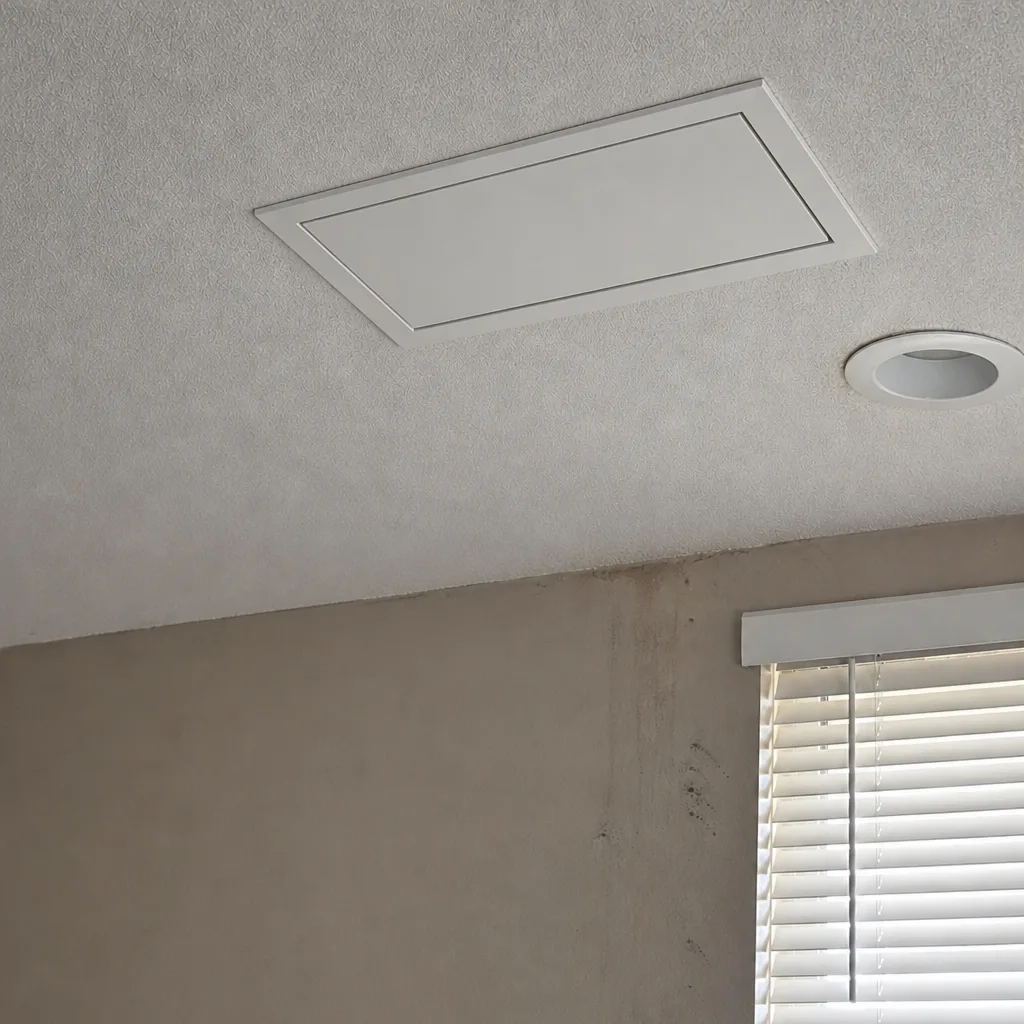
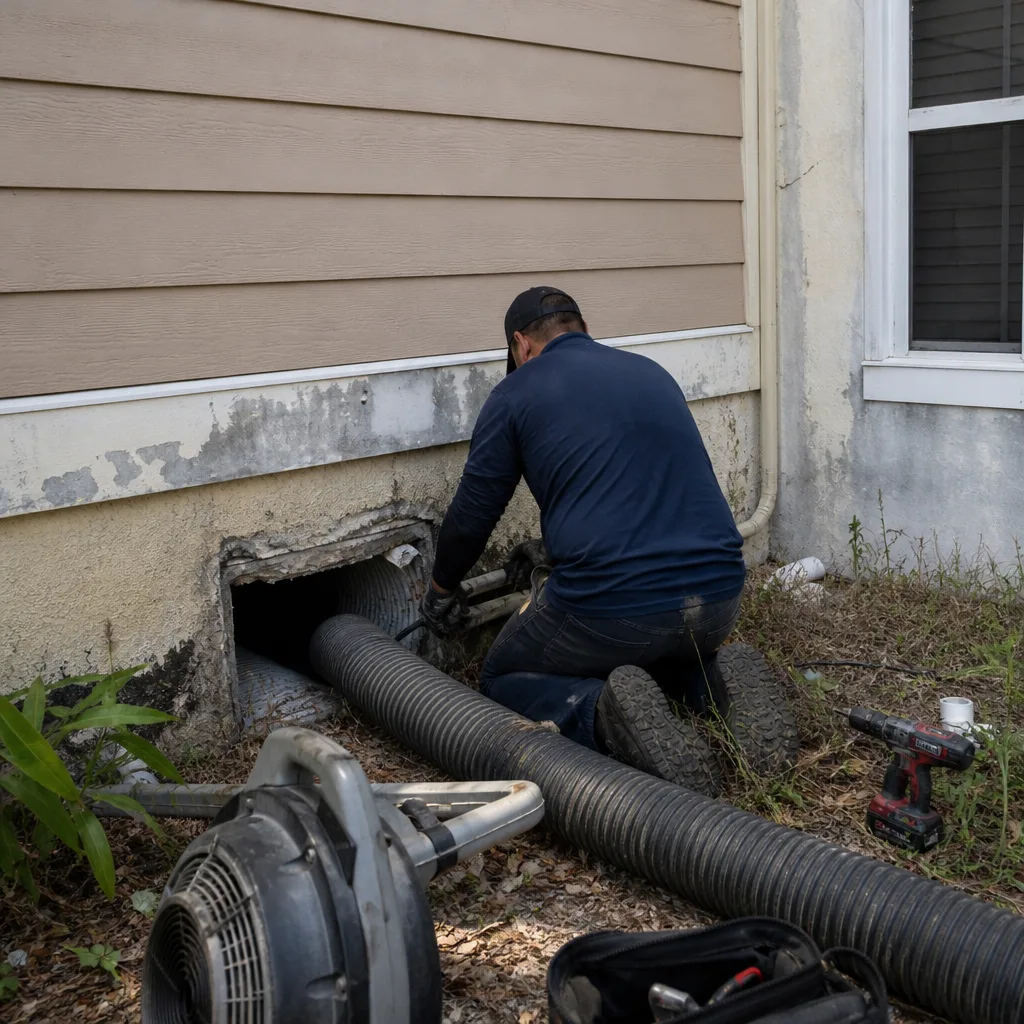
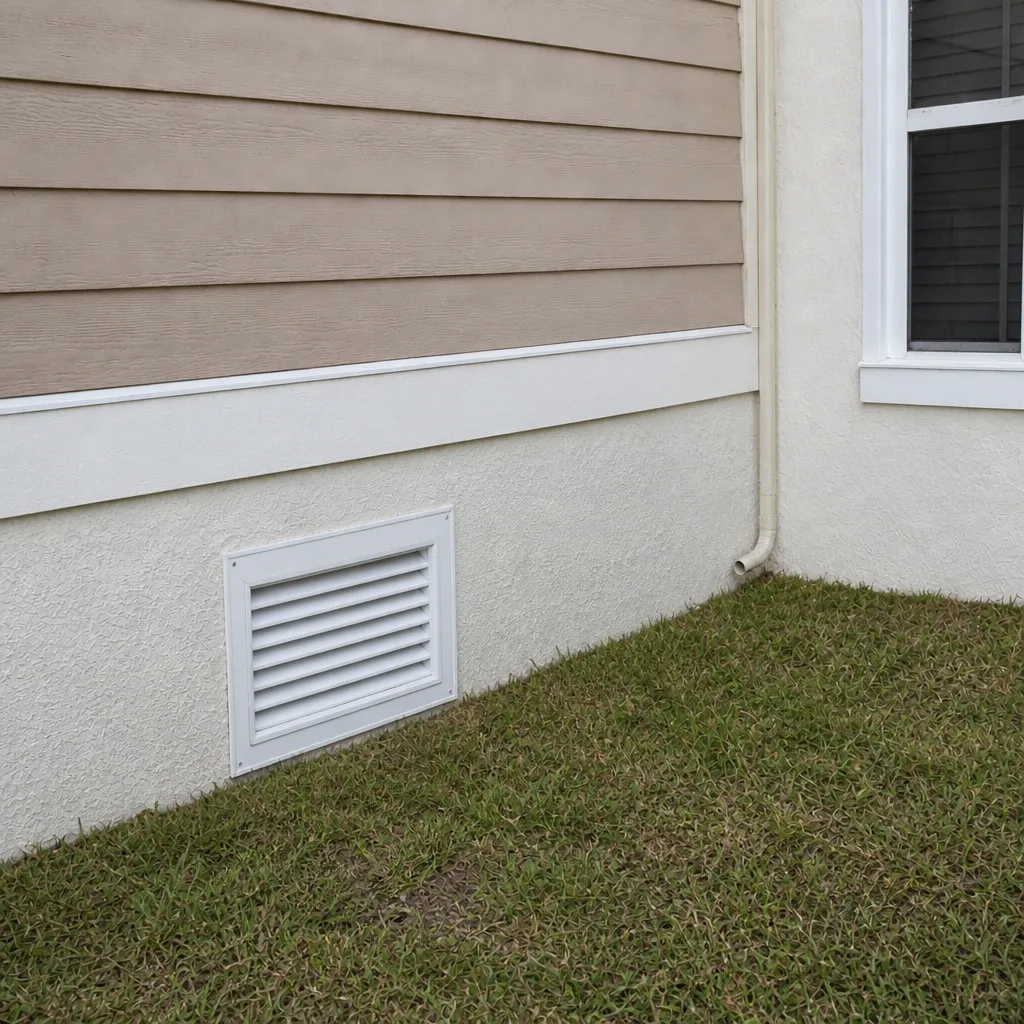
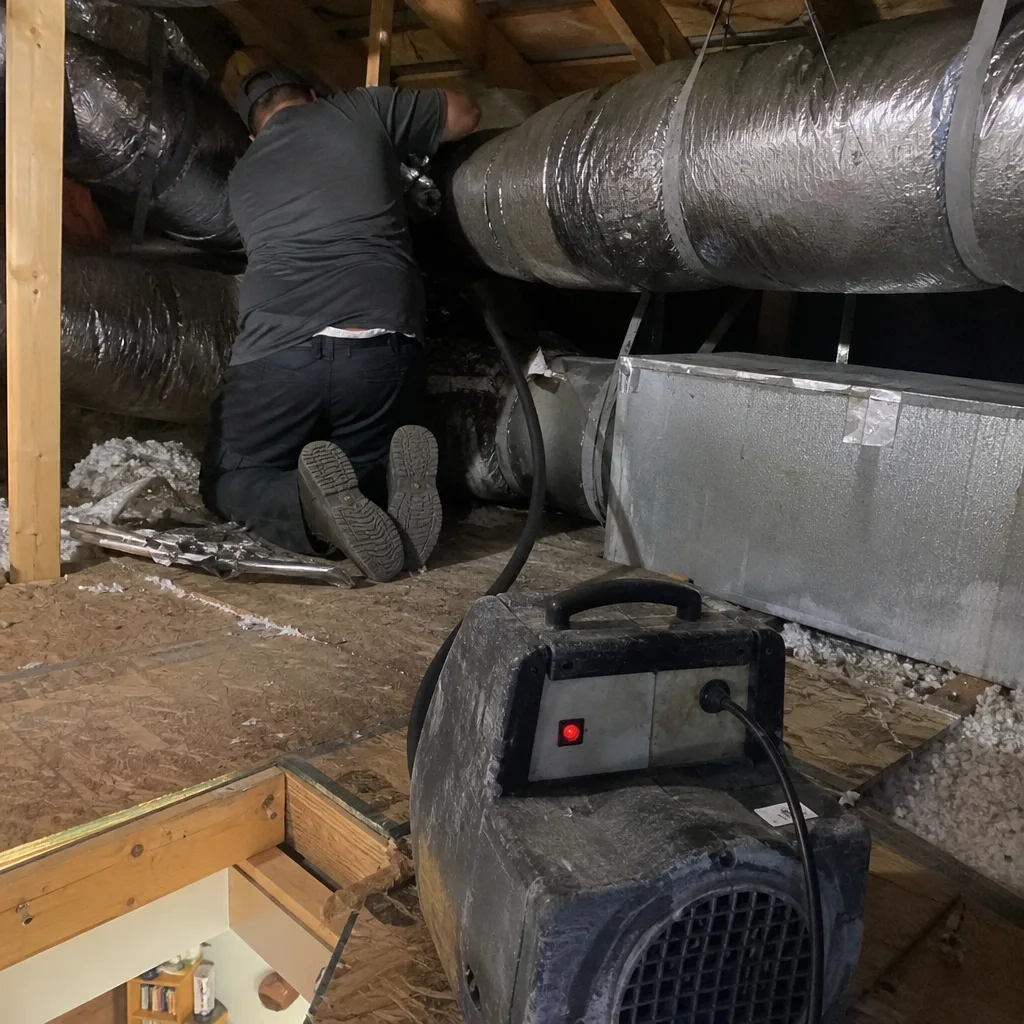
See the difference
 Before
 After
 Before
 After
 Before
 After
When to Call a Professional
Call a professional when the exterior flapper is barely moving, when dry times stay long after a cleaning, when you can see plastic or a crushed bend behind the dryer, or when you can’t trace the run because it disappears behind a wall or into a slab chase. Those are structural signs that need a camera and a repair plan, not a brush. If you’ve cleaned the vent and the problem returned within weeks, that’s the strongest signal to book an inspection rather than another cleaning. We offer free estimates in Deltona and can inspect the run, tell you whether it’s lint or damage, and recommend cleaning or rerouting based on what the camera shows. Call (844) 980-4682. We answer 24/7. Fast dispatch from 7am to 7pm, Sunday through Friday.
Frequently Asked Questions
A second cycle after cleaning usually means the restriction is structural, not lint. A kinked flex duct behind the appliance, a sagging horizontal run, or too many elbows added during a renovation will produce the same long dry times as a clogged vent, and cleaning doesn’t remove a restriction that lives in the duct’s shape or material. The next step is a camera inspection to see the run itself. Call (844) 980-4682 for an exact quote – estimates are free.
Do two checks. First, feel the exhaust at the exterior wall with the dryer running hot: steady, forceful, warm flow points to lint, weak or absent flow points to a restriction or damage. Second, look at the first foot of duct behind the dryer for a crushed bend or plastic material. Rising lint that returns after cleaning is lint; a restriction that survives cleaning is damage. Call (844) 980-4682 for an exact quote – estimates are free.
No. Florida residential code does not permit the thin white or grey plastic flex duct that’s still common in older Deltona homes. Beyond the code question, plastic flex is the worst material for a dryer vent because its ribbed interior catches lint and it sags easily between supports. If you find plastic behind your dryer, it’s a replacement candidate regardless of how clean it looks. Call (844) 980-4682 for an exact quote – estimates are free.
In Deltona slab homes, the long horizontal vent run often sags when it isn’t supported every few feet. Warm, humid air from the dryer condenses in the low point, wet lint clumps on the bottom of the duct, and the restriction rebuilds even after cleaning. The fix is proper support or rerouting so there’s no low point where moisture collects, not cleaning more often. Call (844) 980-4682 for an exact quote – estimates are free.
Yes, if the vent has been cleaned twice and the problem keeps returning. A camera shows crushed sections, sag points, matted lint on the underside of a low point, and material transitions that a cleaning tool can’t correct. A borescope is the only way to diagnose a recurring blockage with certainty. Call (844) 980-4682 for an exact quote – estimates are free.
Rerouting beats cleaning in three cases: the run is plastic or heavily kinked foil, the run is longer than the dryer can push air through, or the run sags and moisture keeps returning to the same low point. In each of those, cleaning clears the symptom but the design brings it back. An inspection tells you which scenario you have. Call (844) 980-4682 for an exact quote – estimates are free.
The Bottom Line
Most dryer vent problems that survive a cleaning aren’t cleaning problems at all. They’re duct problems: wrong material, crushed bends, sagging slab runs that trap moisture and matted lint, or a run with more elbows than the dryer can push air through. Read the evidence before you book anything. Feel the exterior exhaust, look at the first foot of duct, watch the flapper, and check for a sag. If the evidence points to structure, a camera inspection is the right call, and rerouting may be the real fix. If it points to lint, a proper professional cleaning clears it. Either way, you’ll know which problem you’re solving. Our technicians have up to 8 years of experience with the Rotobrush and Nikro systems used on runs across Deltona. Call Deltona Duct Cleaning at (844) 980-4682 for a free estimate. We answer 24/7. Fast dispatch from 7am to 7pm, Sunday through Friday.
Written by the team at Deltona Duct Cleaning.