
Last updated November 16, 2026
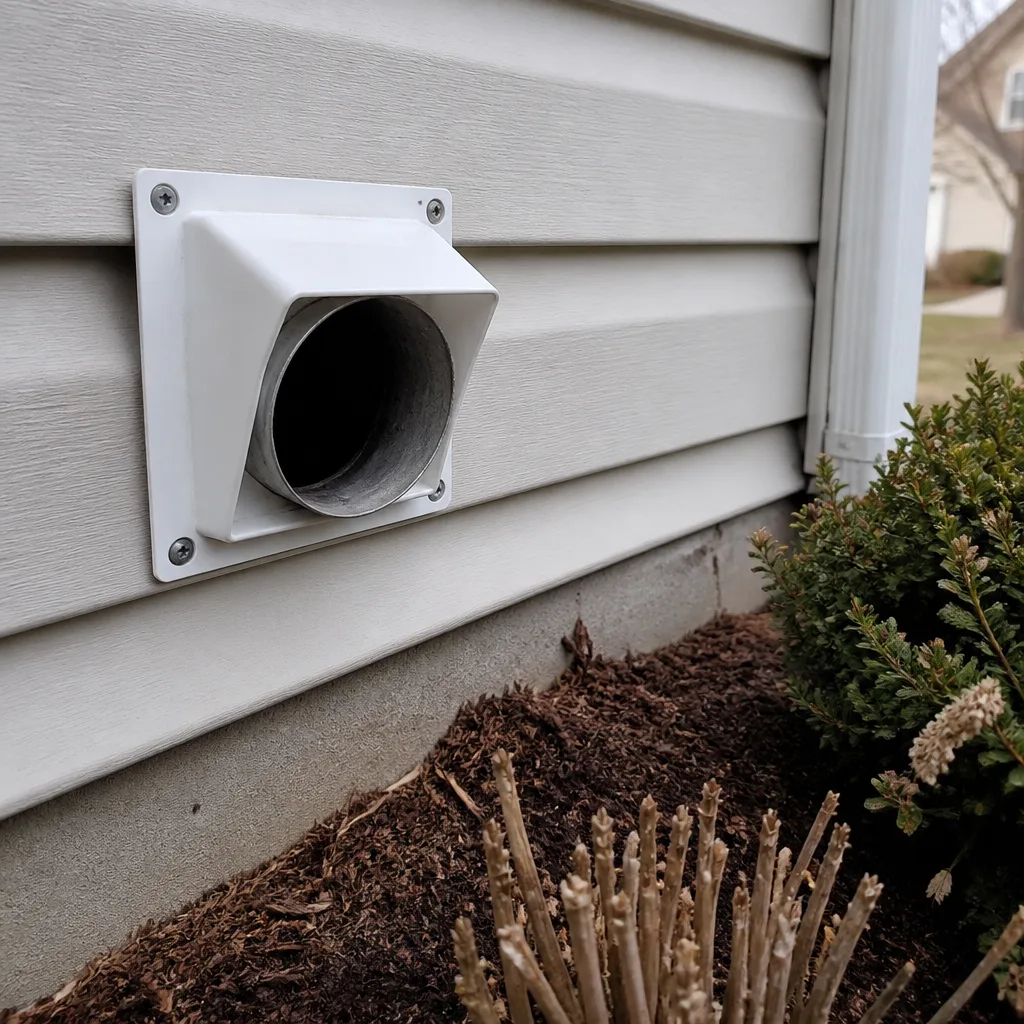 Dryer vent cleaning
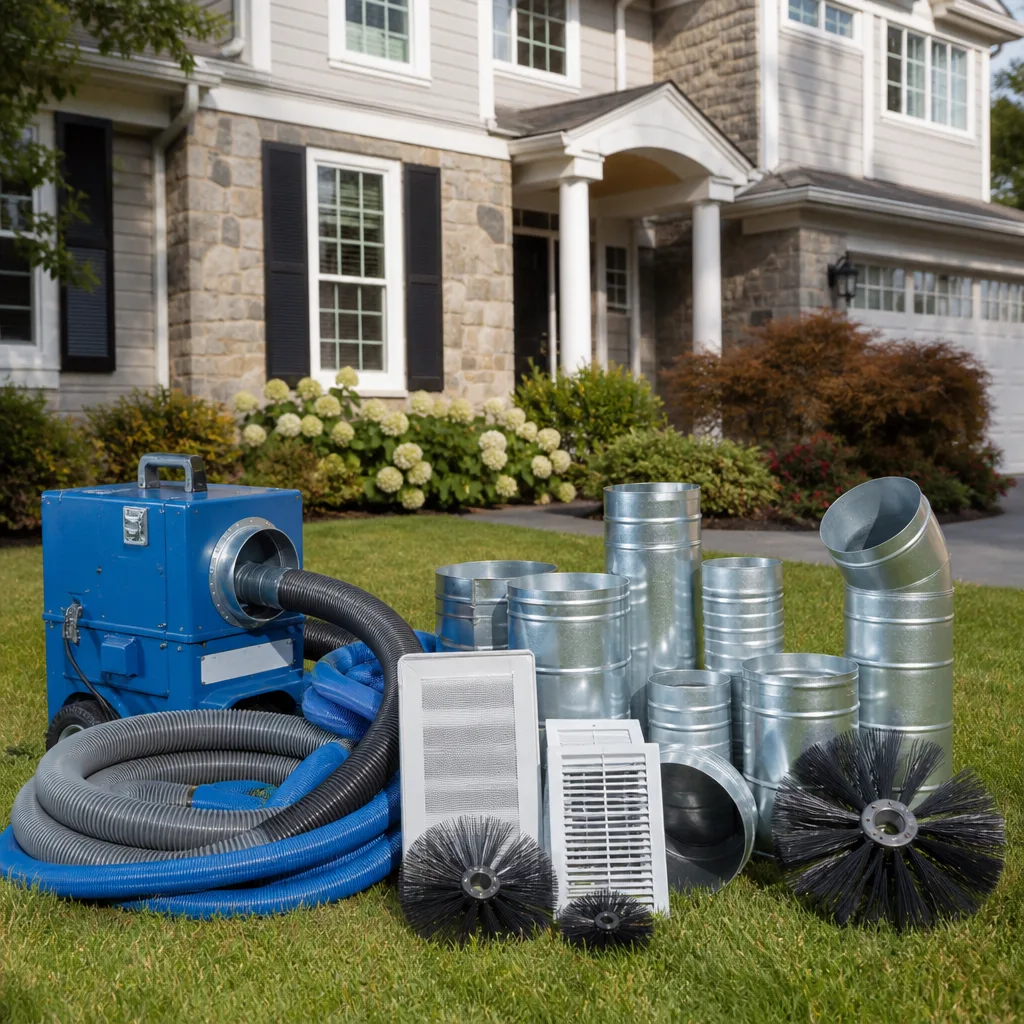 Whole-home duct cleaning
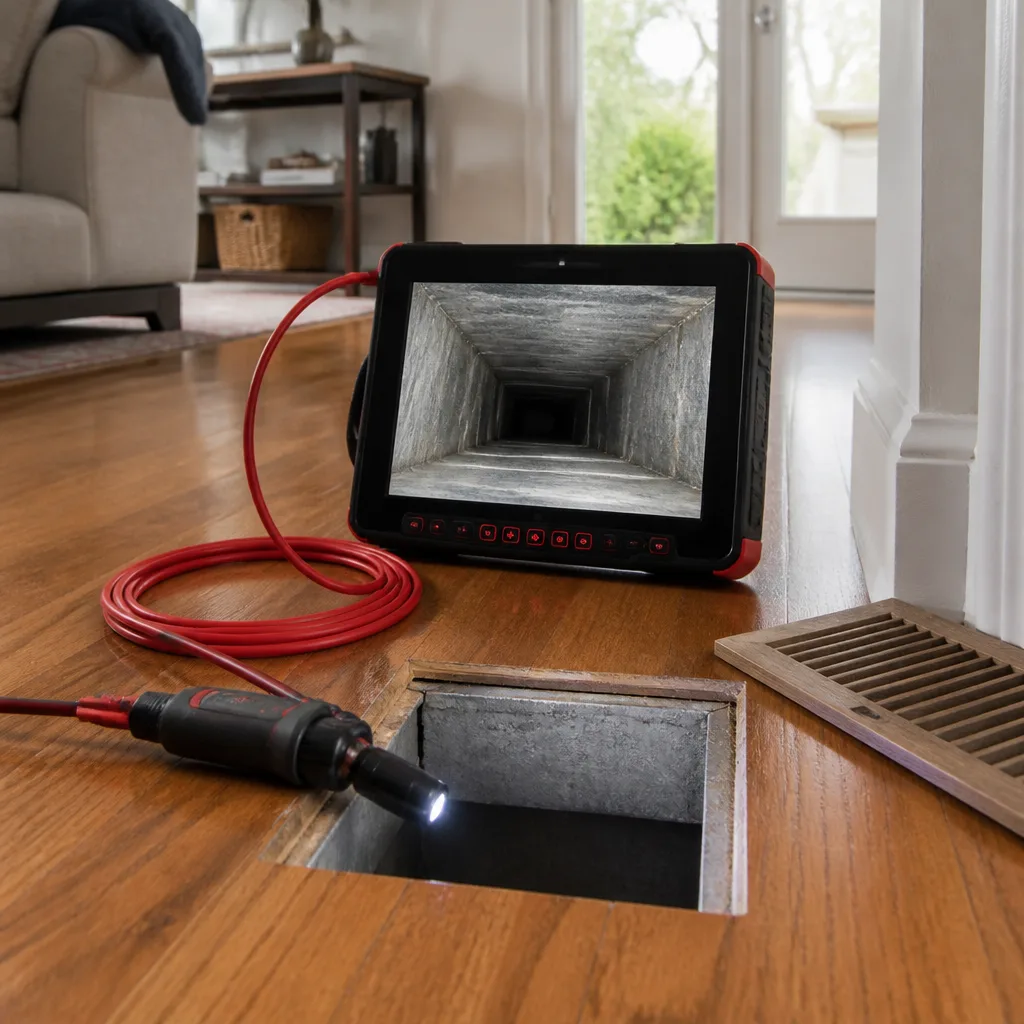 Camera inspection
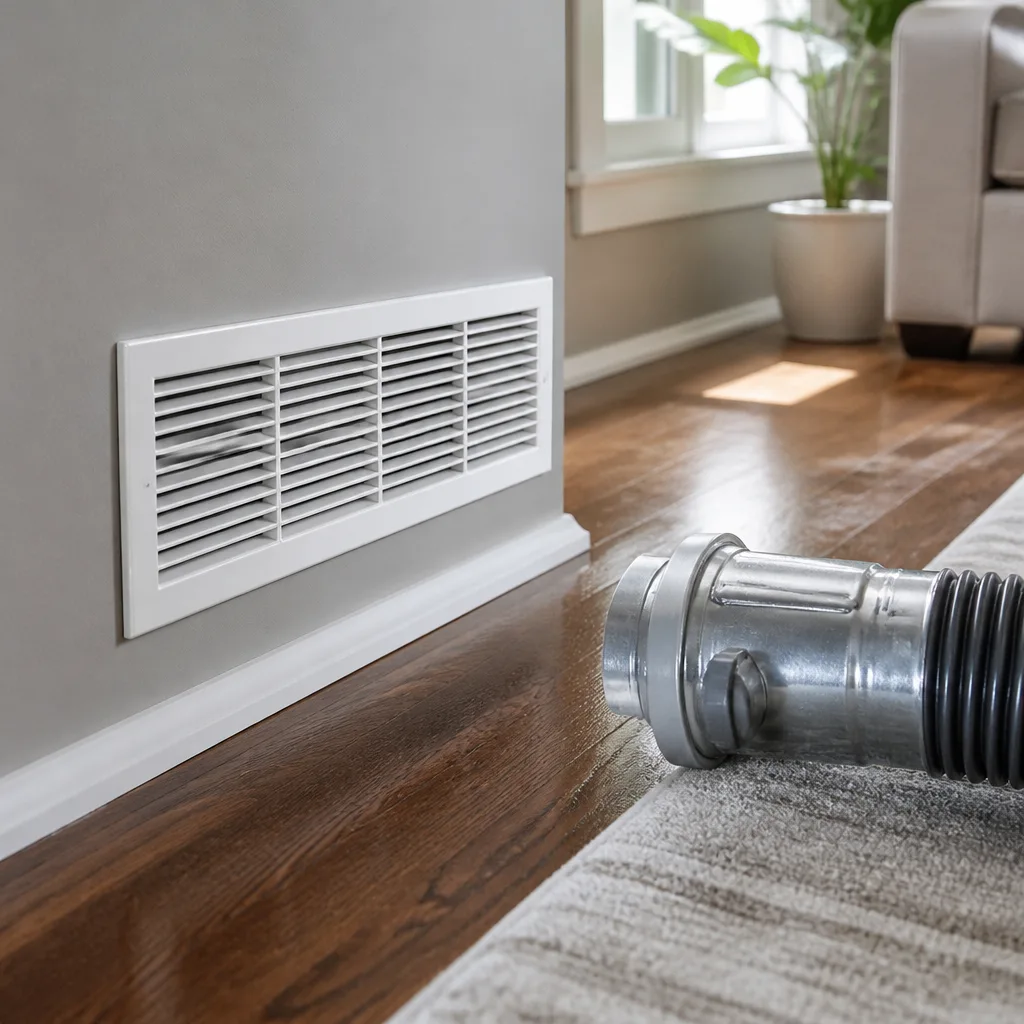 Sanitizing & deodorizing
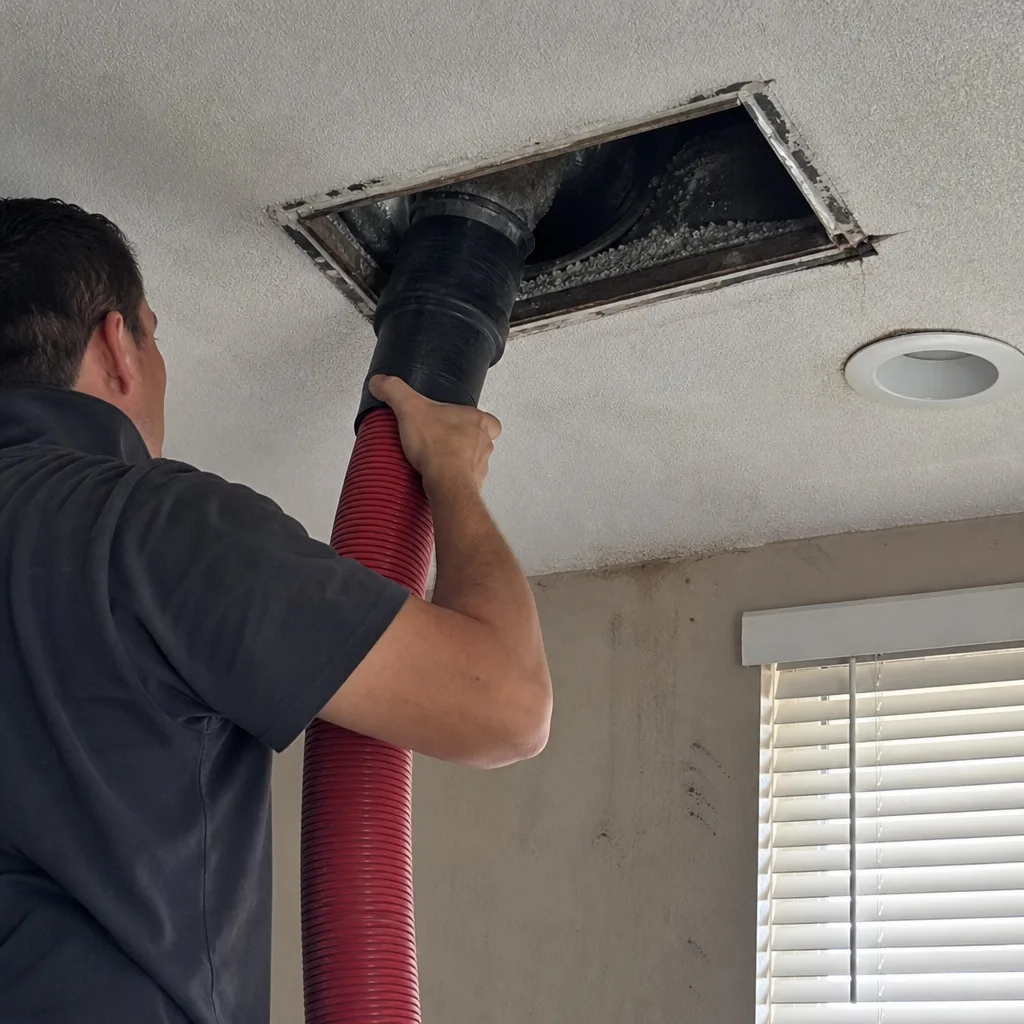
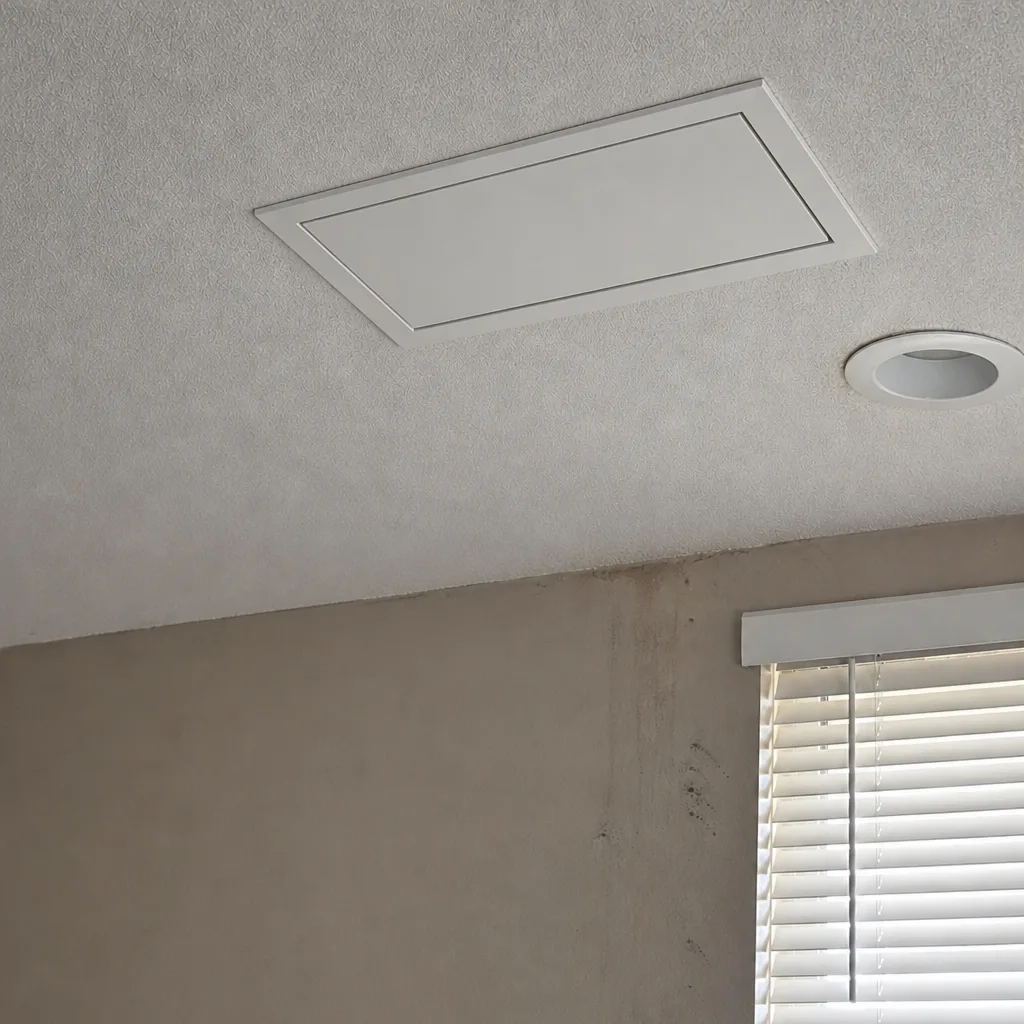
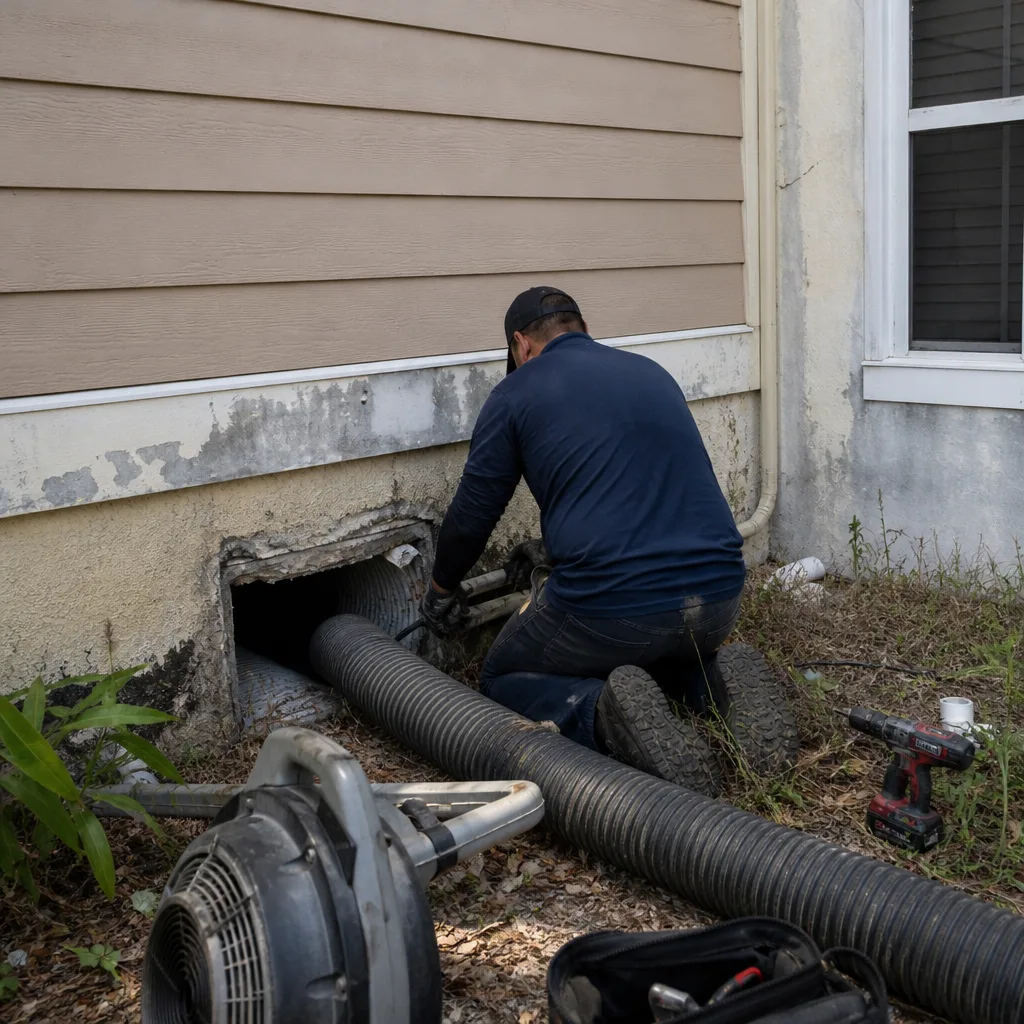
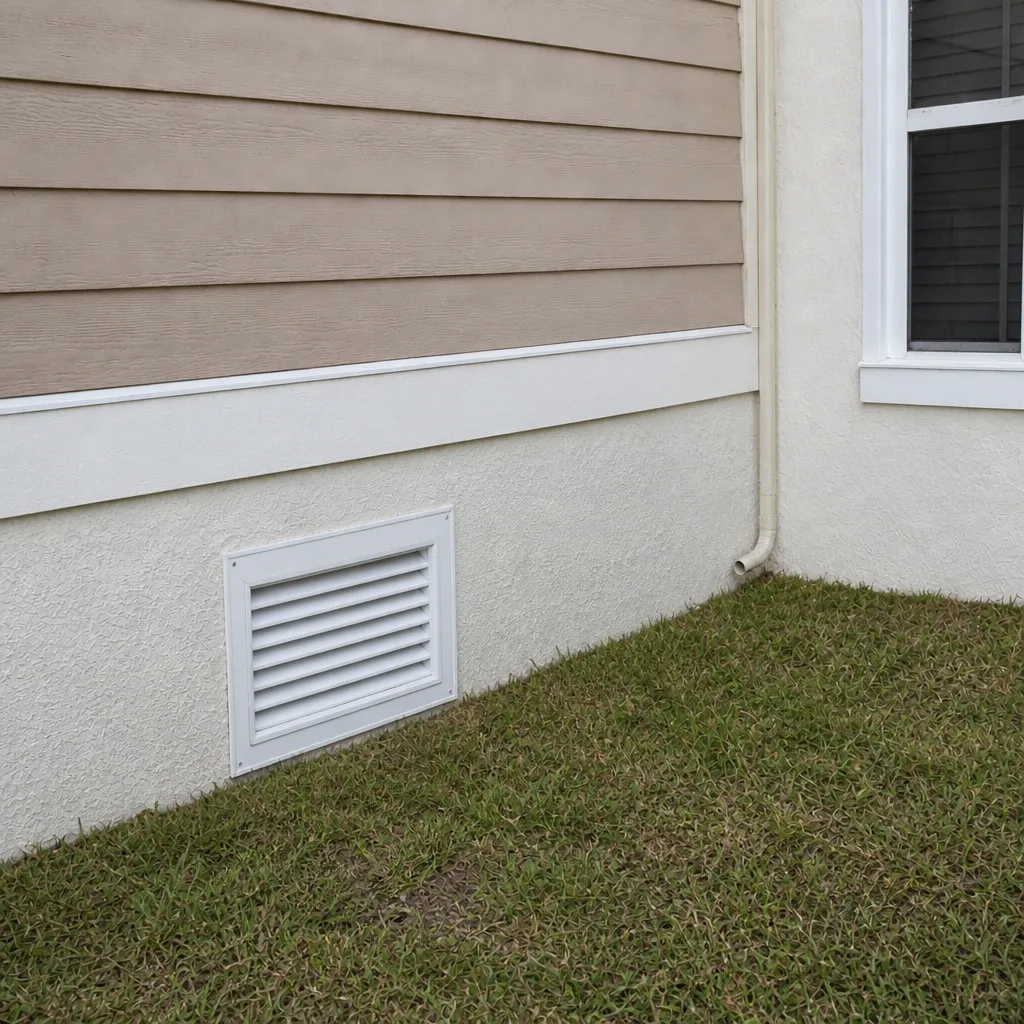
Whole-system duct and dryer vent check with before-and-after photos - you see exactly what came out of your vents
That "$99 whole-house special" is a bait ad - the real number appears once they are in your hallway, or the "clean" is a shop-vac at the register. We photograph the inside of your ducts before and after instead.
The Complete Dryer Vent Cleaning Guide for Deltona Homeowners
A dryer vent that would pass inspection in a dry climate will often fail in Deltona within about 18 months, and the reason isn’t lint volume. It’s how that lint behaves. High ambient humidity changes the physical character of dryer lint, causing it to bond to duct walls instead of sitting loose where a brush can sweep it away. Most national cleaning guides were written for dry-climate homes and never mention this, which is why so many Deltona homeowners clean their vents, see a little improvement, and assume the job is done. This guide covers what actually happens inside a Deltona dryer vent, how to test whether it’s truly clear, and when the vent needs repair rather than another cleaning.
Styles & brands we work with
- Whole-home duct cleaning
- Dryer vent cleaning
- Camera inspection
- Sanitizing & deodorizing
Quick Answer
A dryer vent needs cleaning when airflow drops, drying times lengthen, or the exterior flapper stops opening fully. In Deltona, the humid climate causes lint to clump and adhere to duct walls, so a visual check alone is unreliable. A proper cleaning means mechanical agitation with a rotary brush followed by vacuum extraction, and the only way to confirm the vent is actually clear is an airflow pressure test, not a look down the pipe.
Table of Contents
- Why Florida Humidity Changes Everything About Dryer Vent Lint
- How a Dryer Vent Is Supposed to Work
- Visual Inspection vs. Airflow Pressure Test: What’s the Difference?
- Vent Run Length and Elbow Limits in Florida Homes
- What Rotary Brush and Vacuum Equipment Removes That Rod Kits Don’t
- Cleaning vs. Repair: How to Tell Which You Need
- How Often Should You Clean a Dryer Vent in Deltona?
- What Does Dryer Vent Cleaning Cost in Deltona?
- Common Mistakes to Avoid
- When to Call a Professional
- Frequently Asked Questions
- The Bottom Line
Why Florida Humidity Changes Everything About Dryer Vent Lint
Lint is not uniform material. It’s a mix of textile fibers, paper dust, skin cells, and whatever else survives a laundering cycle. In a dry climate, that mix stays loose and powdery. It blows through the vent, settles in low spots and elbows, and a brush lifts it out fairly easily.
In Deltona, ambient humidity sits high through most of the year. The air inside a dryer vent is warm and moisture-rich during a cycle, then cools once the dryer stops. That cycle of warm-moist and cool-moist air leaves lint slightly damp for long stretches. Damp lint sticks. It mats against the duct wall and clings there rather than drifting loose. Over months, those mats compact into a felt-like layer that resists a brush’s sweep because the brush is sliding over the surface of the clump, not getting underneath it.
This is the single biggest gap between a Deltona home and the assumptions built into most dryer vent advice. Guides written for dry regions describe lint as a loose hazard that shakes free. Here it behaves more like a bonded deposit. That has three practical consequences:
- Cleaning intervals are shorter. Lint that adheres builds a restrictive layer faster than loose lint blocks a duct.
- Consumer brush kits underperform. A hand rod kit pushes against a bonded mat rather than breaking it up.
- Visual checks mislead. A vent can look moderately clear from the outside while a matted layer has already cut airflow in half.
Our technicians have worked on enough Deltona homes to treat humidity bonding as a default condition, not an edge case. If your vent has gone more than a year without professional service, the lint inside is likely adhered, not loose, and that changes how the job needs to be done.
How a Dryer Vent Is Supposed to Work
A dryer vent has one job: move hot, moist, lint-laden air from the dryer to the outdoors without letting lint accumulate in the duct or moisture back into the laundry room. That means clean, smooth, rigid ductwork with as few turns as possible and an unobstructed exit.
Here’s the path air should take:
- The dryer blower pushes air through the exhaust port at the back of the appliance.
- The transition duct connects the dryer to the wall. This should be short, rigid or semi-rigid metal, and as straight as the space allows.
- The vertical or horizontal run carries air behind the wall, under the floor, or up through the attic to the exterior.
- The exterior hood and flapper lets air escape while keeping rain, pests, and backdrafts out. The flapper should swing open freely during a cycle and close when the dryer stops.
Every component in that chain matters. A crushed transition duct chokes airflow right at the source. A flapper that sticks shut traps moisture. A long horizontal run with several elbows cuts velocity so lint settles more easily. In the humid Deltona climate, each of those issues compounds faster because the lint is already inclined to stay put.
Signs the system isn’t working as designed
- Clothes take more than one cycle to dry fully
- The laundry area feels humid or smells faintly of heated lint
- The exterior flapper doesn’t open noticeably during a cycle
- The dryer shuts off before the load finishes drying
- Lint accumulates around the interior vent opening or behind the dryer
One of those signs alone is worth a closer look. Two or more together usually means the vent is restricted, and a professional check is the fastest way to know whether cleaning or repair is the answer.
Visual Inspection vs. Airflow Pressure Test: What’s the Difference?
A visual inspection tells you what the vent looks like. An airflow pressure test tells you whether it’s actually moving air. Those are different questions, and only the second one answers the one that matters.
Visual inspection is what most homeowners get from a quick service call or a look down the exterior vent. Someone shines a light in from one end and reports what they see. The problem is that lint mats, elbows, and partial obstructions hide in the parts of the duct a flashlight can’t reach. A vent can look open from the outside while a bonded layer thirty feet in is cutting airflow significantly.
An airflow pressure test measures actual performance. A technician uses a manometer or airflow meter to read the static pressure the dryer is working against. A clear vent reads within a normal range. A restricted vent reads high because the blower is pushing against resistance. That number tells you whether the duct is clear in a way no photograph can.
What a proper pressure test tells you
- Whether airflow meets the dryer manufacturer’s spec. Every dryer is designed to work against a maximum back pressure. A reading above that spec means the vent is restricting performance.
- Whether a cleaning actually cleared the duct. A before-and-after reading is the only objective proof the work was done.
- Whether the restriction is in the duct or somewhere else. Low airflow with clean duct might point to a failing dryer blower or a crushed transition duct rather than a blocked run.
This is why we test airflow on both ends of a job rather than relying on a look-down-the-pipe judgment. The test result is what tells a Deltona homeowner whether the vent is clear or whether the real answer is repair. If you’ve had a vent cleaned somewhere and never got a measurement, you don’t actually know the state of your vent.
When to request a pressure test
- Before any cleaning, to establish a baseline.
- After cleaning, to confirm the duct is clear.
- Any time drying times lengthen but the vent looks clean visually.
- When buying an older Deltona home whose vent history is unknown.
Vent Run Length and Elbow Limits in Florida Homes
Every dryer manufacturer publishes a maximum vent run, measured in equivalent feet, where each 90-degree elbow counts as several feet of straight run. A 25-foot run with two elbows may exceed the allowed equivalent length even though the tape measure says the duct is only 25 feet long. Understanding equivalent length is the difference between a vent that dries a load in 45 minutes and one that takes twice as long.
Florida building codes follow the same underlying logic as the national model codes when it comes to dryer exhaust. The essentials:
- Rigid or semi-rigid metal duct only. Flexible vinyl or foil kits are prohibited because they trap lint and crush easily.
- Maximum equivalent length set by the dryer manufacturer. The dryer manual governs, and every elbow adds to the count.
- Limited elbows. Each 90-degree turn reduces the allowable run. A vent with three or four elbows can run out of allowance well before it runs out of physical length.
- Smooth interior walls. Screws that penetrate the duct interior trap lint and are not permitted in the run.
- Termination at the exterior. Vents must run from the dryer to the outside, never into an attic, garage, or crawl space.
Why older Deltona homes often exceed the limits
Deltona’s housing stock includes a great many homes built in the 1970s through 1990s, and those eras had their own common venting patterns. A dryer often sits in an interior laundry room or garage, forcing the vent to travel under the slab, up a wall, or through an attic before it exits. That takes runs well past the limits a modern dryer expects. Add elbows at each turn and the vent is often twice what the manufacturer allows.
When a vent already exceeds its equivalent length limit, cleaning helps but doesn’t fix the underlying design. In those cases the honest answer is usually to reroute or shorten the run, which is duct repair work, not just cleaning. Any company that only cleans will always say “clean it.” A specialist that can also repair the duct tells you when cleaning isn’t the answer. That distinction matters more in older Deltona homes than in newer construction.
What Rotary Brush and Vacuum Equipment Removes That Rod Kits Don’t
Consumer rod kits consist of flexible rods with a small brush head, meant to be fed into the vent by hand. They work reasonably well on loose lint in short, straight, dry-climate ducts. In a humid Deltona duct with bonded lint, they struggle for a specific reason: pushing a brush against a matted layer tends to press the lint against the wall rather than lift it, and the rod kit has no vacuum to pull loosened material out.
Professional cleaning works in two coordinated steps.
- Mechanical agitation. A rotary brush on a flexible whip, driven by a powered machine, spins at speed against the duct wall. The rotation breaks the bonded lint’s adhesion to the wall and knocks it loose, rather than smearing it.
- Vacuum extraction. A high-capacity vacuum, connected at the vent opening with a seal, pulls the loosened lint and debris out of the duct. The duct ends up genuinely clear, not merely redistributed.
The rod-kit problem is that step two is missing. Pushing lint further into the run or into an elbow can leave the restriction worse in one spot and better in another, which is why some homeowner attempts produce no real change in drying times.
The equipment we run
We use Rotobrush and Nikro duct cleaning systems, the same class of professional-grade equipment used in commercial and remediation work. These aren’t consumer vacuums with a brush attachment. They’re purpose-built machines that combine high-torque rotary action with industrial extraction. For air quality control, we also work with Abatement Technologies filtration and containment equipment, which matters when a duct is heavily loaded and you don’t want loosened debris drifting into the living space. We’re also authorized to work with Aprilaire and Honeywell indoor air quality products, so when a vent problem is really a whole-system airflow problem, we can address both sides.
The point isn’t the brand names for their own sake. The point is that humid-climate lint requires equipment with enough torque to break adhesion and enough suction to remove it. A consumer kit has neither, and no amount of effort with one will match what a rotary-vacuum system does in an hour. This is also why the dryer vent cleaning we do looks different from a coupon crew’s fifteen-minute visit. Proper cleaning takes the time the equipment needs to do the job.
Cleaning vs. Repair: How to Tell Which You Need
Not every restricted vent needs cleaning. Some need repair or replacement, and no amount of brushing will help. Telling the two apart starts with the assessment, not the cleaning tool.
Signs your vent needs cleaning
- Dryer runs through a full cycle and clothes are still damp
- Airflow from the exterior flapper is weak but present
- Lint visible at the interior opening or the exterior hood
- Vent hasn’t been professionally cleaned in over a year
Signs your vent needs repair instead
- Flexible foil or vinyl duct is installed. If the run is flexible, the duct itself is the problem. It should be replaced with rigid metal.
- Crushed or kinked sections. A crushed transition duct behind the dryer can cut airflow to a fraction of spec.
- Disconnected joints. A duct that’s come apart in an attic or between floors vents moisture into the structure and lint into the air.
- Screws or fasteners penetrating the interior. These catch lint and are a code problem, not just a cleaning problem.
- Excessive elbows or run length. If the design itself exceeds the dryer’s allowance, cleaning can’t fix the configuration.
- Damaged exterior hood or stuck flapper. Broken terminations trap moisture and can let pests in.
This is where a full-system air duct cleaning provider that also does repair has an advantage over cleaning-only companies. When our technicians find damaged ductwork during a dryer vent job, we can repair it, so you’re not left coordinating a second contractor to fix what the first one found. That isn’t a sales angle, it’s a practical one: a cleaning that doesn’t address a crushed duct is money spent on the wrong problem.
What a repair decision looks like in practice
- A pressure test shows the vent is restricted.
- The technician inspects the full run with a camera or by access point.
- If the vent is clean but the run is crushed, disconnected, or under flexible duct, the technician quotes repair or replacement.
- If the vent is merely loaded with adhered lint, a proper cleaning resolves it.
- A follow-up pressure test confirms airflow is within spec.
How Often Should You Clean a Dryer Vent in Deltona?
Most national guidance suggests dryer vent cleaning every one to two years. In Deltona’s humidity, that range is optimistic for many homes. A realistic starting point is once a year, with a shorter interval if your household runs a lot of laundry cycles, has a long vent run, or has pets that shed.
The factors that shorten the interval:
- High laundry volume. A household running several loads a day builds lint faster than one doing a few loads a week.
- Long vent runs. More duct means more surface area for humid lint to adhere to and more time to accumulate.
- Elbow-heavy runs. Every turn is a place where lint settles and bonds.
- Pets in the home. Pet hair is a major component of lint and adds to accumulation.
- Flexible duct. Corrugated interiors trap lint far faster than smooth rigid duct.
Instead of guessing from a calendar alone, watch the two objective signals: drying time and airflow at the exterior flapper. A load that used to dry in 45 minutes now taking an hour and a half is the clearest sign the vent has loaded. In our experience in Deltona, that’s usually the moment to schedule a cleaning rather than wait for the annual cycle to come around. If you’re not sure how often is right for your home, the Deltona Duct Cleaning team can assess your run and give you a realistic interval based on the actual configuration.
What Does Dryer Vent Cleaning Cost in Deltona?
Dryer vent cleaning in the Deltona area typically runs in the range of $100 to $250 for a straightforward vent, and $200 to $350 or higher when the run is long, elbow-heavy, or requires repair work in addition to cleaning. The final price depends on the vent’s length, condition, and whether repair is needed, and the number is set by the written estimate before any work starts.
Rather than quote a single teaser number, here’s how the cost breaks out by situation:
- Standard vent, short run, clean condition: basic cleaning, lower end of the range.
- Long run or multiple elbows: more time and equipment time, mid-range pricing.
- Bonded humid-climate lint requiring rotary agitation: the work takes longer than loose lint, upper-mid range.
- Repair or reroute work: quoted separately once the vent is assessed, above the cleaning range.
One flat price per system, agreed before work starts, is what you should expect. That single-price structure is the direct answer to the bait-and-switch reputation of this industry, where a coupon price becomes a much larger invoice once the technician is on site. Ask for the price before work starts, ask what the price covers, and ask whether you’ll get before-and-after photos of your own vent. A company confident in its equipment and its work answers all three without hesitation.
For a real estimate on your Deltona home, call (844) 980-4682. Estimates are free, and we answer 24/7. Fast dispatch from 7am to 7pm, Sunday through Friday.
Common Mistakes to Avoid
- Joining two short runs into one with a flex connector. Attaching a short run to a longer vent increases equivalent length and creates a new place for lint to settle. One continuous rigid run with the fewest possible elbows is the goal.
- Relying on a roof-mounted vent termination. A roof termination may comply with local code, but it means the run includes a vertical rise and often a horizontal stretch, both of which build lint faster. In Deltona’s humid air, a roofline termination needs checking even more often than a wall vent.
- Using flexible accordion duct to solve a tight fit. Semi-rigid or flexible vinyl is banned in many jurisdictions outright, and corrugated interiors trap lint in ways no cleaning can fully correct. Rigid metal is the only answer, even when it’s harder to fit.
- Assuming a clear exterior flapper means the whole vent is clear. The flapper is at the exit; the restriction is often thirty feet back. It takes a pressure reading to know the truth.
- Pushing a consumer rod kit when the duct is bonded with humid-climate lint. It tends to press the lint against the wall and redistribute it deeper, which can leave the vent as restricted as before but no longer visible.
- Skipping the cleaning after a repair. A repaired or rerouted vent still needs the residual lint and debris removed before it’s put back into service.
- Never checking the vertical riser or attic section. If the dryer sits below an attic run, that section is where lint settles most heavily, and it’s the part no one sees.
When to Call a Professional
Call a professional when drying times lengthen, when the exterior flapper stops opening fully, when you see lint collecting at the vent opening, or when the dryer shuts off before a load finishes. Also call if your vent has never been professionally cleaned, if you’ve just bought an older Deltona home and don’t know the vent’s history, or if you’ve attempted a cleaning with a rod kit and the drying times didn’t improve. Those last two usually mean the duct needs rotary-vacuum extraction, or that the vent itself needs repair rather than another cleaning.
Deltona Duct Cleaning offers free estimates in Deltona. Call (844) 980-4682. We answer 24/7, with fast dispatch from 7am to 7pm, Sunday through Friday. Our technicians have up to 8 years of experience and work with professional-grade Rotobrush and Nikro systems, so the answer you get is based on the vent’s actual condition, not a guess.
Frequently Asked Questions
Typical dryer vent cleaning in Deltona runs about $100 to $250 for a standard vent, and higher if the run is long, elbow-heavy, or needs repair. The written estimate sets the final price, and it’s agreed before any work starts so there’s no surprise on the invoice. Call (844) 980-4682 for an exact quote. Estimates are free.
A very low quote usually means a quick look-down-the-pipe job with no rotary agitation and no vacuum extraction, which does little for bonded humid-climate lint. The lower price reflects less equipment, less time, and less of the duct actually cleaned. Ask what the quote covers and whether a pressure test is included. Call (844) 980-4682 to discuss what a full cleaning involves for your home.
Ask for before-and-after photos of your own vent and an after-cleaning airflow reading. Photos of your duct, not generic ones from a stock library, plus a pressure test result showing the vent is now within spec, are the only objective proof. Call (844) 980-4682 to schedule a cleaning with a verified result.
Plan on about once a year in Deltona, and more often if you run a lot of laundry, have pets, or have a long or elbow-heavy vent run. The humid climate causes lint to bond to duct walls faster than in dry regions, so the national one-to-two-year guidance is optimistic for many local homes. Call (844) 980-4682 for an assessment based on your specific vent.
Consumer rod kits are fine for very light, loose lint in a short, straight run, but they struggle with the bonded lint typical of Deltona homes and they don’t extract what they loosen. For any vent that’s more than a year old or that’s shown a drop in airflow, professional rotary-vacuum equipment is the reliable option. Call (844) 980-4682 if you’d rather have it done right the first time.
A vent that stays restricted after cleaning usually has a design or damage problem, such as flexible duct, a crushed section, disconnected joints, or a run that exceeds the dryer’s allowance. In that case, repair or replacement is the answer rather than another cleaning. Our technicians can assess and quote the repair, since we handle duct repair alongside cleaning. Call (844) 980-4682 to book an inspection.
The Bottom Line
Dryer vent cleaning in Deltona is not the same job it is in a dry climate. Humid air causes lint to bond to duct walls, which shortens cleaning intervals, defeats consumer rod kits, and makes visual inspection unreliable. The right approach is rotary agitation plus vacuum extraction, a before-and-after airflow pressure test to prove the vent is clear, and an honest assessment of whether your vent’s run length and duct type need repair rather than another cleaning. We serve homeowners across Deltona and the surrounding area with the same professional-grade equipment used in commercial and remediation work. If you’re unsure where your vent stands, a free estimate is the fastest way to find out. Call (844) 980-4682. We answer 24/7, with fast dispatch from 7am to 7pm, Sunday through Friday.
Written by the team at Deltona Duct Cleaning.
See the difference
 Before
 After
 Before
 After
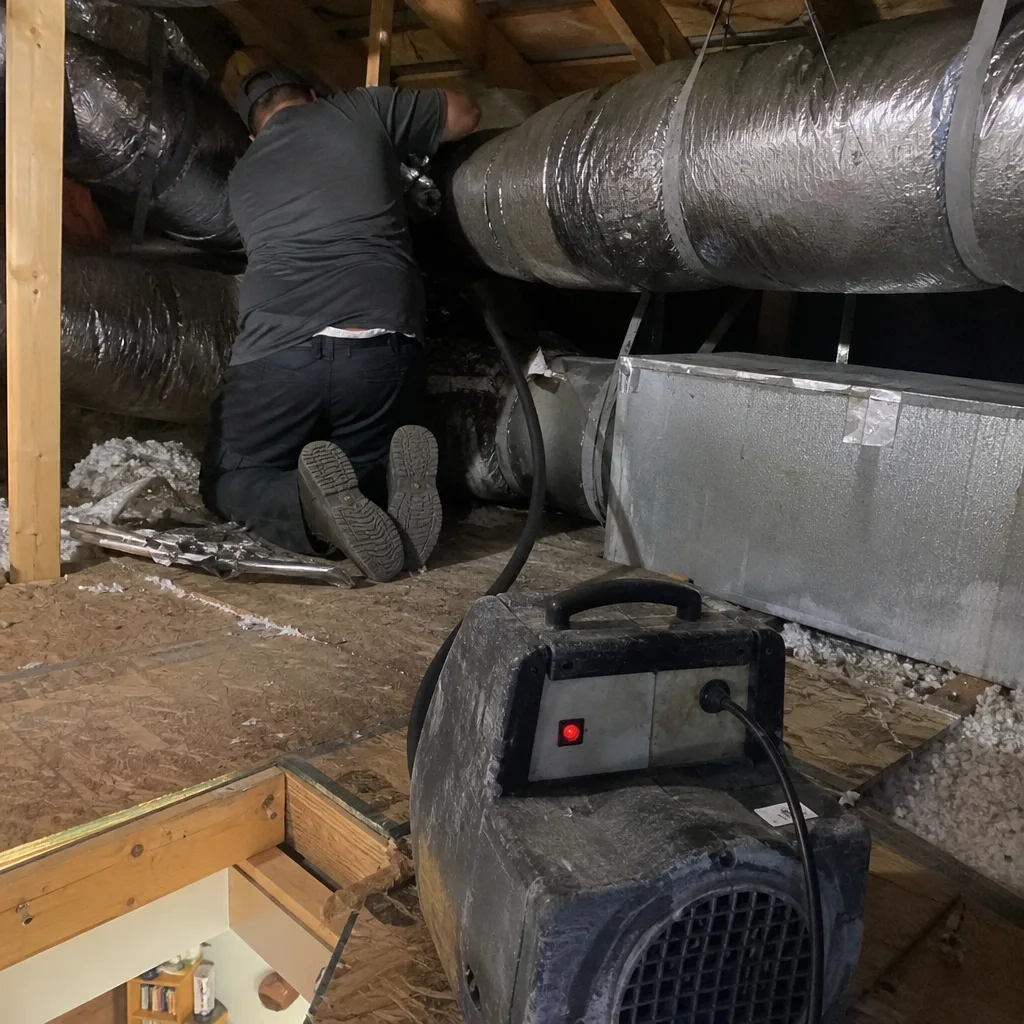 Before
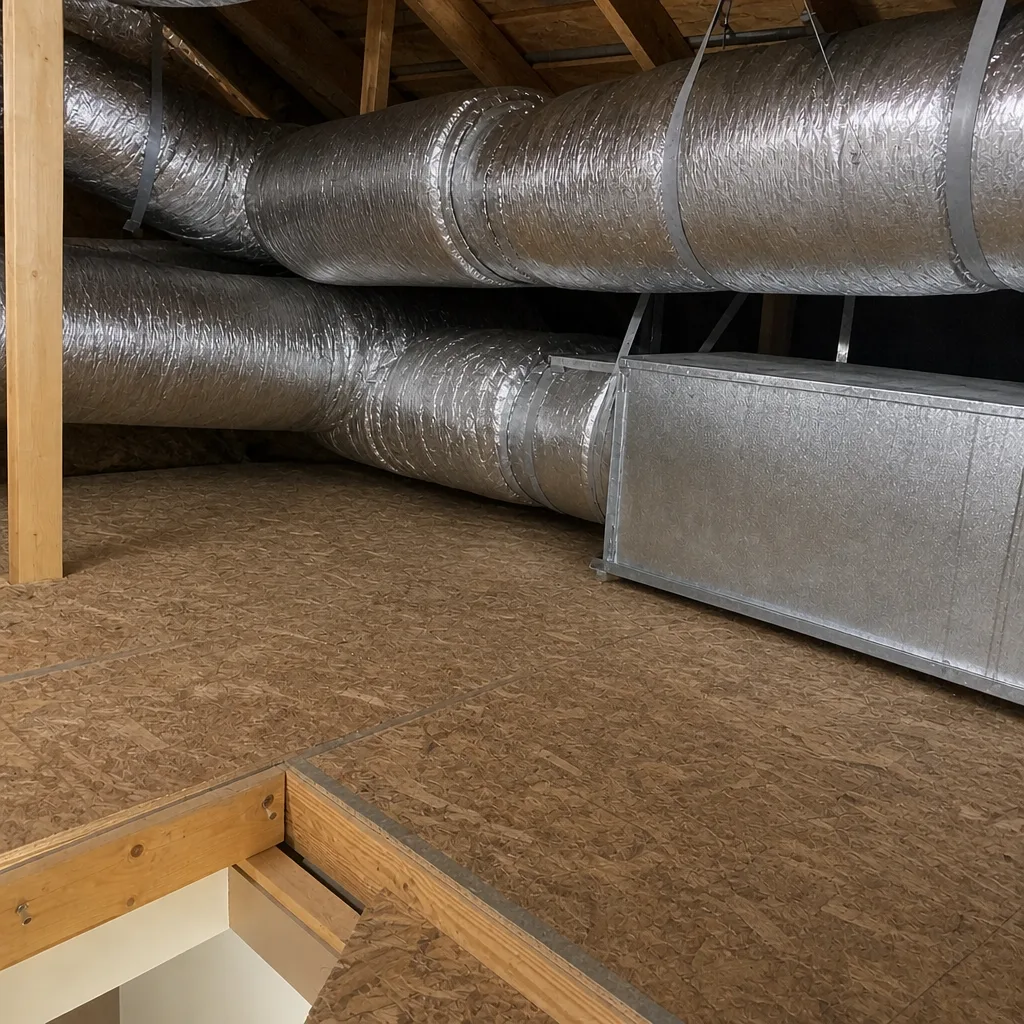 After